Apartment living · Field guide
Home Office in a Small Apartment: How to Organize a Desk Corner
Turn a desk corner into a working home office: a monitor riser with a drawer, a cable box, wall-mounted file storage and a rolling cart that hides at night.
Updated September 2026
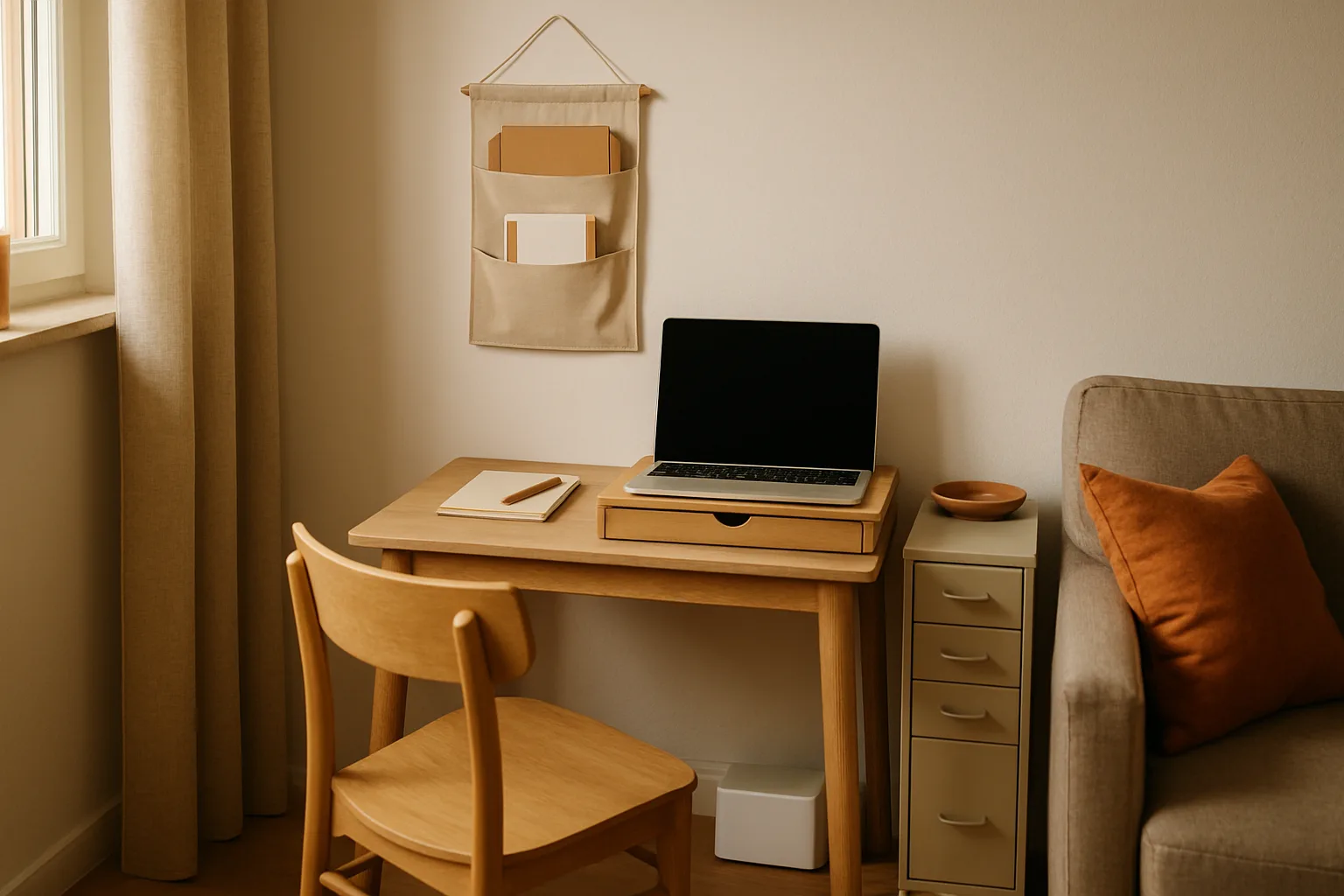
Quick answer: Lift the monitor to free the desk surface, put every cable in one box, move paper to the wall, and keep supplies in a rolling cart that slides under the desk at the end of the day. A small home office works when the desk is empty at 6 pm.
Top picks at a glance
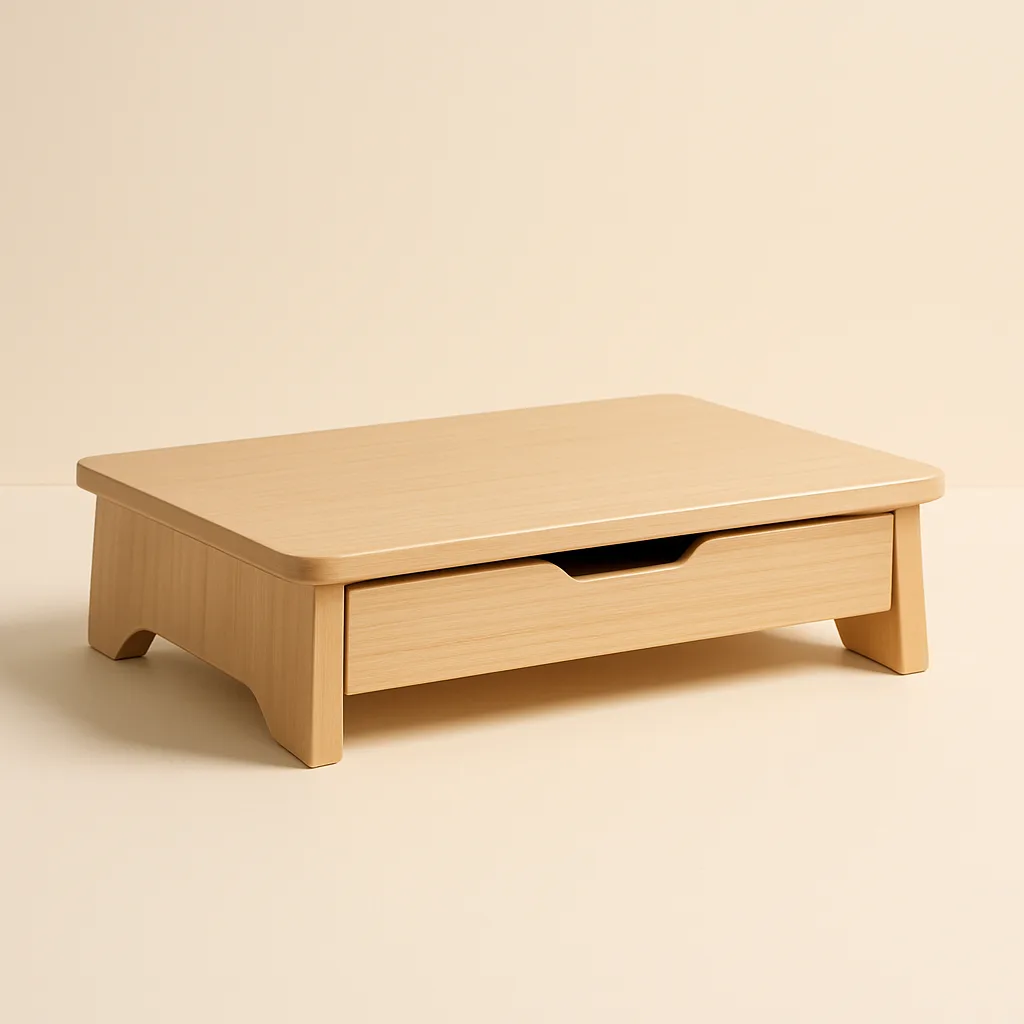
Monitor riser with drawer
- Pros: Raises the screen to eye level and gives you a drawer for pens, chargers and the notebook, so the desk surface stays clear.
- Con: Check the riser depth against your desk; a 10-inch-deep riser on a 20-inch desk leaves little room for a keyboard.
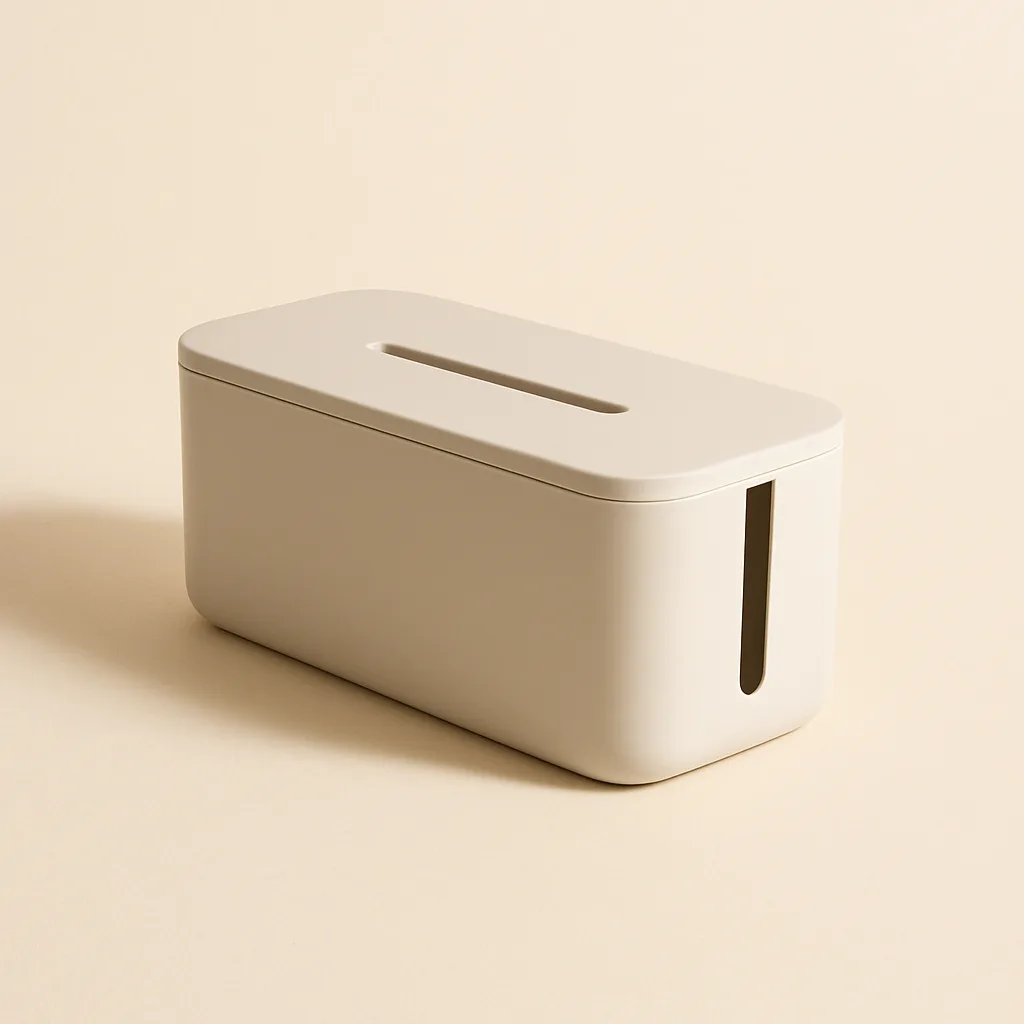
Cable management box
- Pros: Hides the power strip and the charger bricks in one box with slots, so the tangle under the desk disappears and dust stops collecting.
- Con: Choose the size by the length of your power strip; a box that is too small will not close.
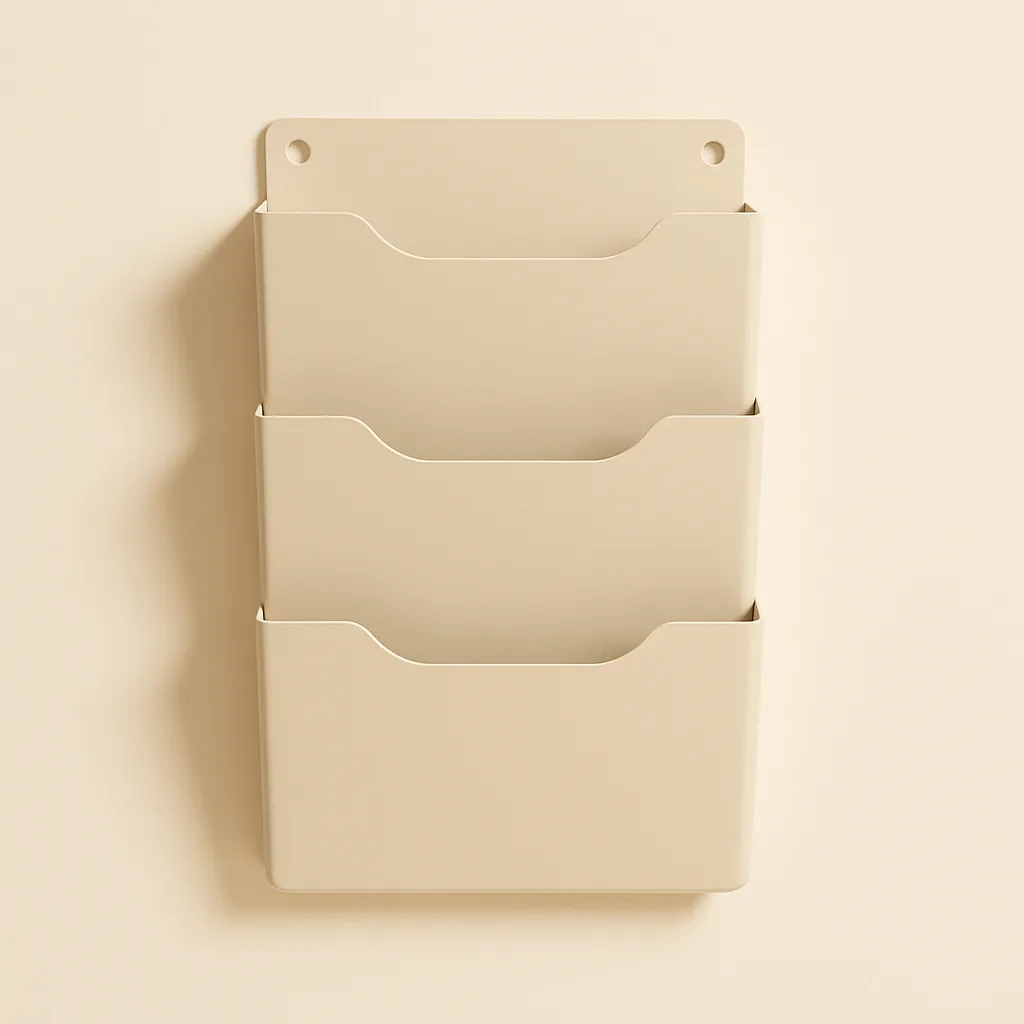
Wall-mounted file organizer
- Pros: Moves paper off the desk and into labeled pockets at eye level: to-do, to-file, to-shred.
- Con: Needs two screws or heavy-duty adhesive strips; on rented walls, use a freestanding desktop version instead.
Clear the surface, then keep it clear
A desk in a living room is judged by how it looks at night, so the goal is a surface that empties in two minutes. The riser makes that possible: monitor on top, keyboard and mouse slide underneath, the daily supplies live in its drawer. Anything that does not fit the drawer goes to the cart or the wall.
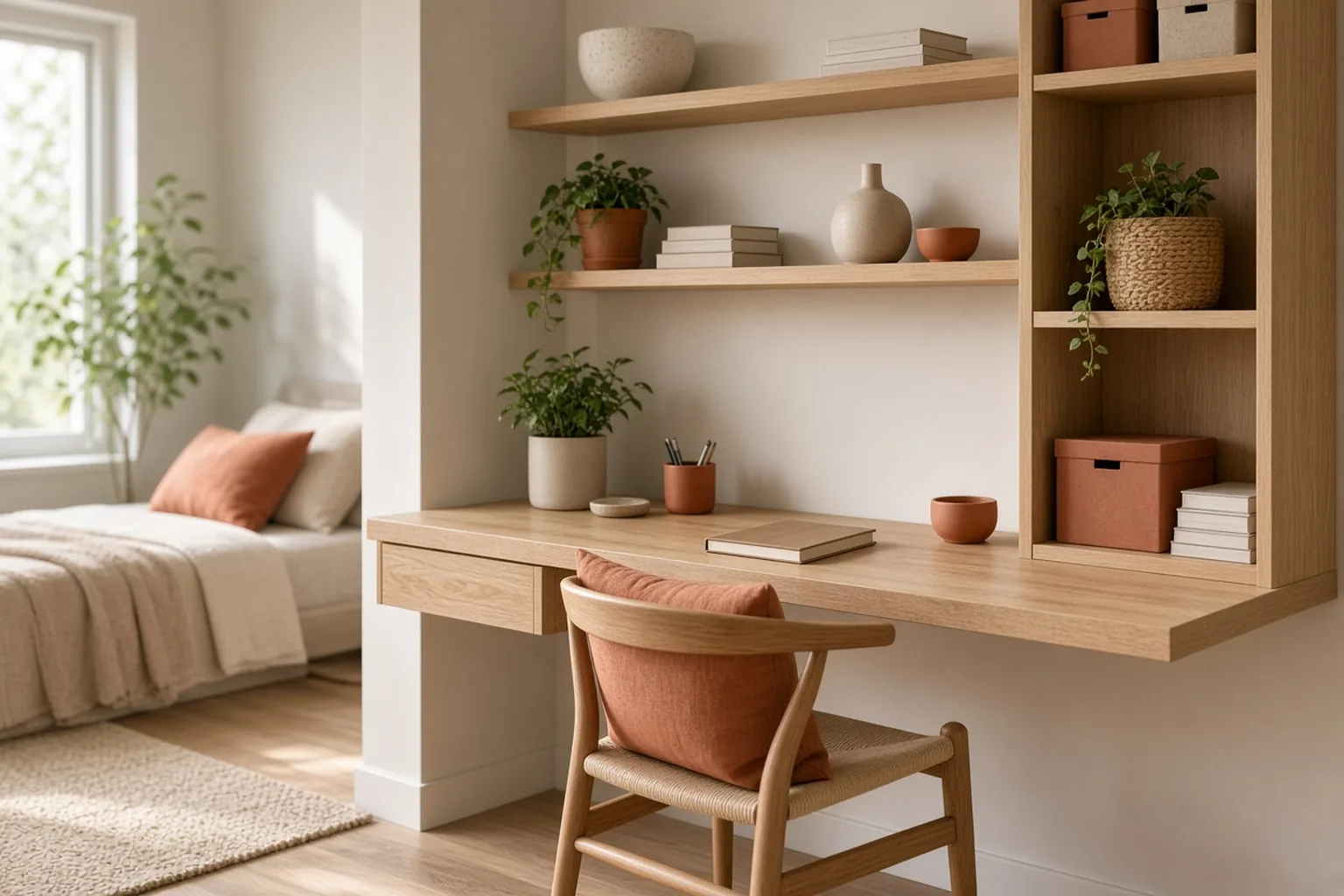
One box for every cable
Cables are what make a corner look like an office instead of a home. Route the power strip, the laptop brick and the phone charger into a cable box on the floor, run one cable up the back leg of the desk with clips, and label each cable at the plug. It takes twenty minutes once and never again.
Paper goes on the wall
A wall file organizer with three pockets holds everything that is in process; the rest goes to a single archive box in the closet. If you rent and cannot drill, a desktop file sorter at the back edge of the desk does the same job in less space than a pile.
The cart that disappears
A slim rolling cart with drawers holds the printer paper, the headphones, the notebooks and the things you use weekly. During the day it sits beside the desk; at night it rolls under it or into the closet, and the corner is a living room again.
Our take
Riser, cable box, wall file, cart: it is the same four-piece system every time, because it solves the four things that spread: screens, cables, paper and supplies. Buy them in that order and stop when the desk is clear.
FAQ
How do I hide a desk in a small living room?
Keep the surface empty at the end of the day, put the supplies in a rolling cart that tucks under the desk, and choose a desk in the same wood tone as the rest of the furniture so it reads as a console table.
What is the best way to organize cables under a desk?
A cable box for the power strip and bricks, adhesive clips along the desk leg for the cables that go up, and a label at each plug. Velcro ties for the excess length.
Do I need a monitor riser if I use a laptop?
Yes for posture and for storage: a riser with a drawer lifts the screen toward eye level and stores the small things that otherwise cover the desk. Pair it with an external keyboard.
Keep reading
Related guides
Apartment living
Best Storage Bins and Bin Systems for Small Homes
A practical guide to choosing storage bins and bin systems for small homes, with advice on size, access, stacking, and flexibility.
Apartment living
Best Storage Ottomans for Studio Apartments
A practical guide to choosing storage ottomans for studio apartments, with advice on size, access, materials, comfort, and layout.
Apartment living
Entryway Organization Ideas for Small Spaces
Create a useful small entryway with a landing zone, vertical hooks, shoe control, mail sorting, and renter-friendly storage.