Closet · New Year guide
January Declutter Checklist: 15 Things to Let Go Of
Use this January declutter checklist to clear 15 everyday items from a small home, plus three simple tools that make letting go and staying tidy easier.
Updated November 2026
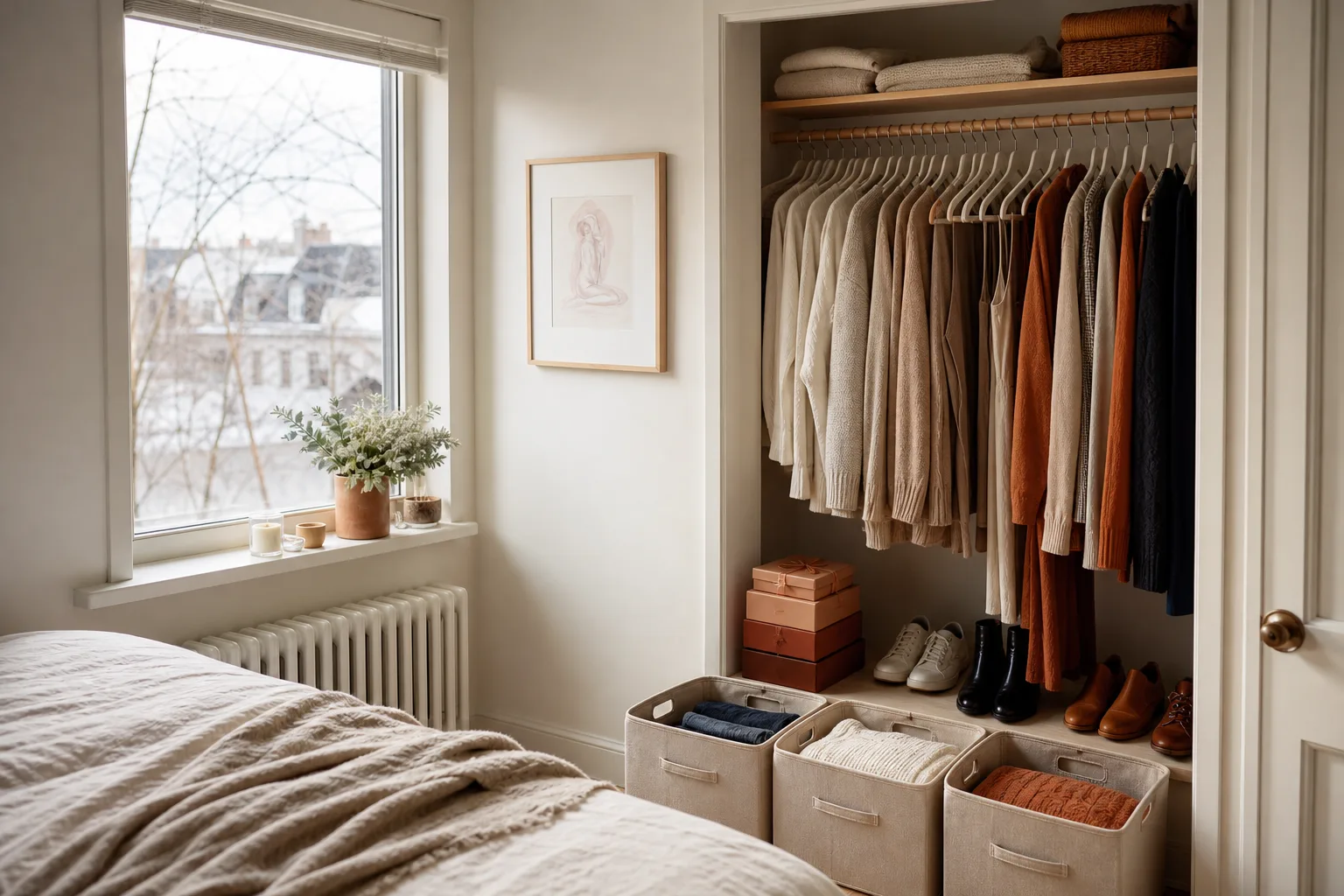
Quick answer: A good January declutter checklist covers five areas in a small home: the closet, kitchen, bathroom, paper and tech, and holiday leftovers. Start with clothes you haven't worn in a year, lids with no container, expired products, tangled cables and leftover gift packaging. Do one category at a time in short sessions, and don't buy storage until the purge is done.
Top picks at a glance
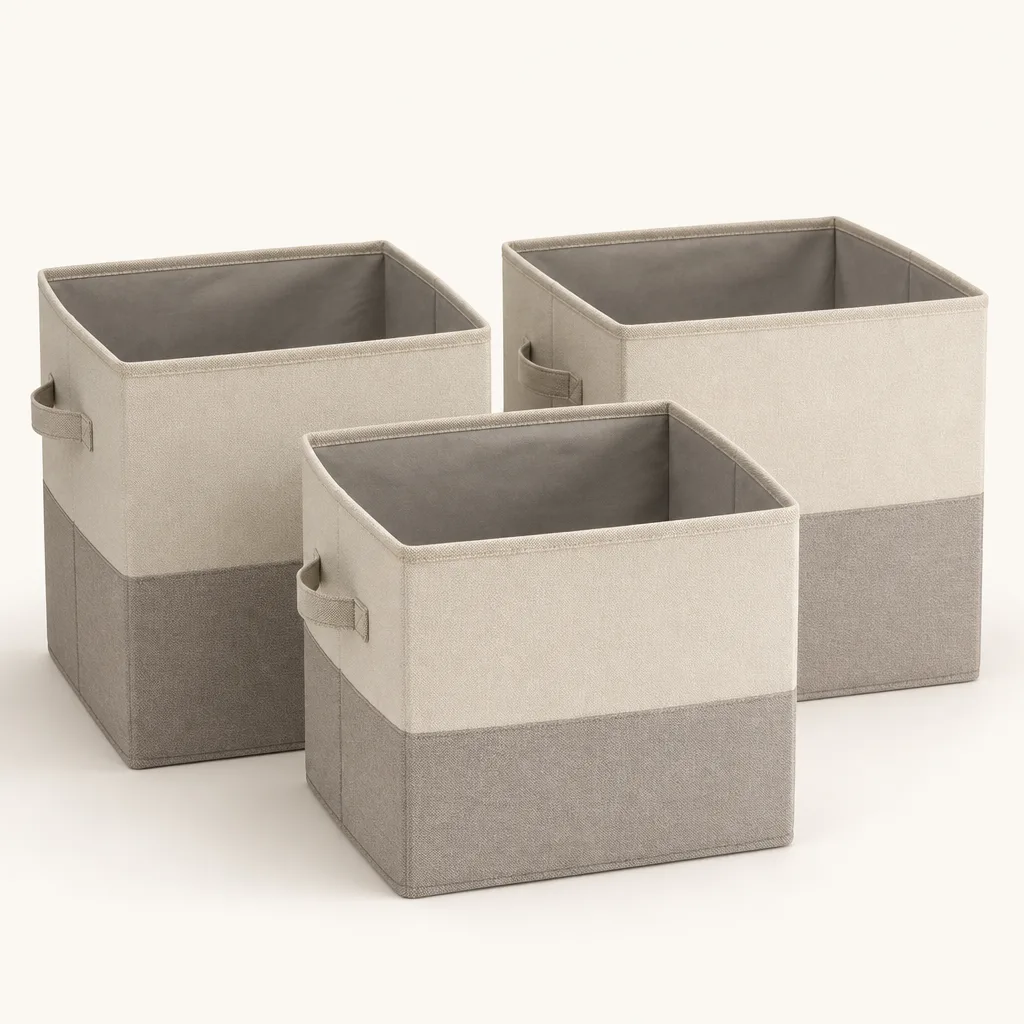
Collapsible fabric sorting bins (set of 3)
- Pros: They give you separate keep, donate and recycle piles during the purge, then fold flat so they don't take up space in a small closet.
- Con: Soft-sided bins lose their shape when overfilled with heavy items like books or shoes.
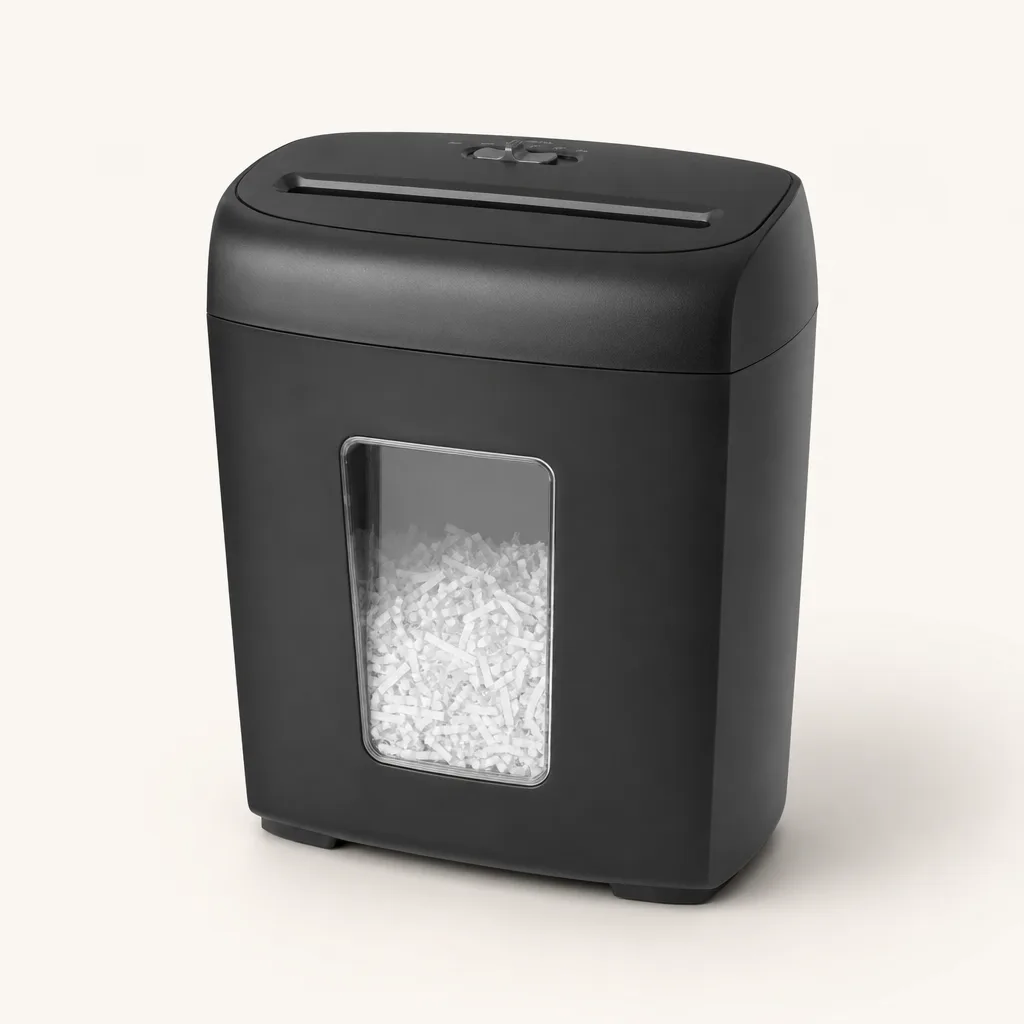
Compact cross-cut paper shredder
- Pros: It gets rid of old receipts, statements and mail with personal details in one sitting, so you don't keep a paper pile around for months.
- Con: Small home models need cool-down breaks after a few minutes, so a big paper backlog takes several short sessions.
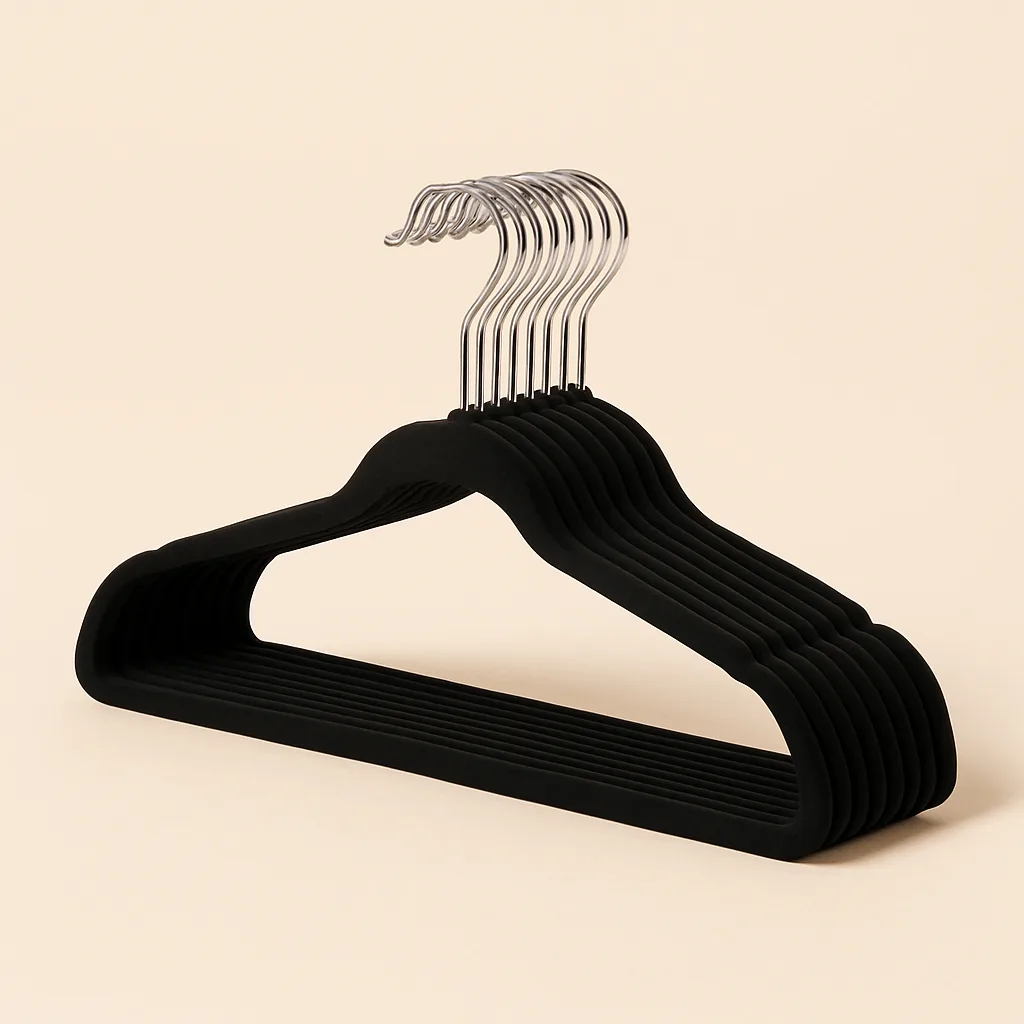
Slim velvet non-slip hangers
- Pros: Swapping mismatched wire and plastic hangers for slim velvet ones frees up rod space and stops clothes sliding off.
- Con: They're too thin for heavy winter coats, which can make the hooks bend or the hangers sag over time.
Quick comparison
| Option | Why it works in a small home | Before you buy |
|---|---|---|
| Collapsible fabric sorting bins (set of 3) | They give you separate keep, donate and recycle piles during the purge, then fold flat so they don't take up… | Soft-sided bins lose their shape when overfilled with heavy items like books or shoes. |
| Compact cross-cut paper shredder | It gets rid of old receipts, statements and mail with personal details in one sitting, so you don't keep a… | Small home models need cool-down breaks after a few minutes, so a big paper backlog takes several short… |
| Slim velvet non-slip hangers | Swapping mismatched wire and plastic hangers for slim velvet ones frees up rod space and stops clothes… | They're too thin for heavy winter coats, which can make the hooks bend or the hangers sag over time. |
Start in the closet: items 1 to 5
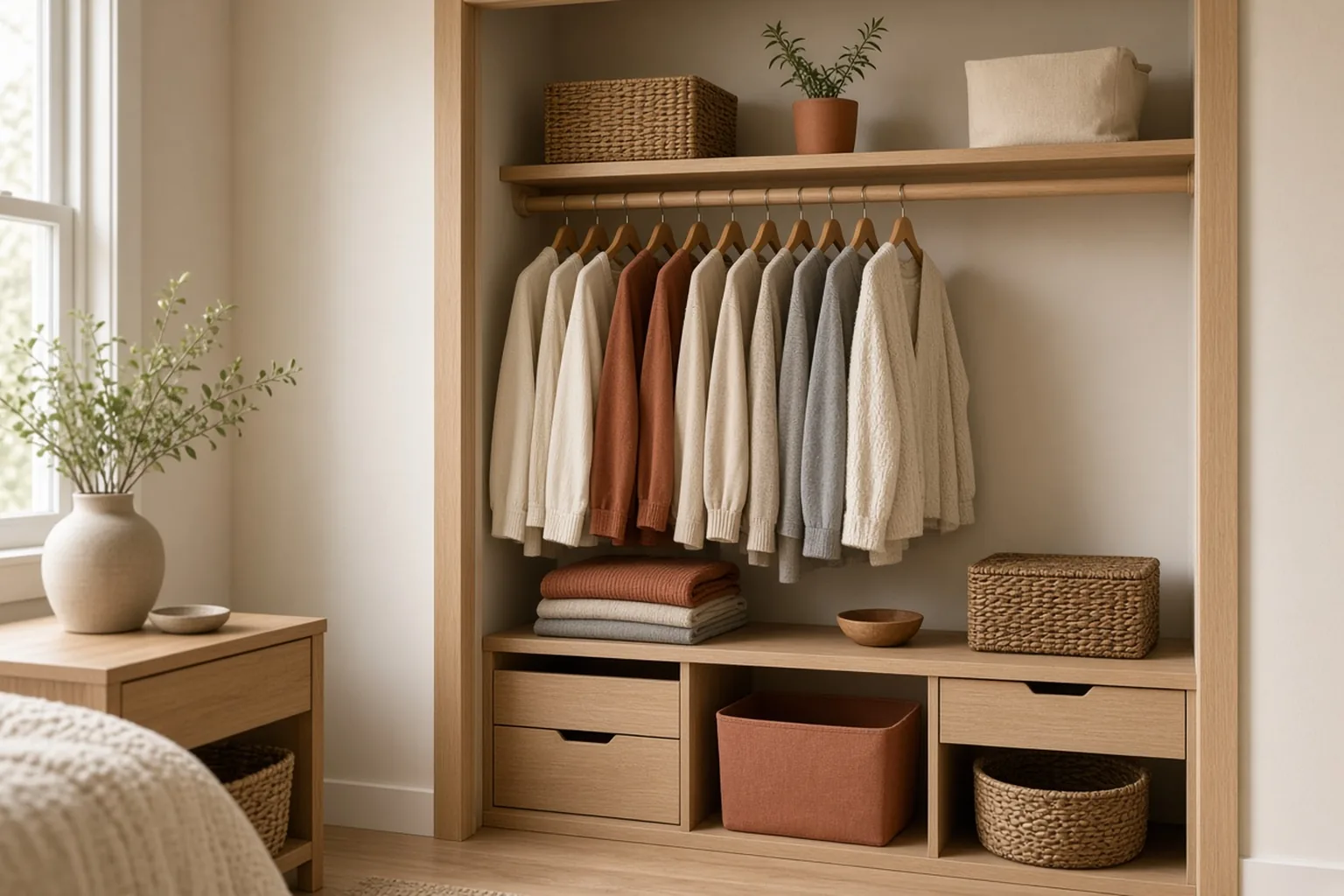
Closets fill up fastest in a small home, so start there with a donation bag at your feet. 1. Clothes you haven't worn through a full year of seasons, including the sweater you keep saving for a special occasion. 2. Anything that needs a repair you've put off for months. If the fix never happened, let it go. 3. Duplicate basics, like a fifth black T-shirt or a drawer of worn-out socks. 4. Wire hangers from the dry cleaner, which crowd the rod and stretch out shoulders. 5. Shoes that hurt, no matter how good they look. Pull everything onto the bed one category at a time so you see how much you really own. Before you buy anything new for the space you free up, browse our closet organization guides.
Kitchen and bathroom: items 6 to 10
Clutter is hard on small kitchens and bathrooms because every inch of counter matters. 6. Food storage containers with no matching lid. Pair them up on the counter and recycle the leftovers. 7. Expired spices, pantry items and condiments hiding at the back of the fridge door. 8. Single-use gadgets you use once a year, like a specialty slicer, when a knife does the same job. 9. Expired medicine and old sunscreen, which lose strength over time. Use a pharmacy or community take-back program to dispose of them safely instead of the trash. 10. Half-used beauty and hair products you tried and didn't like. Keep one of each daily item and a small backup, not a cabinet full of maybes. Wipe the shelves before you put anything back, so you start the year with clean surfaces and a clear view of what you own.
Paper, tech and holiday leftovers: items 11 to 15
The last five hide in drawers and corners. 11. Old receipts, manuals and mail you no longer need. Most manuals are online, and anything with personal details should be shredded. 12. Tangled cables and chargers for devices you no longer own. Test them and keep only the ones that fit something you still use. 13. Holiday packaging, gift boxes and shipping bags saved just in case. Keep a small stack at most. 14. Decorations that broke or stayed in the box all season. They're easy to judge while the holidays are fresh in your mind. 15. Gifts you appreciate but won't use. Donating them is a kind way to pass them on. Leave this category for last, because paper decisions are slow and by then you'll have momentum. Set a timer for twenty minutes per drawer to keep the job manageable.
Three tools that help the clear-out stick
You don't need to buy much to declutter, and buying storage first usually just hides the problem. Still, three simple tools make the process smoother. A set of collapsible sorting bins gives you clear keep, donate and recycle zones without taking over a tiny floor, then folds flat when you're done. A compact cross-cut paper shredder handles the receipts and statements from item 11 in one sitting, so they don't sit in a pile for months. Matching slim velvet hangers replace mixed plastic and wire ones, save rod space and keep clothes from slipping. Buy hangers only after the closet purge, so you know exactly how many you need. Measure your space before you order anything and check product dimensions closely. In a small apartment, a bin that's a few inches too wide won't fit.
Our take
A January declutter checklist works best when it's short, specific and done in small sessions instead of one exhausting weekend. In a small home, clearing out fifteen categories can free up a surprising amount of shelf and closet space, and you'll notice it every time you open a drawer. Start with the closet, where you see results fast, then move on to the kitchen, bathroom and paper. Get donations out of your home within a week so they don't slowly creep back in. Hold off on buying organizers until the purge is done, because you may need fewer than you think. To keep the momentum through winter, try a one-in, one-out rule for clothes and kitchen tools. For more ways to make the most of tight storage, visit our closet hub.
FAQ
How long does a January declutter take in a small apartment?
Most people can get through all fifteen categories in about a week of 20- to 30-minute sessions. Shorter sessions make it easier to keep going than one marathon day.
Should I buy storage containers before decluttering?
No. Declutter first, then measure what's left, so you only buy the organizers you actually need and they fit your space.
What should I do with items I can't donate?
Recycle what your local program accepts, shred papers with personal information, and take expired medicine or old electronics to official take-back or e-waste drop-off points.
Keep reading
Related guides
Closet
Christmas Gift Ideas for Home Organization (2026 Guide)
Practical Christmas gift ideas for home organization in small homes: drawer dividers, over-door racks and label makers that actually get used.
Closet
Best Closet Organizer Systems for Small Bedrooms
Compare closet organizer systems for small bedrooms and learn which features, measurements, and layouts make the most sense.
Closet
Best Closet Organizers for Renters: Flexible Systems That Come Down Cleanly
Compare renter-friendly closet organizers, including freestanding racks, tension rods, shelf dividers, and over-the-door storage.