Velvet Hangers vs Plastic Hangers: Which Saves More Space?
Updated September 2026
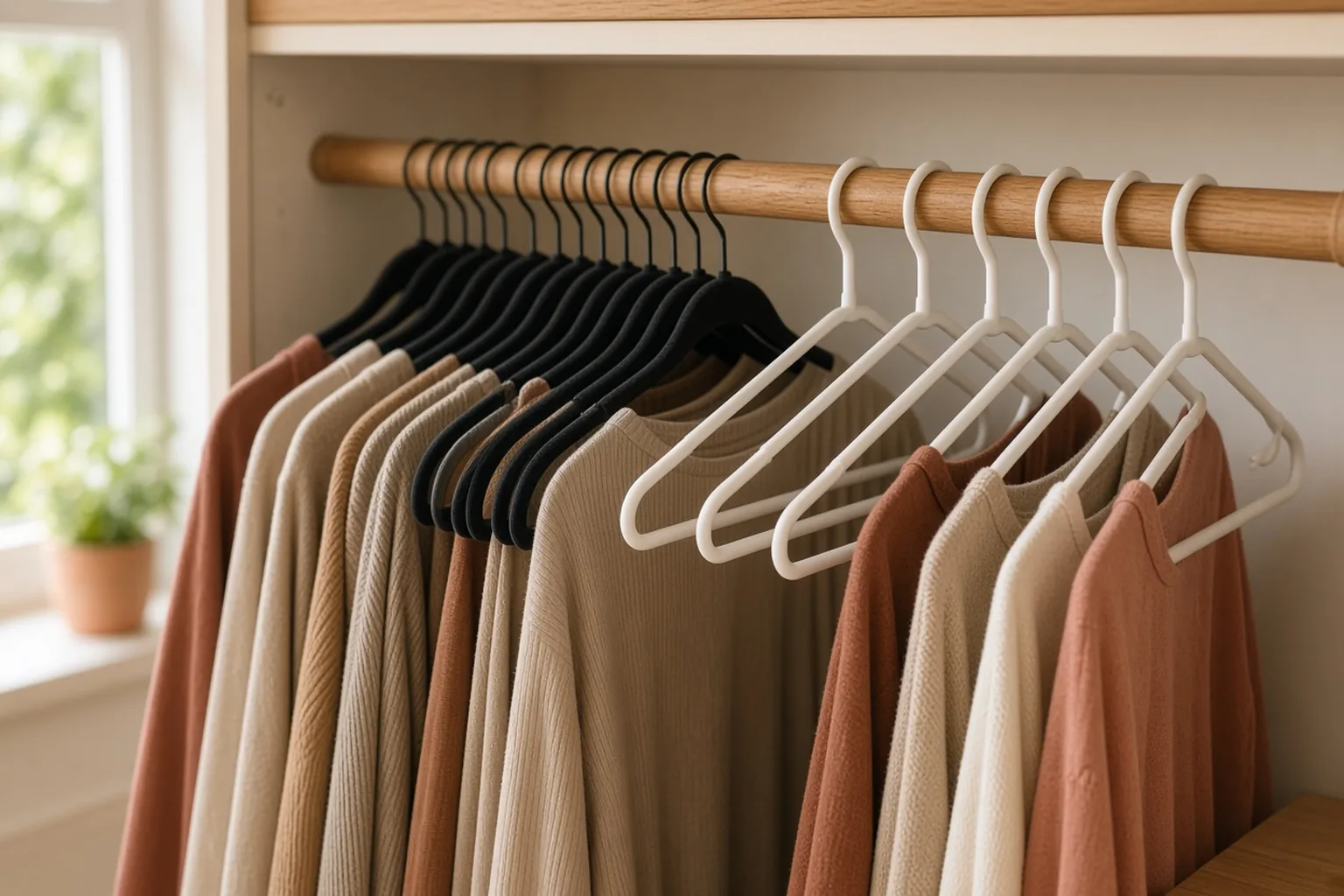
Quick answer: A crowded closet is often less about owning too many clothes than using hangers that take more room than necessary. Velvet and plastic hangers are both common choices, but they solve slightly different problems.
Top picks at a glance
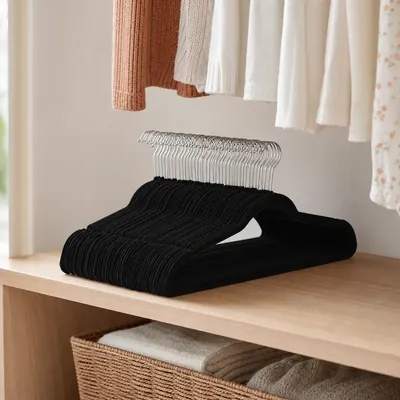
Slim Velvet Hangers
- Pros: Velvet hangers are a strong choice when your main goal is fitting more everyday clothing on one rail.
- Pros: Identical hangers make the rod look calm and fit more: the slim profile saves about a third of the rod.
- Con: Thin hangers can stretch the shoulders of heavy knits; fold those instead.
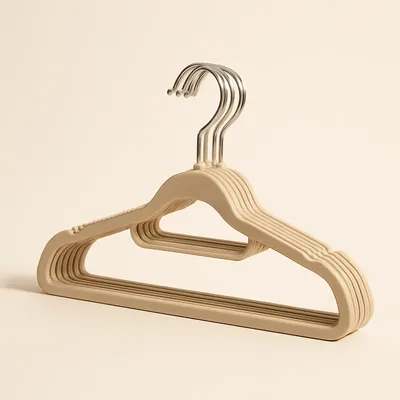
Standard plastic hangers
- Pros: Plastic hangers remain practical because they come in many shapes, are simple to wipe down, and can handle a broad mix of clothing.
- Pros: Identical hangers make the rod look calm and fit more: the slim profile saves about a third of the rod.
- Con: Thin hangers can stretch the shoulders of heavy knits; fold those instead.
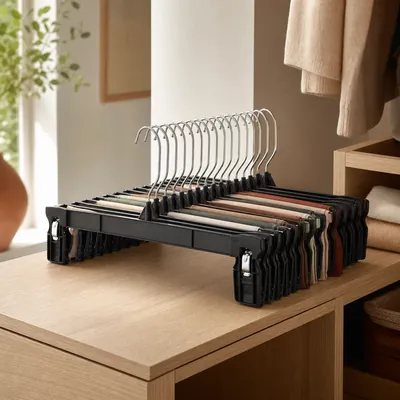
Plastic space-saving hangers with clips or bars
- Pros: Some plastic hangers add trouser bars, skirt clips, or multiple hanging levels.
- Pros: Identical hangers make the rod look calm and fit more: the slim profile saves about a third of the rod.
- Con: Thin hangers can stretch the shoulders of heavy knits; fold those instead.
Quick comparison
| Option | Best for | Before buying |
|---|---|---|
| Slim Velvet Hangers | Best overall | Check fit and load rating |
| Standard plastic hangers | Best for flexibility | Check fit and load rating |
| Plastic space-saving hangers with clips or bars | Best for limited space | Check fit and load rating |
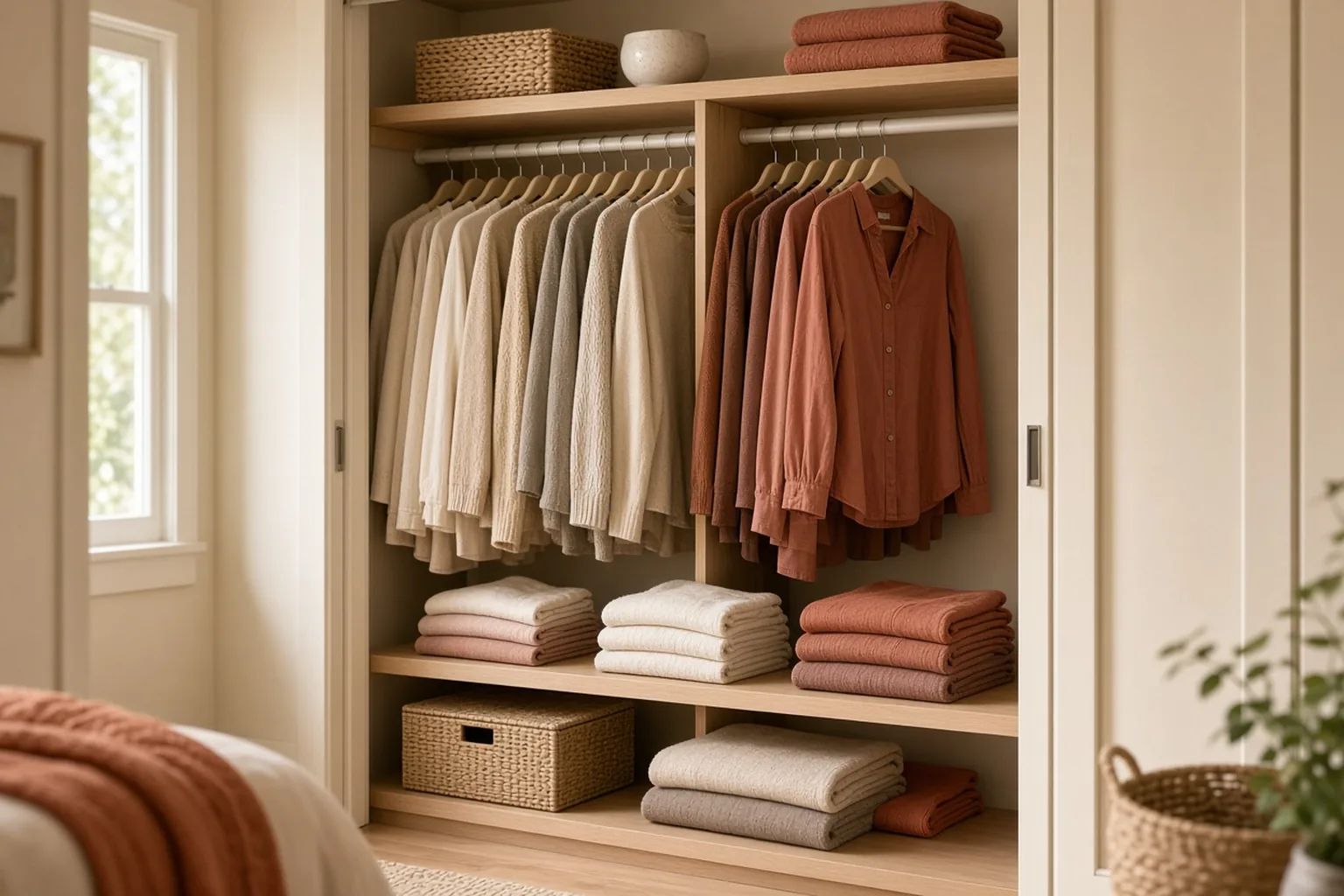
What actually matters when choosing hangers
- Overall thickness. A narrow hanger can create more usable rail space, but the stated width is only part of the story. Check the shoulder shape, hook, and any added bars or clips, since bulky details can cancel out a slim body.
- Grip and garment support. Textured surfaces can help dresses, camisoles, and wide-neck tops stay put. Smooth plastic may be better for quick removal, but lightweight or slippery garments may need careful shaping or additional support.
- Shape and load capacity. A hanger should support the garment without stretching shoulders or bending under heavier items. Look for a form that matches your clothing rather than choosing solely by material.
- Closet routine and maintenance. Consider how often you rotate clothes, whether you need clips or bars, and how easily the hanger can be wiped clean. A system that fits your routine is more useful than a theoretically space-saving one.
Our take
For most small closets, start by measuring the rail and sorting the clothes you actually hang. If the problem is a lack of room for everyday tops and dresses, slim velvet hangers are usually the simplest first experiment because they combine a narrow profile with useful grip. If you own heavier pieces, need easy cleaning, or prefer moving garments quickly, choose sturdy plastic hangers for those categories instead. There is no need to make every hanger identical: use slim velvet styles for light clothing, supportive plastic forms for structured items, and clip hangers only where they solve a specific storage problem. If you buy just one thing, test a small group first and see whether it improves both capacity and your daily routine.
FAQ
What should I measure before buying?
Measure the usable width, depth, height, clearance, and the load the organizer must carry before ordering.
Which option is best for a small space?
Choose the product that solves the main bottleneck while leaving doors, walkways, and everyday access clear.
How do I avoid a return?
Check assembled dimensions, installation requirements, weight limits, and the retailer return policy before buying.
Keep reading
Related guides
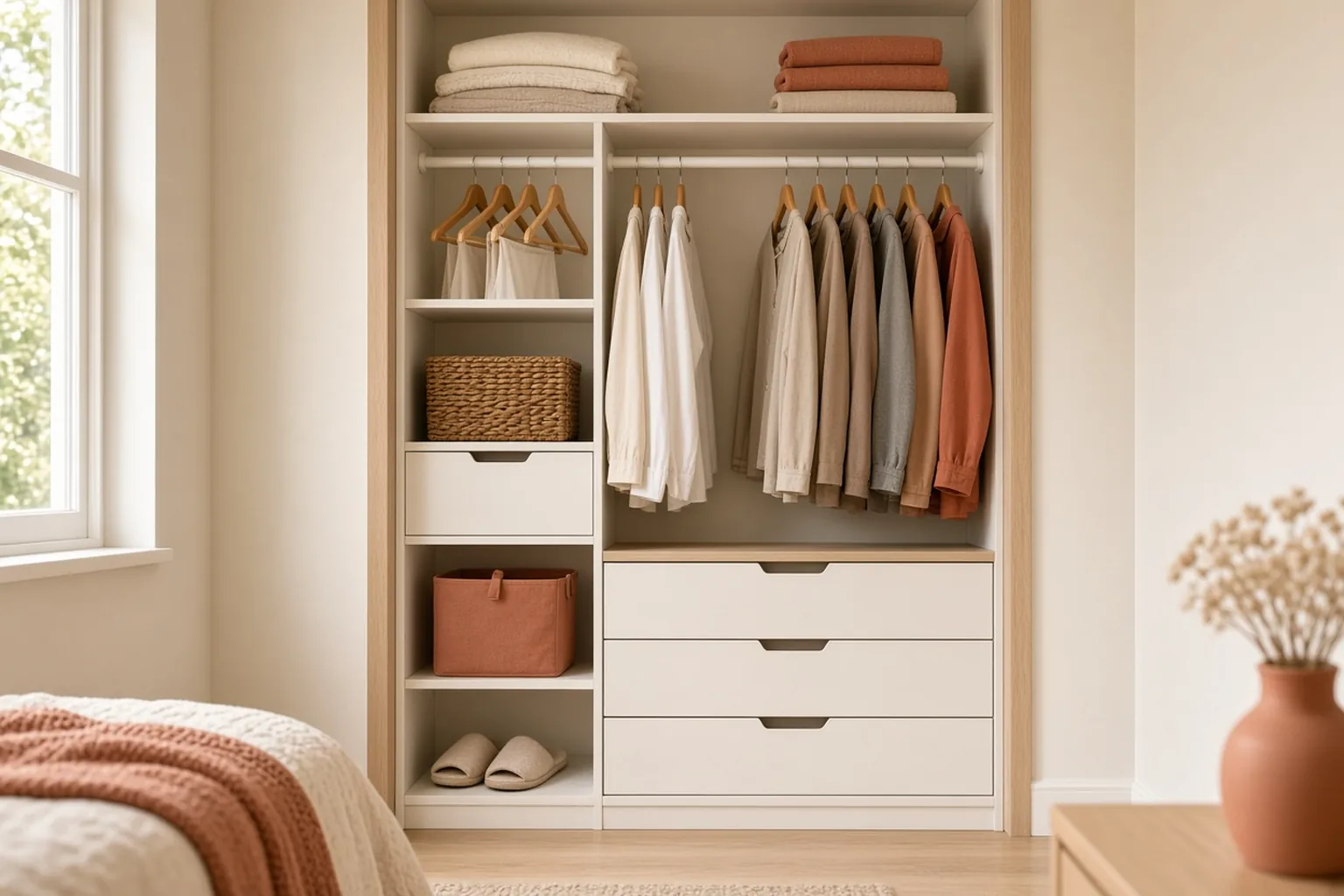
Closet
Best Closet Organizer Systems for Small Bedrooms
Compare closet organizer systems for small bedrooms and learn which features, measurements, and layouts make the most sense.
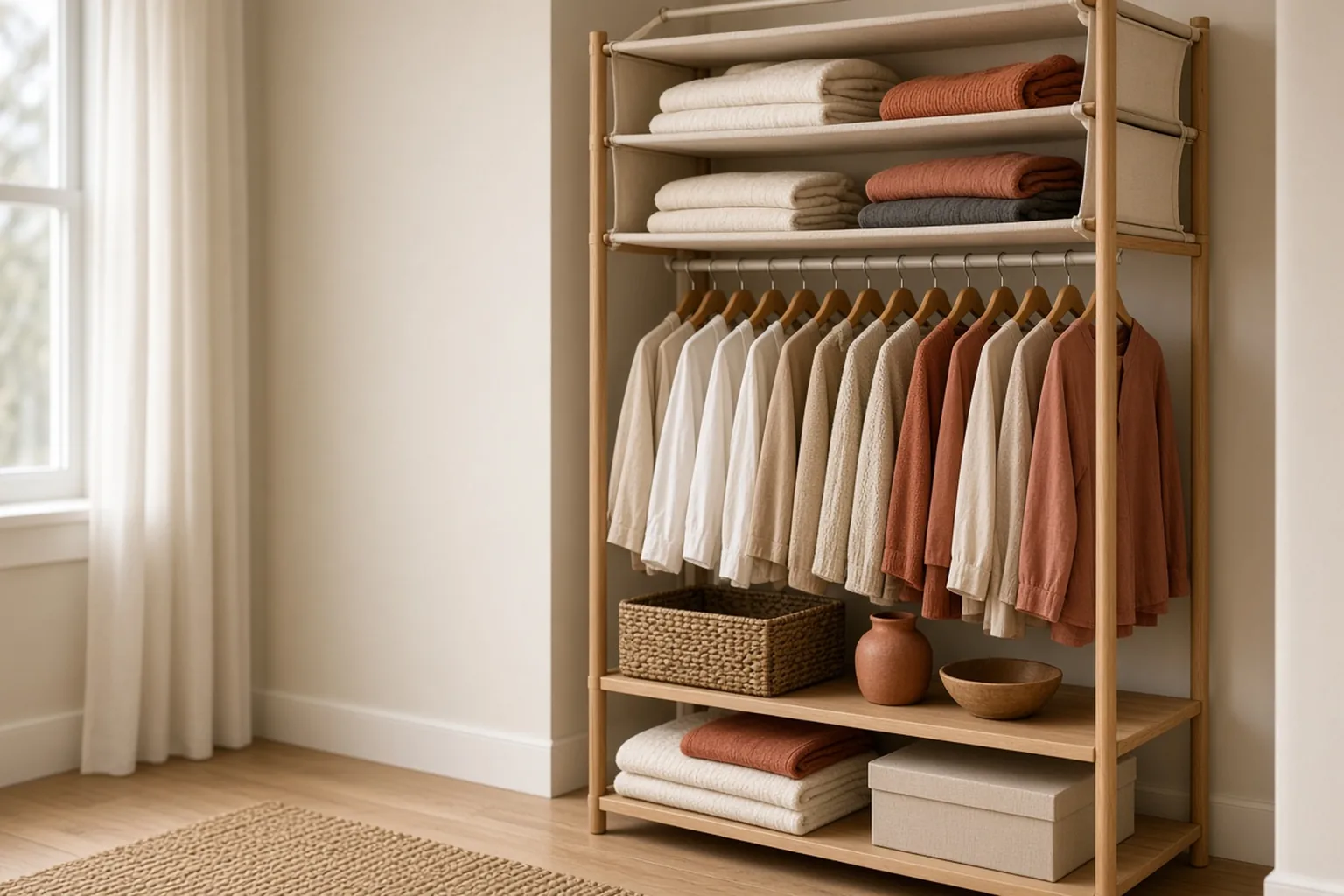
Closet
Best Closet Organizers for Renters: Flexible Systems That Come Down Cleanly
Compare renter-friendly closet organizers, including freestanding racks, tension rods, shelf dividers, and over-the-door storage.
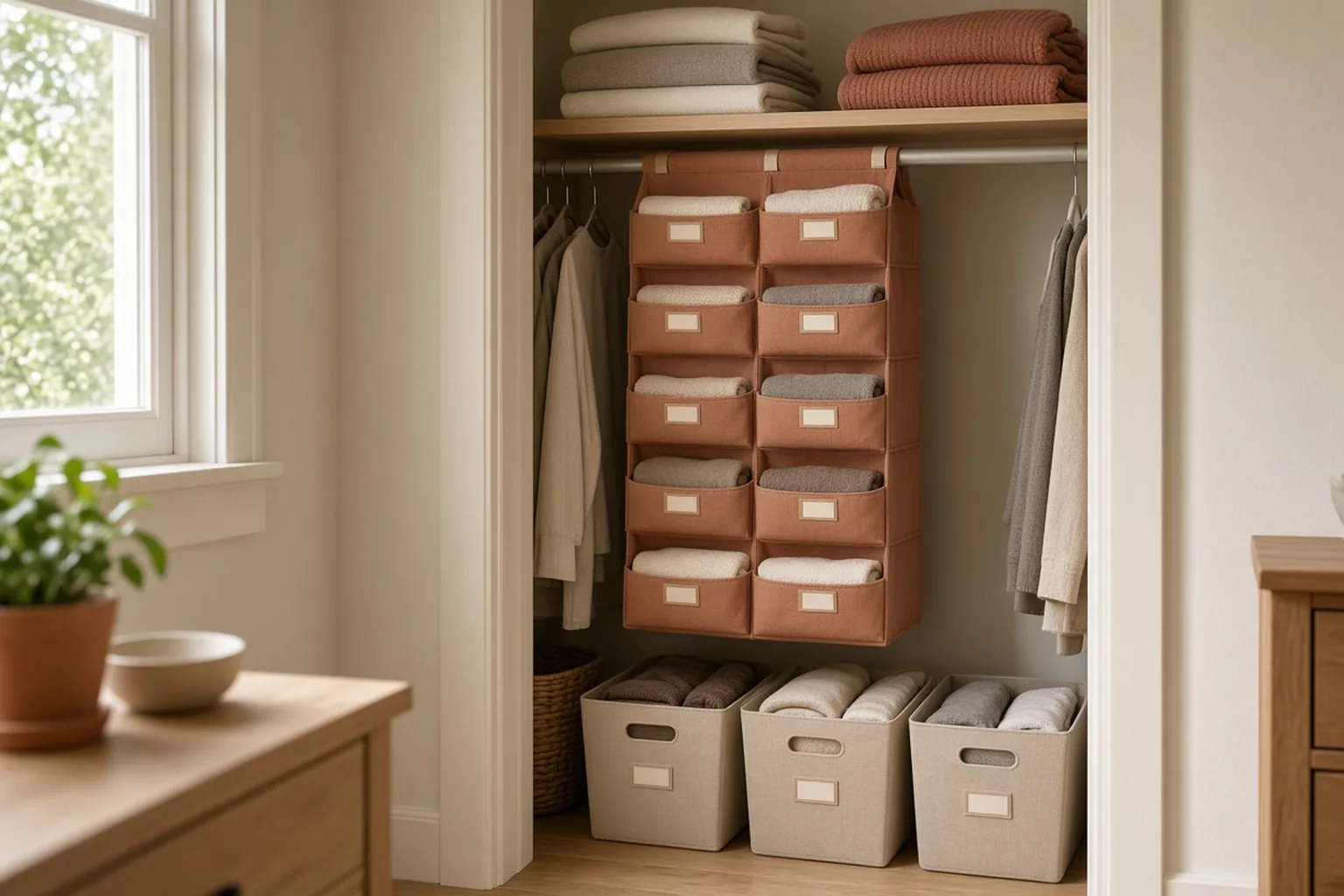
Closet
How to Organize a Small Closet Without Remodeling
Organize a small closet without construction using a simple edit, better zones, vertical storage, and renter-friendly organizers.