Kids · New Year guide
How to Organize Toys After Christmas: A Weekend Plan
Organize toys after Christmas in one weekend: a simple small-home plan to sort, purge, store, and rotate new and old toys so the New Year starts clutter-free.
Updated November 2026
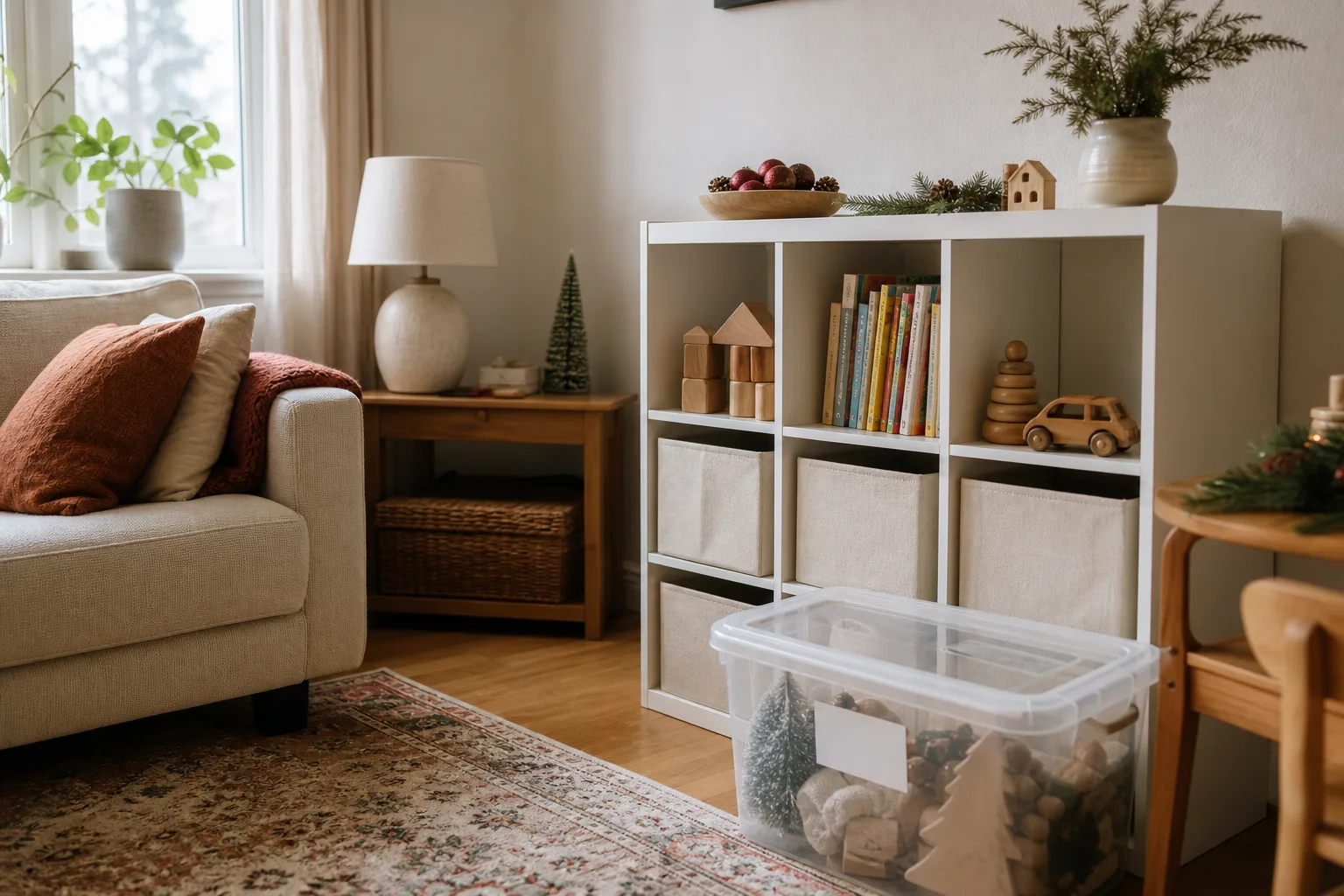
Quick answer: To organize toys after Christmas, start by sorting everything (new gifts and old toys) into keep, donate, and rotate piles, then give each kept category one labeled home your child can reach. In a small home, store a rotation bin out of sight and keep only a manageable selection out, so the playroom stays tidy into the New Year.
Top picks at a glance
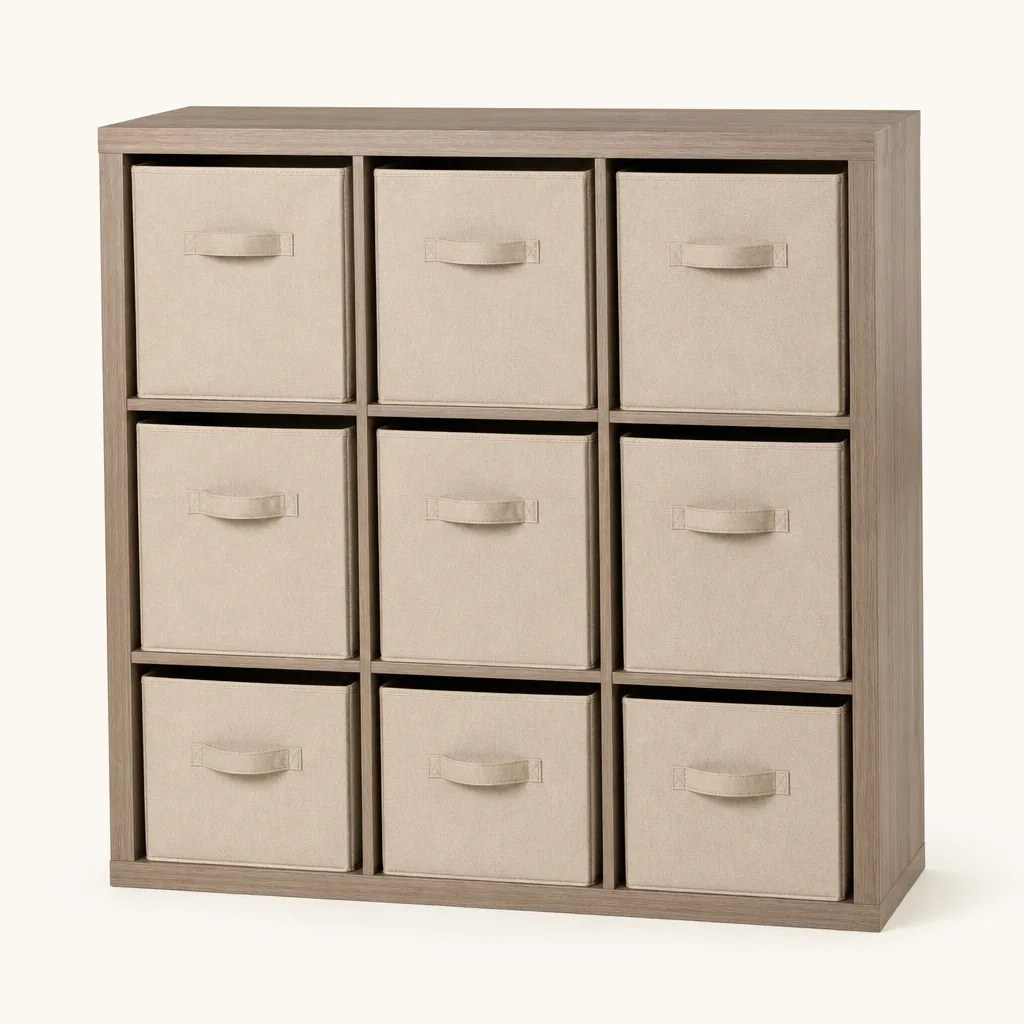
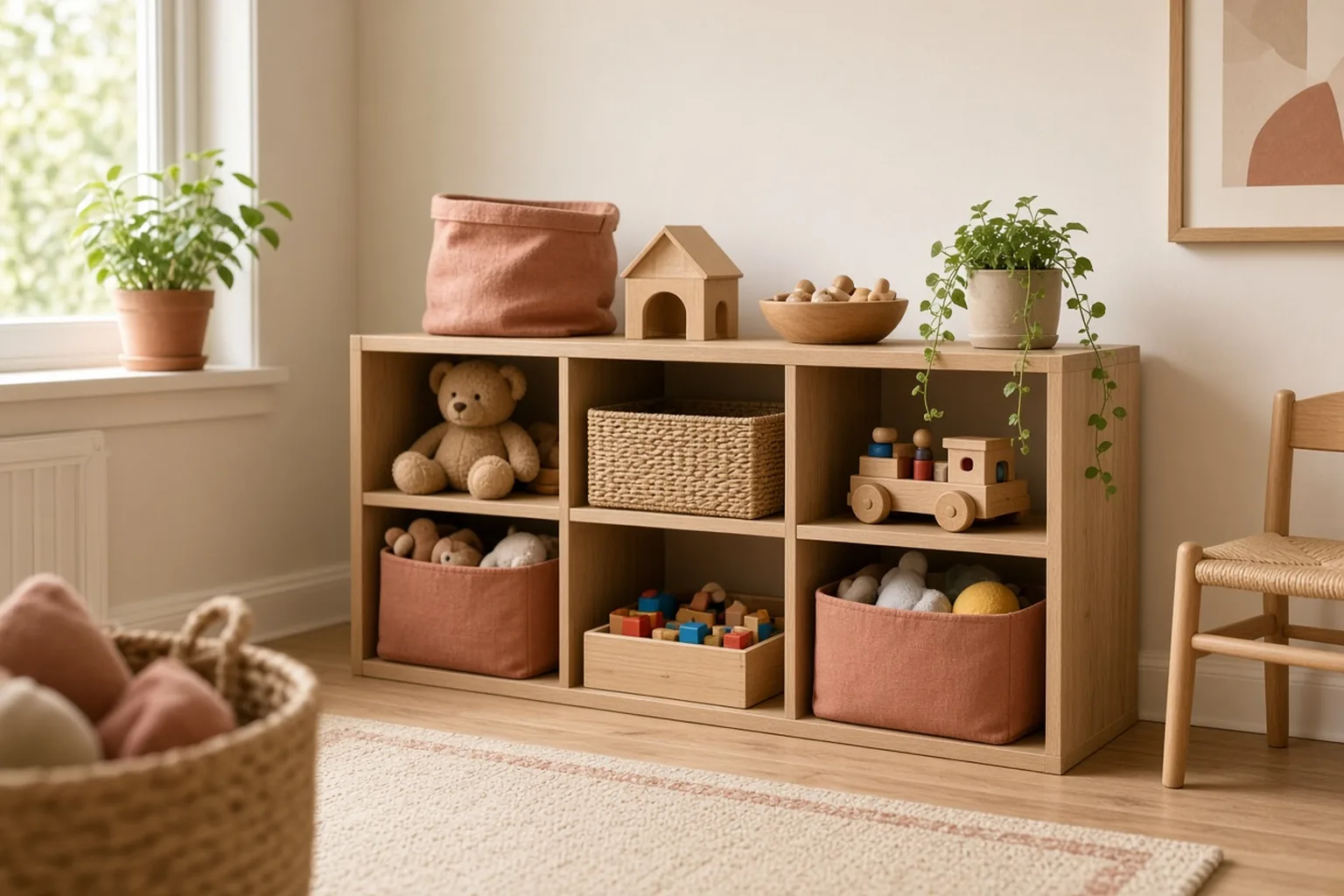
Cube storage organizer with fabric bins
- Pros: Low, open cubes let kids pull out and put back one category per bin without help, which makes daily cleanup realistic.
- Con: Fabric bins hide contents, so younger kids may dump several bins looking for one toy unless you add picture labels.
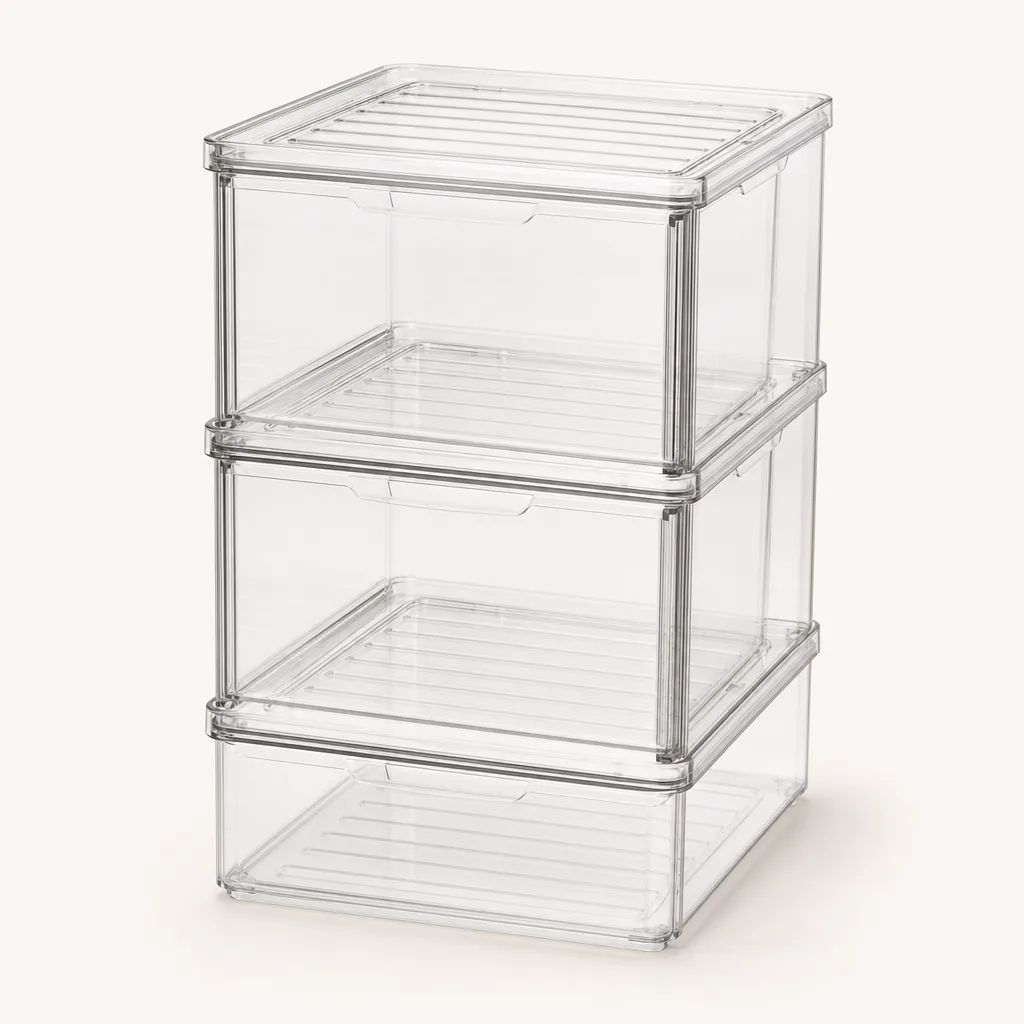
Clear stackable storage bins with lids
- Pros: Transparent sides make rotation easy because you can see what's inside a closet or under-bed bin without opening every one.
- Con: Lids can be hard for small hands and the stacks get tippy if you go more than three high on a closet floor.
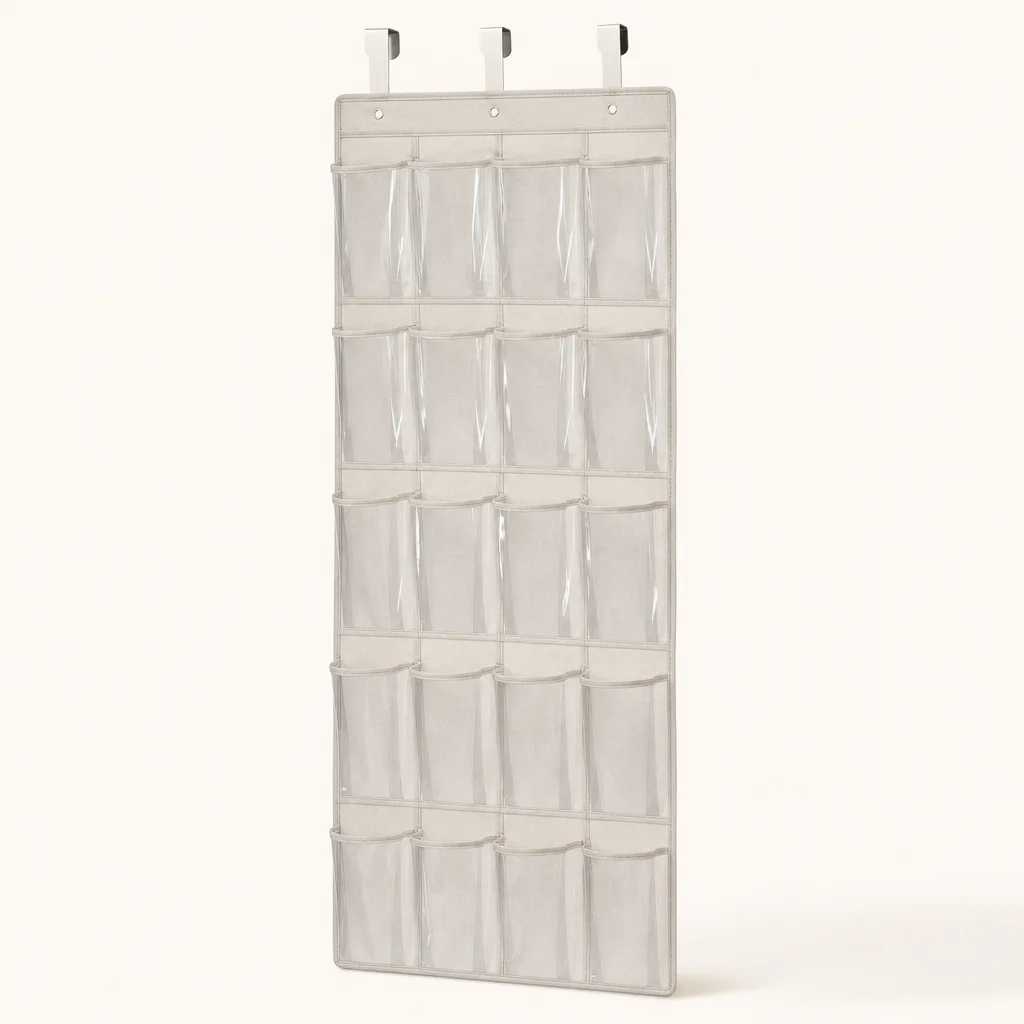
Over-the-door hanging organizer with clear pockets
- Pros: It turns the back of a bedroom or closet door into storage for small dolls, cars, and art supplies without using any floor space.
- Con: Pockets stretch or sag with heavy items, so it works best for small, light toys rather than blocks or books.
Quick comparison
| Option | Why it works in a small home | Before you buy |
|---|---|---|
| Cube storage organizer with fabric bins | Low, open cubes let kids pull out and put back one category per bin without help, which makes daily cleanup… | Fabric bins hide contents, so younger kids may dump several bins looking for one toy unless you add picture… |
| Clear stackable storage bins with lids | Transparent sides make rotation easy because you can see what's inside a closet or under-bed bin without… | Lids can be hard for small hands and the stacks get tippy if you go more than three high on a closet floor. |
| Over-the-door hanging organizer with clear pockets | It turns the back of a bedroom or closet door into storage for small dolls, cars, and art supplies without… | Pockets stretch or sag with heavy items, so it works best for small, light toys rather than blocks or books. |
Friday night: gather everything and set the rules
Start small on Friday evening. Before the weekend gets busy, collect every new gift and pull out the toys that ended up in the living room, car, and bedrooms. Put it all in one spot, like a cleared corner or the bed in the kids' room, so you can see how much you really have. Then set two or three simple rules with your kids. For example: every toy needs a home, broken toys go, and anything we no longer play with gets a second life with another family. Keep the conversation positive and focus on making room for the new things instead of losing the old ones. Have three bags or boxes ready labeled keep, donate, and rotate, plus a trash bag. That way Saturday's sorting moves fast instead of turning into a long negotiation over every single toy. Find more ideas in our kids' organization hub.
Saturday morning: sort by category, not by room
Sorting by category is the most useful step. Group like with like: building sets, dolls and figures, vehicles, puzzles and games, art supplies, books, and pretend play. Once a category is together, duplicates and forgotten toys become obvious. If your child got a new marble run, the old one with missing pieces may be ready to go. Check puzzles and games for missing parts and recycle or toss anything that can't be played with. Bring kids in for short bursts, around fifteen to twenty minutes for younger children, and let them choose favorites inside each category rather than deciding on each toy one by one. Ask yourself whether the toy has been played with in the past few months and whether it fits your space. In a small apartment, the amount of storage you have should decide how many toys you keep, not the other way around.
Saturday afternoon: give every category one home
Now assign each kept category a single, consistent spot. Low open cubes with bins work well for everyday toys because kids can reach them and put things back alone. Use one bin per category and add a picture label, like a photo of cars on the car bin, so non-readers know where things go. Small items such as figures, hair clips, and art markers fit nicely in an over-the-door pocket organizer, which frees up shelf space. Keep big, bulky toys like ride-ons or play kitchens in one area so they don't spread across the home. Books can live in a shallow front-facing rack or a single basket. Avoid deep toy boxes where everything sinks to the bottom and gets forgotten. The goal is that cleanup takes five minutes because there is no guessing about where anything belongs. See also our kids' room storage guides.
Sunday: set up a toy rotation for the New Year
A rotation system makes a small home feel bigger. Take the rotate pile and split it into two or three clear lidded bins, mixing categories so each bin feels like a fresh set. Store them up high in a closet, under a bed, or on a garage shelf. Leave out only what fits comfortably in your main storage, which for many families is around ten to fifteen toys plus books and art supplies. Every few weeks, swap one bin out for another. Kids tend to play longer and more creatively with fewer choices, and old toys feel new again when they come back. Write the swap date on a piece of tape on the lid so you remember when it's time. Finish Sunday by dropping off the donate bags right away. Bags that sit by the door for weeks have a way of sneaking back into the playroom.
Our take
You don't need a big makeover to organize toys after Christmas. One focused weekend and a few practical storage pieces are enough for most small homes. If you buy just one thing, make it a low cube organizer with bins, since it gives kids an easy system they can manage on their own. Add clear lidded bins only if you plan to rotate, and use an over-the-door organizer if small toys are your biggest headache. Measure your space before ordering, and choose fewer, sturdier pieces over lots of small containers that become clutter themselves. Most of all, keep the system simple enough that your child can follow it. A setup that is a little imperfect but gets used daily beats a picture-perfect playroom that falls apart by mid-January. Start the New Year with less, and enjoy the extra floor space. Browse more kids' organizing tips.
FAQ
How many toys should a small home keep out at once?
Many families do well with about 10 to 15 toys out at a time plus books and art supplies, with the rest stored for rotation. Let your available shelf space set the limit.
Should kids help decide which toys to donate?
Yes, in short sessions where they pick favorites inside each category. It feels more positive than asking them to give up toys one by one.
How often should I rotate toys?
Every two to four weeks works well for most kids. Swap sooner if they seem bored, or wait longer if they're still playing with the current set.
Keep reading
Related guides
Kids
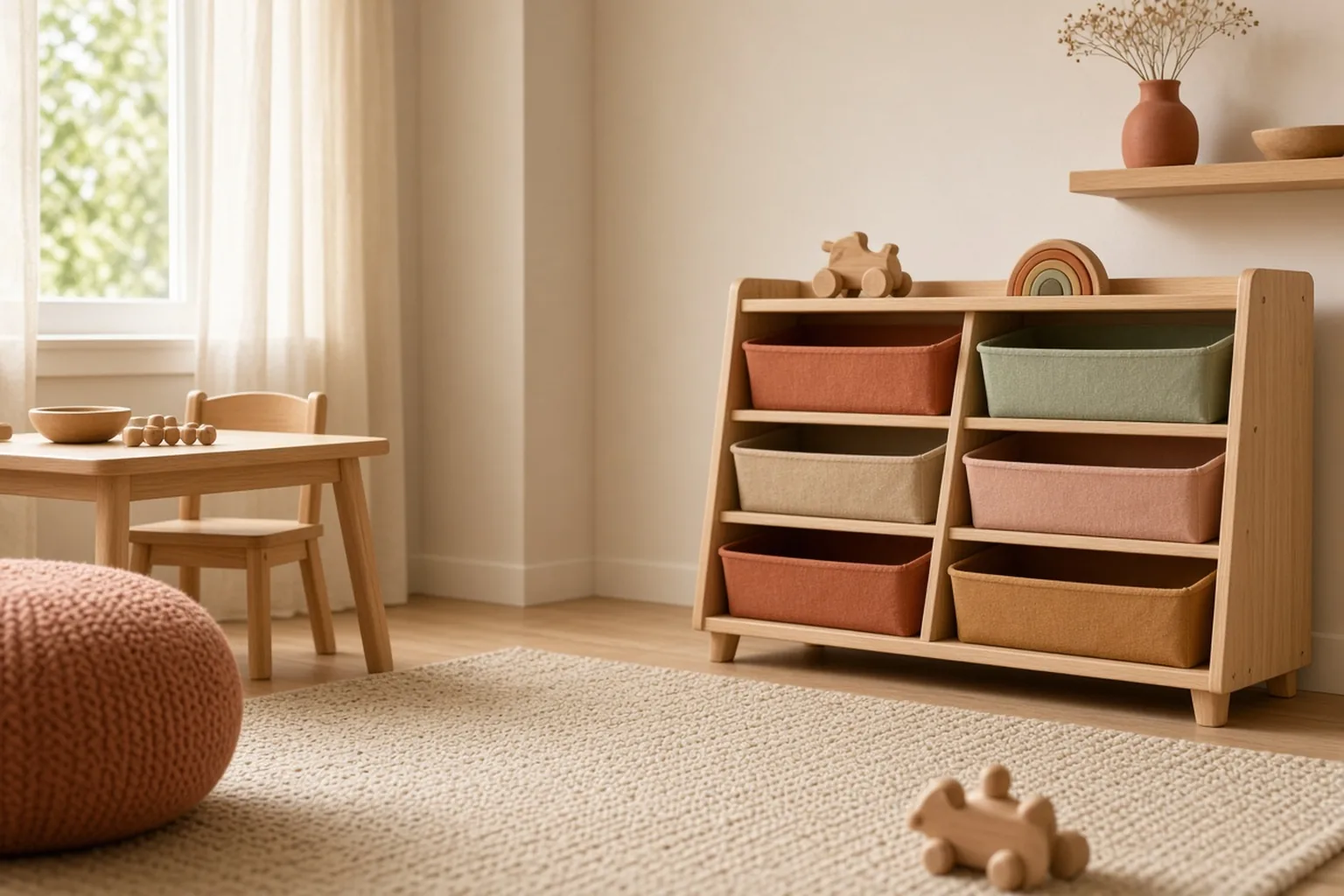
Best Toy Storage Organizers for Playrooms
A practical guide to choosing toy storage organizers for playrooms, with honest advice on layouts, safety, access, and durability.
Kids
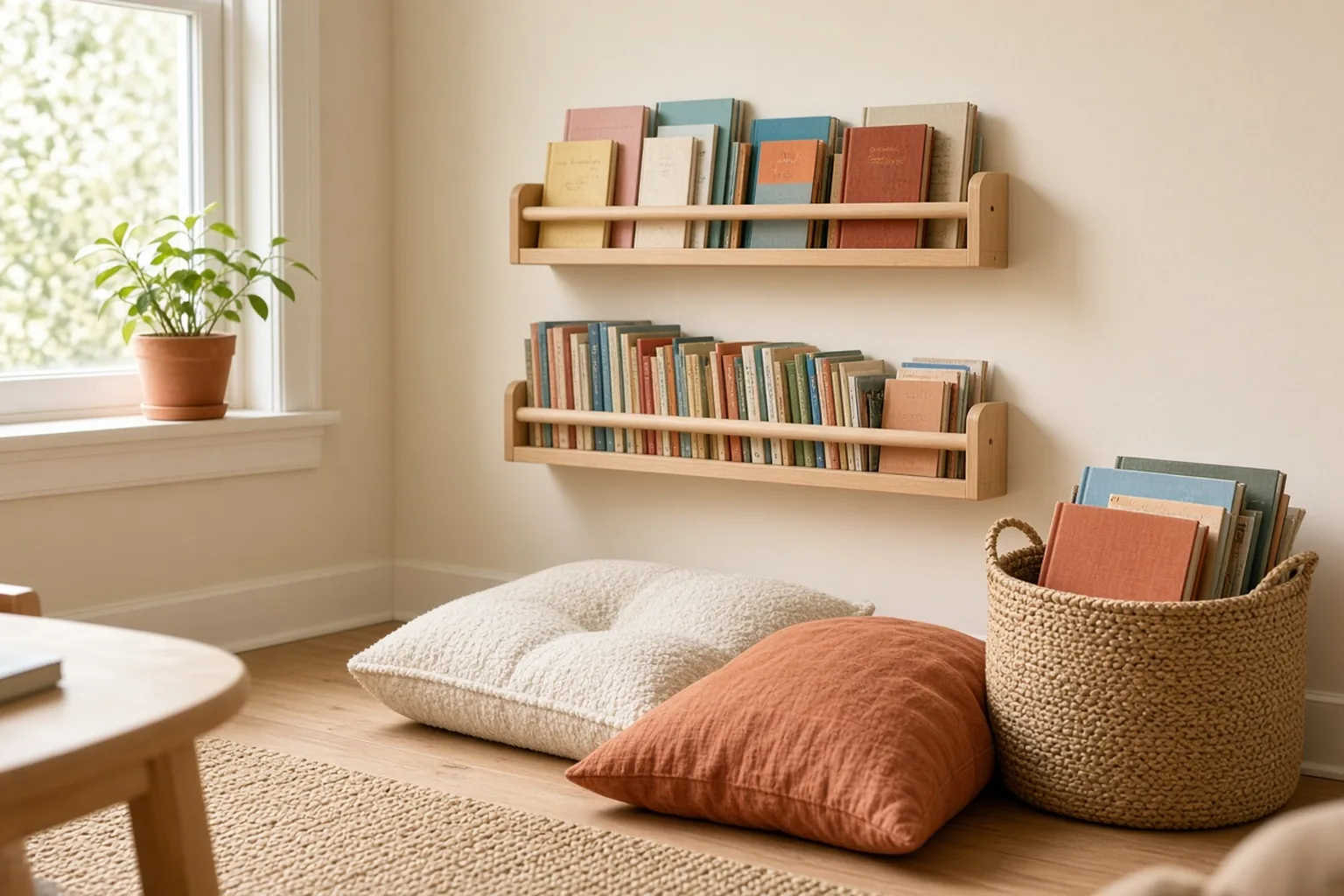
Bookshelf and Book Bin Roundup for Kids Rooms
A practical guide to choosing bookshelves and book bins for kids rooms, with honest advice on safety, storage, access, and fit.
Kids
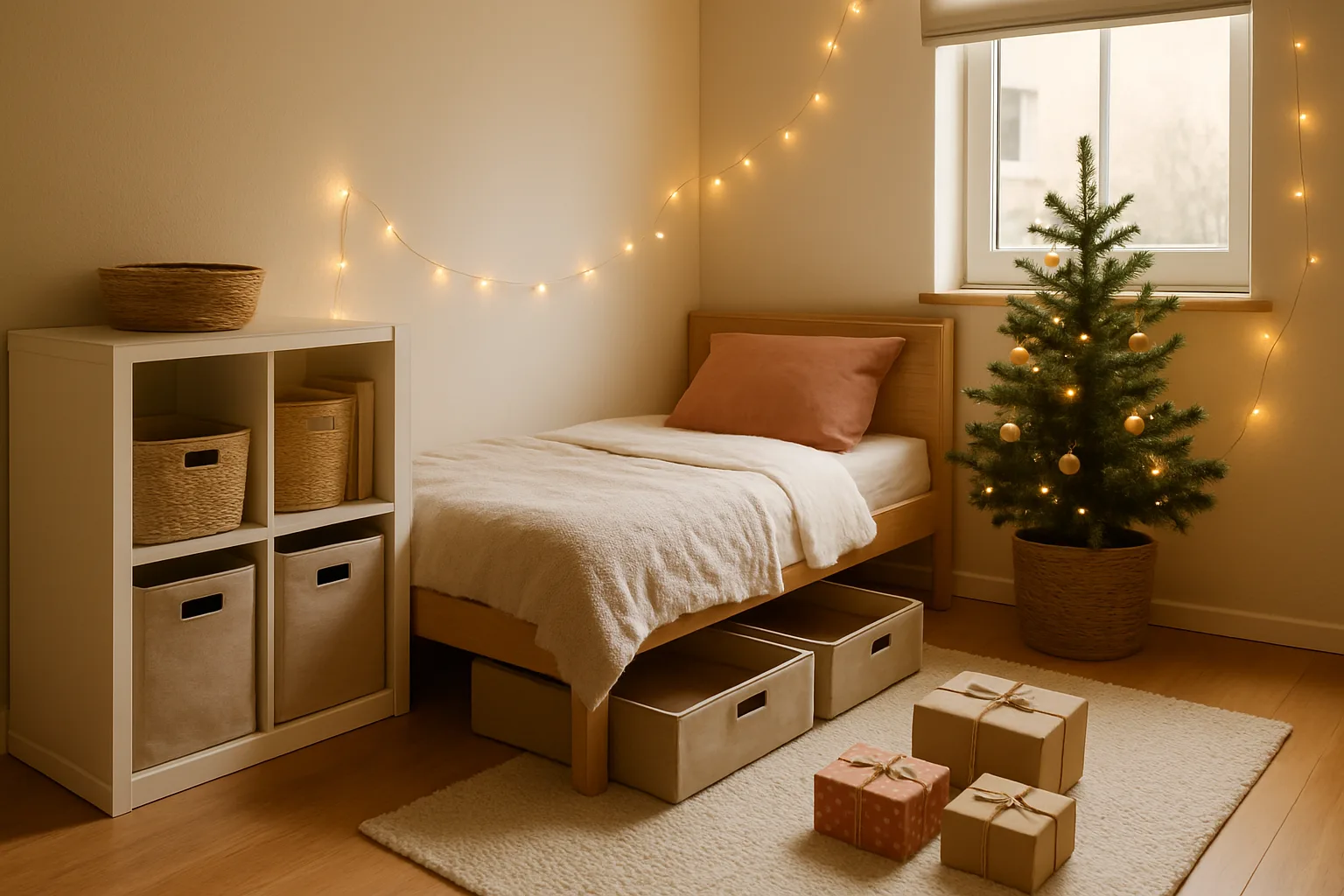
Christmas Gift Storage Kids Room Guide for Small Homes
Where to hide Christmas gifts in a small home, how to clear the kids room before the holidays, and simple storage to reset after gifts are opened.