Kids · New Year guide
Toy Rotation Storage Bins: Tame New Christmas Toys
Toy rotation storage bins help small homes absorb a flood of new Christmas toys. Here's how to pick the right bins and set up a simple New Year rotation.
Updated November 2026
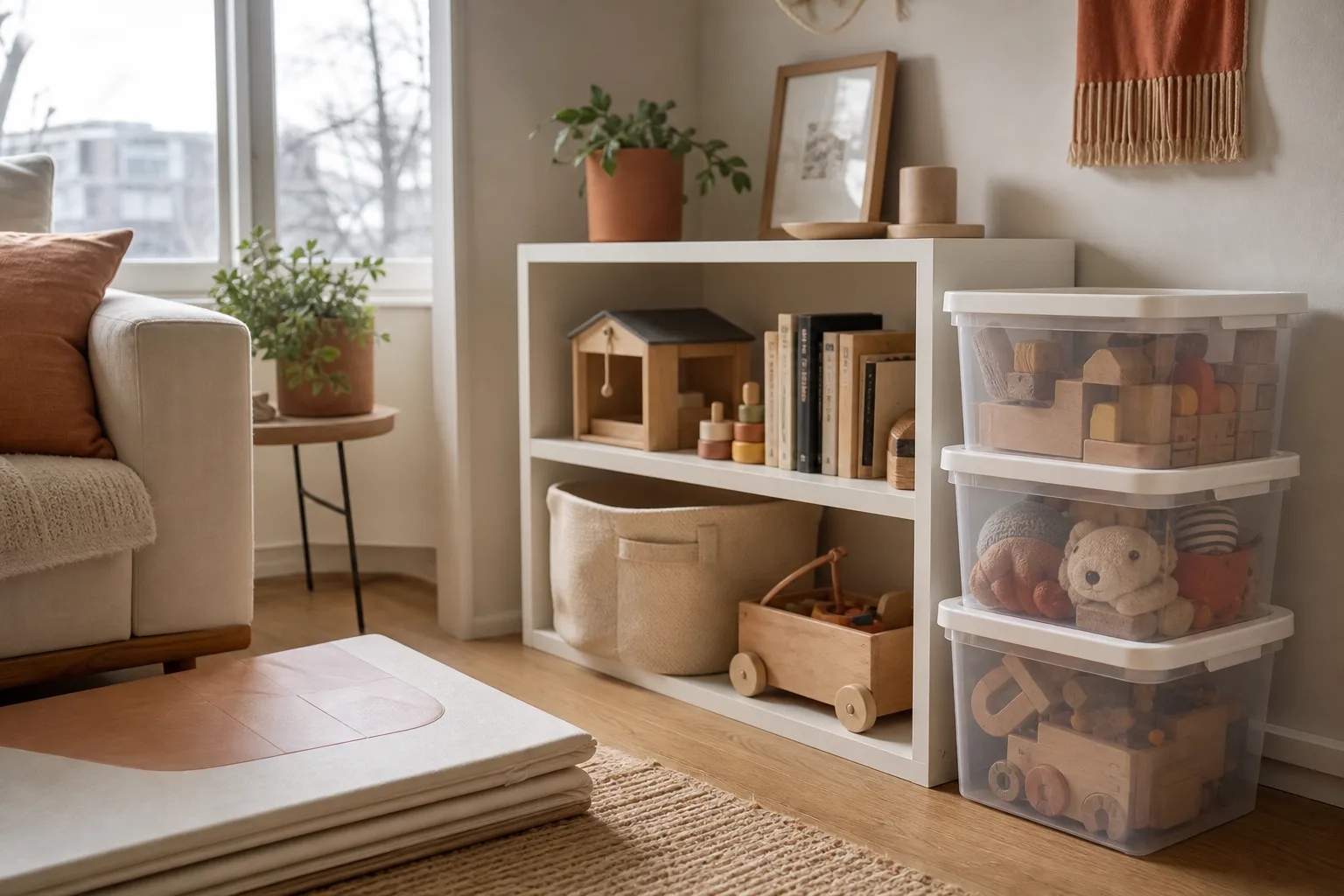
Quick answer: The best toy rotation storage bins for a small home are lidded, stackable, and either clear or clearly labeled, so you can store toys out of sight and still find the right set fast. Leave five to eight toy sets out, pack the rest into bins by theme, and swap one or two bins every week or two. New toys feel new again, and the floor stays clear.
Top picks at a glance
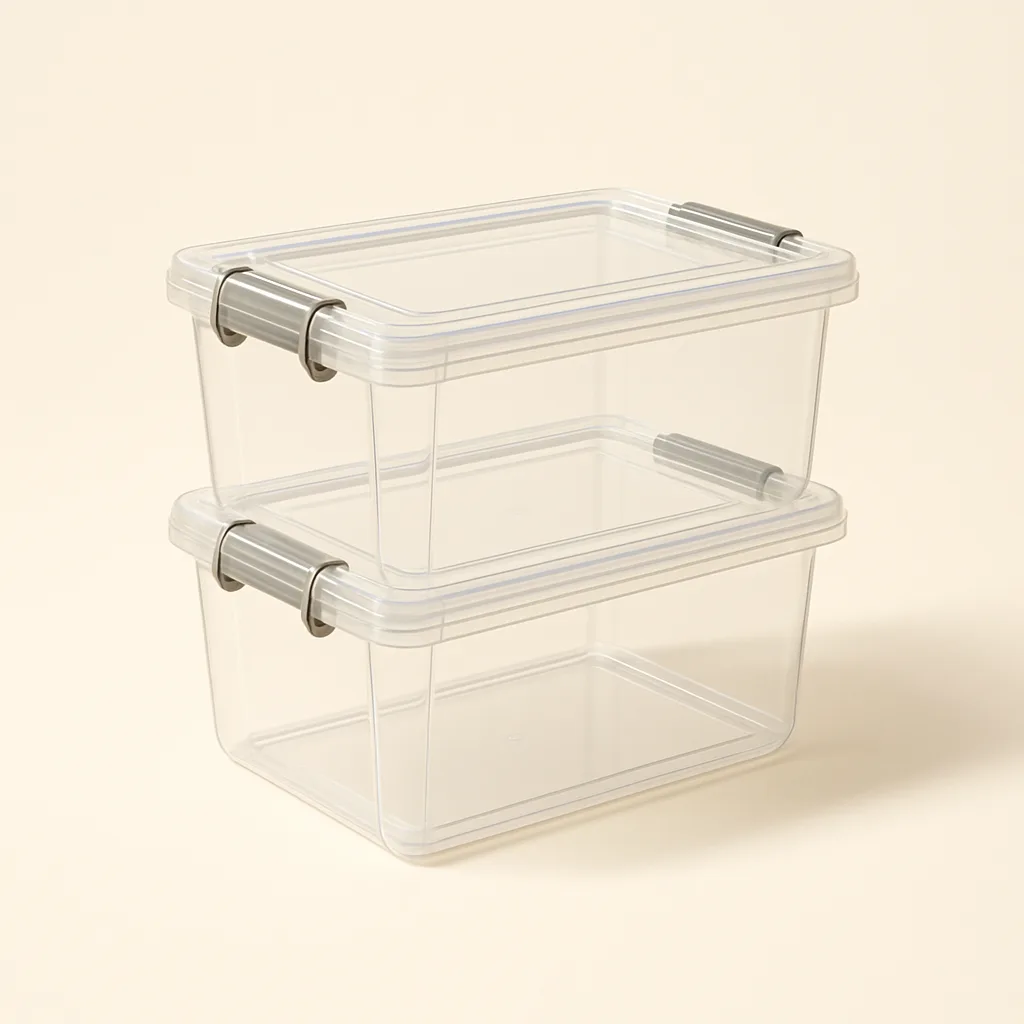
Clear stackable plastic storage bins with latching lids
- Pros: You can see what's inside without opening them, so picking the next rotation set from a closet shelf takes seconds.
- Con: Clear plastic shows clutter through the sides, so they look busier than opaque bins if you keep them out in the room.
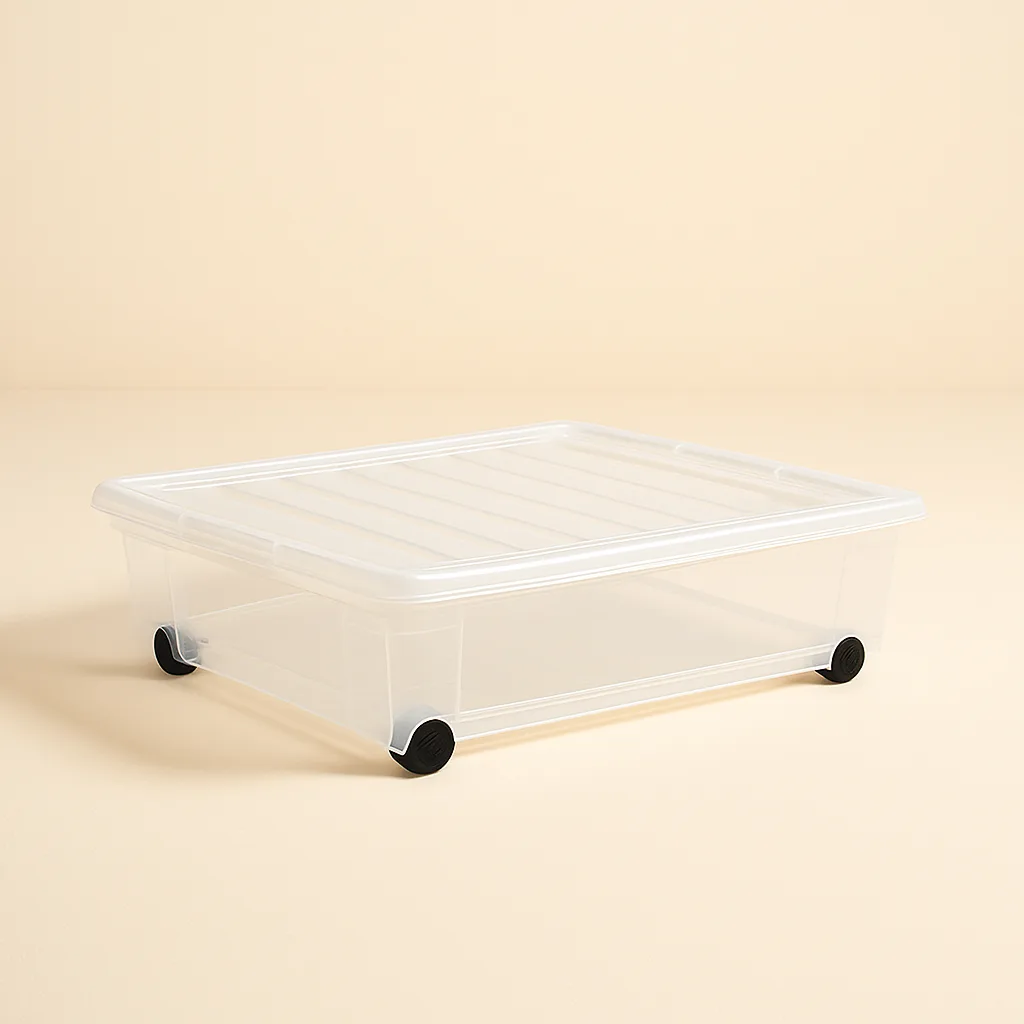
Under-bed rolling storage containers
- Pros: They use the dead space under a bed, so a whole rotation's worth of toys can sit out of sight without eating any closet room.
- Con: They're shallow, so tall toys like play kitchens accessories, dollhouses, or big vehicle sets often won't fit with the lid closed.
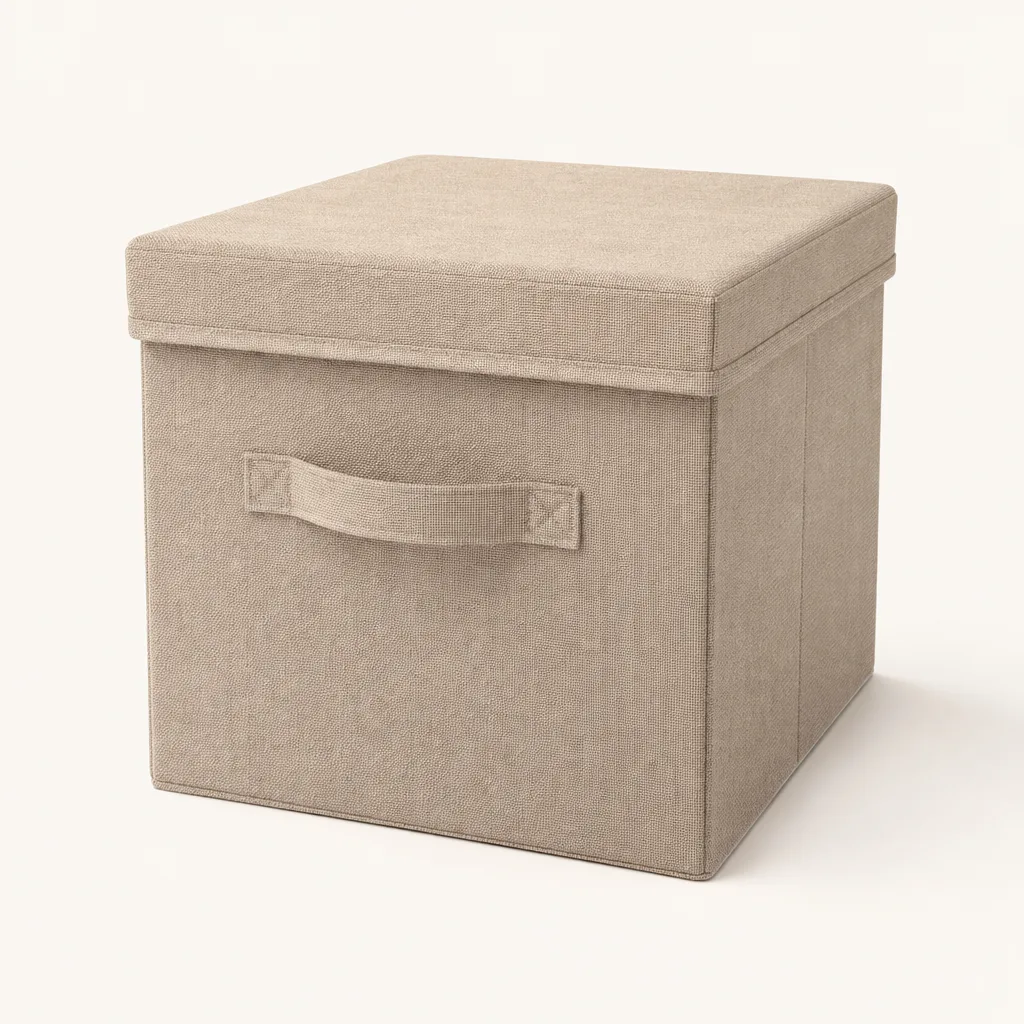
Collapsible fabric storage cubes with lids
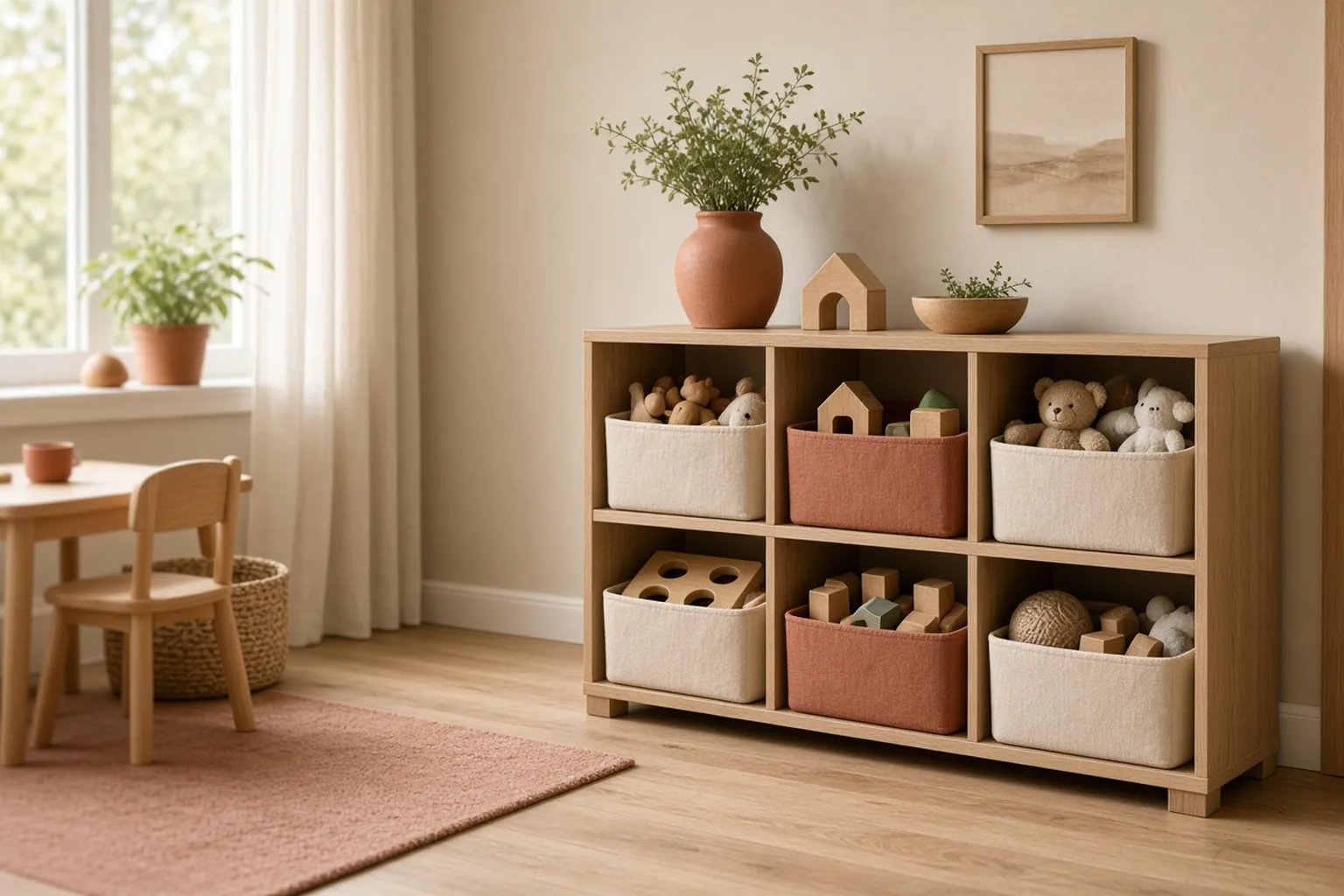
- Pros: They fold flat when a rotation is lighter, and they slide into standard cube shelving so they can live in the room and look like furniture.
- Con: The soft sides sag and won't stack well more than two high, and they don't keep out dust or moisture as well as hard plastic in a basement or garage.
Quick comparison
| Option | Why it works in a small home | Before you buy |
|---|---|---|
| Clear stackable plastic storage bins with latching lids | You can see what's inside without opening them, so picking the next rotation set from a closet shelf takes… | Clear plastic shows clutter through the sides, so they look busier than opaque bins if you keep them out in… |
| Under-bed rolling storage containers | They use the dead space under a bed, so a whole rotation's worth of toys can sit out of sight without eating… | They're shallow, so tall toys like play kitchens accessories, dollhouses, or big vehicle sets often won't fit… |
| Collapsible fabric storage cubes with lids | They fold flat when a rotation is lighter, and they slide into standard cube shelving so they can live in the… | The soft sides sag and won't stack well more than two high, and they don't keep out dust or moisture as well… |
Why toy rotation works so well after Christmas
Most kids get a lot of new things in a short window between the holidays and New Year, and a small home has no extra room to absorb them. Toy rotation fixes the space problem and the boredom problem at the same time. You keep a small selection out, store the rest, and swap sets on a regular schedule. With fewer choices, kids tend to play longer with each toy, and a toy that has been away for a few weeks feels fresh when it comes back. For parents, cleanup gets much faster because there's simply less to put away each night. The key is that stored toys have to be easy to reach and easy to swap, or the system falls apart by February. That's where good toy rotation storage bins come in. For more ideas on keeping kids' spaces under control, browse our kids' organization guides.
What to look for in toy rotation storage bins
Start with lids. Rotation bins spend most of their time stored away, and lids keep out dust, make the bins stackable, and stop curious hands from digging through everything. Next, think about visibility. Clear bins let you see contents at a glance, while opaque bins look calmer but need good labels. Choose one bin size and stick with it where you can, because uniform bins stack evenly and fit shelves predictably. A medium bin that holds one themed set, like blocks, a train set, or dress-up clothes, is usually more useful than one giant tote that becomes a jumble. Check the interior dimensions against your bulkiest toys before you buy. Handles or cutouts help if bins live on a high closet shelf. Finally, measure your actual storage spot first, whether that's under a bed, the top of a closet, or a cube shelf, and buy to fit that space.
Where to keep rotation bins in a small home
In an apartment, the best storage spot is one kids can't easily get into but you can reach without a step stool every week. The top shelf of a coat or bedroom closet works well for latching plastic bins. The space under a bed is often wasted and fits low rolling containers, which also keeps toys on the same floor as the play area. If you have a cube shelf in the living room, fabric cubes with lids can hold the stored sets right there, out of sight, while the open cubes hold the current rotation. Avoid spots that need a big effort to reach, like the back of a crowded storage unit or behind seasonal decor, because a rotation you can't reach easily won't happen. For more small-space storage ideas around the home, see our kids' room and playroom hub.
How to set up your first New Year rotation
Pick a quiet afternoon in the first week of January. Gather every toy into one spot, including the new Christmas gifts, and put aside anything broken, outgrown, or missing pieces. Sort what's left into sets by type of play: building, pretend play, vehicles, art, puzzles, and so on. Then build each bin as a balanced mix, perhaps one building toy, one pretend-play set, one puzzle, and a few books, so any bin you pull out offers variety. Leave out a few long-term favorites and the one or two toys your child is most excited about right now. Label each bin with a number or a simple list of contents and a photo taped to the side for kids who can't read yet. Swap one bin every week or two, and if your child keeps asking for something that's stored, just let it come back out. The system should serve the kids, not fight them.
Our take
For most small homes, a set of clear stackable bins with latching lids is the most practical starting point, because they protect toys, stack neatly on a closet shelf, and make it fast to grab the next set. If your closets are already full, under-bed rolling containers are the next best choice for flat, smaller toys. Fabric cubes with lids make sense when your storage has to stay in the living room and look tidy. Whatever you choose, buy fewer bins than you think you need, about four to six for most families, and fill them before you add more. If the bins are overflowing, that's a sign it's time to donate or pass along some toys rather than buy more storage. Start small after New Year, keep the routine simple, and adjust as your kids' interests change. More ideas live in our kids' organization hub.
FAQ
How many toys should be out at one time in a toy rotation?
Many families do well with about five to eight toy sets out at once, plus books. Watch your child: if toys end up scattered and ignored, put out fewer.
How often should I rotate the toy bins?
Every one to two weeks works for most families, but you can swap sooner if interest fades. Keep the timing flexible rather than strict.
Should toy rotation bins be clear or opaque?
Clear bins are easier for finding things quickly in a closet, while opaque bins look calmer if they're kept in the room. If you choose opaque, label them clearly with words or a photo.
Keep reading
Related guides
Kids
Best Toy Storage Organizers for Playrooms
A practical guide to choosing toy storage organizers for playrooms, with honest advice on layouts, safety, access, and durability.
Kids
Bookshelf and Book Bin Roundup for Kids Rooms
A practical guide to choosing bookshelves and book bins for kids rooms, with honest advice on safety, storage, access, and fit.
Kids
Christmas Gift Storage Kids Room Guide for Small Homes
Where to hide Christmas gifts in a small home, how to clear the kids room before the holidays, and simple storage to reset after gifts are opened.