Under-Bed Storage Solutions Buying Guide
Updated September 2026
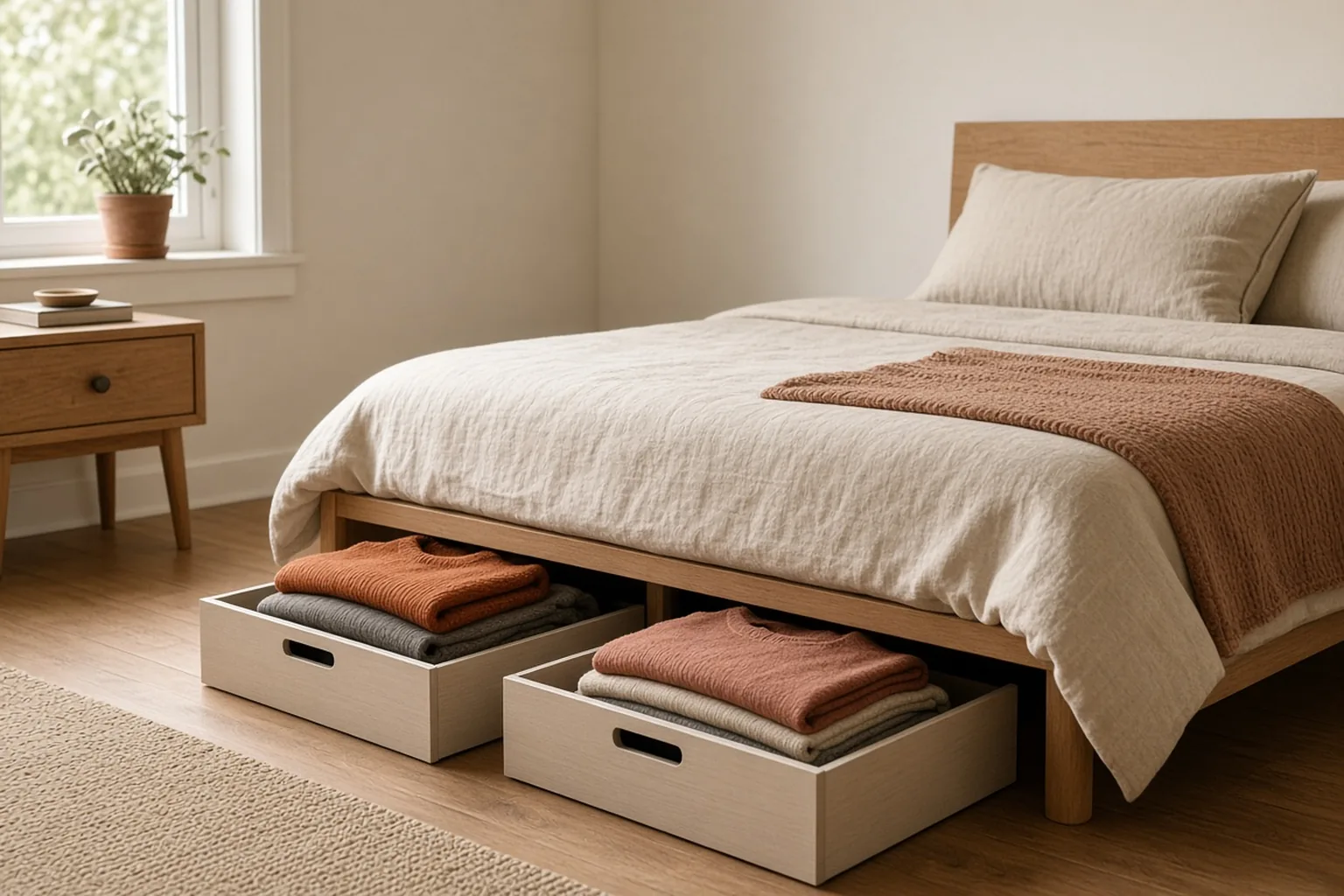
Quick answer: The space beneath a bed is easy to ignore, yet it can hold bulky items that otherwise end up in a closet, hallway, or moving box. It can also become a dusty, awkward pile if the storage does not match the bed frame or the items you need to reach.
Top picks at a glance
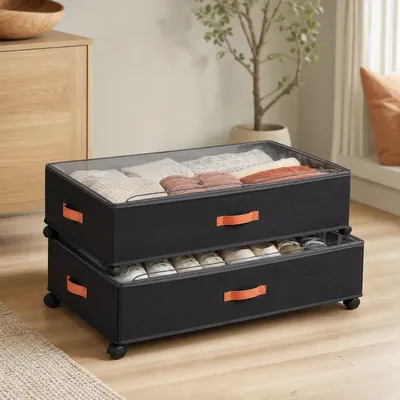
Under Bed Rolling Storage Bins With Lids
- Pros: Rolling plastic bins are a practical choice for heavier or frequently accessed items such as blankets, shoes, books, and seasonal gear.
- Pros: Uses the dead space under the bed for the things you reach for a few times a year.
- Con: Measure the clearance under the frame; low beds need bins under 6 inches tall.
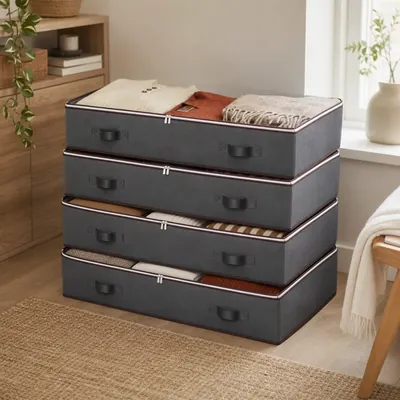
Zippered under-bed storage bags
- Pros: Soft storage bags are well suited to clothing, spare sheets, comforters, and other lightweight items.
- Pros: Uses the dead space under the bed for the things you reach for a few times a year.
- Con: Measure the clearance under the frame; low beds need bins under 6 inches tall.
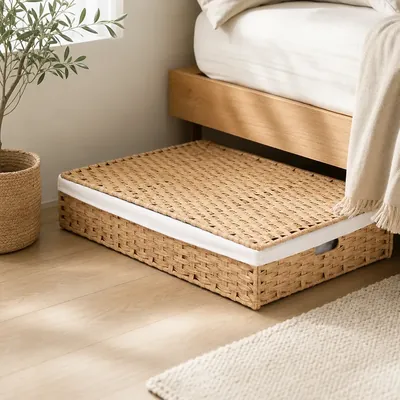
Open baskets and low organizers
- Pros: Open baskets and shallow organizers work best for items you reach often and do not need to seal away, such as slippers, extra towels, or toys.
- Pros: Modular sizes stack and label, so the same bins work in any room.
- Con: Measure the shelf depth and count the lids; opaque bins need labels to stay useful.
Quick comparison
| Option | Best for | Before buying |
|---|---|---|
| Under Bed Rolling Storage Bins With Lids | Best overall | Check fit and load rating |
| Zippered under-bed storage bags | Best for flexibility | Check fit and load rating |
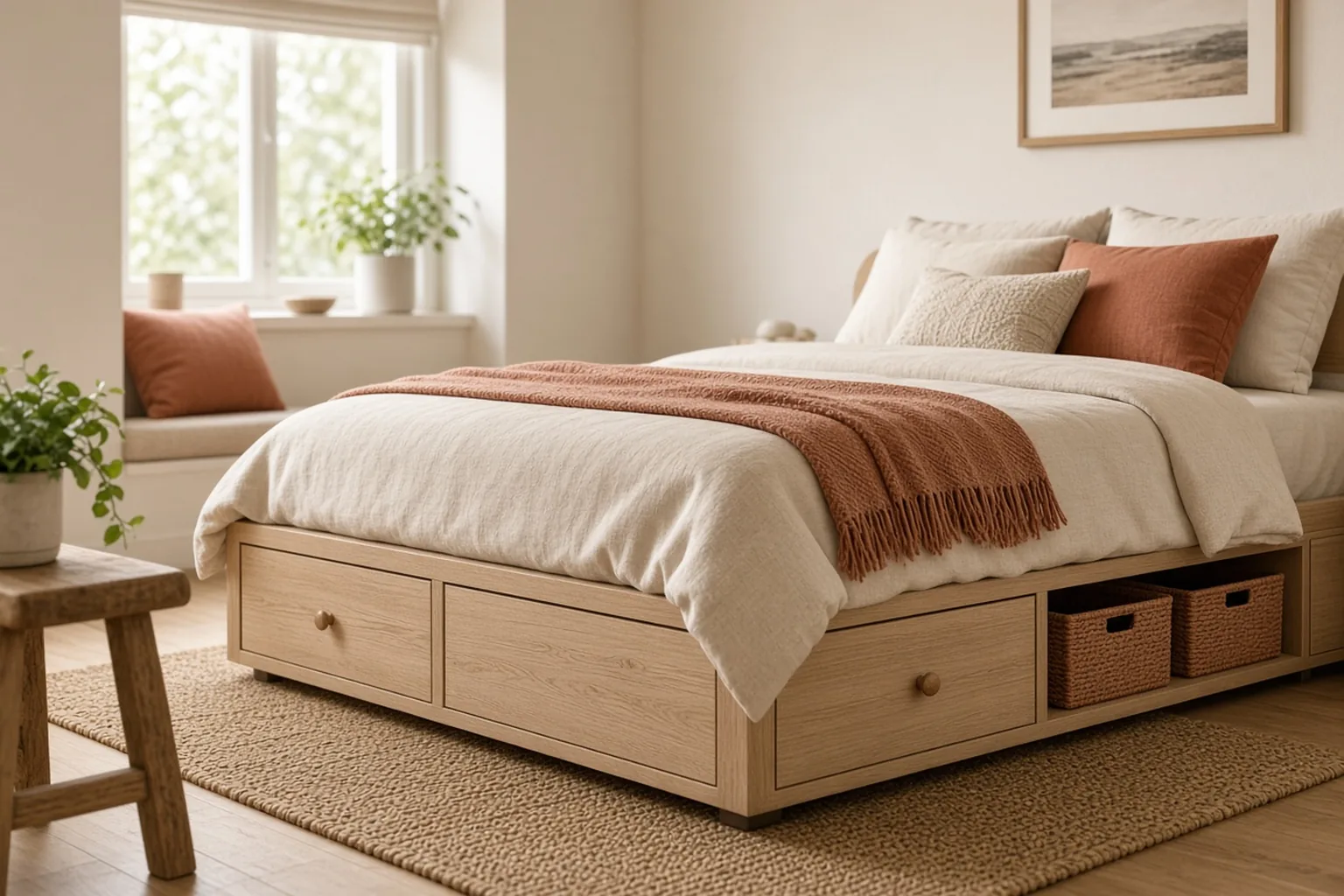
| Under-bed drawers | Best for limited space | Check fit and load rating |
| Open baskets and low organizers | Best for comparison | Check fit and load rating |
What actually matters when choosing under-bed storage
- Available clearance. Measure the shortest distance from the floor to the underside of the bed frame, allowing for any slats, rails, or protruding hardware. A container that is even slightly too tall will be difficult to use or may not fit at all.
- Access and frequency. Storage used weekly should slide out easily and have a useful handle or opening. Items used once or twice a year can work in a less accessible container with a tighter cover.
- Protection from dust and moisture. A lid, zipper, or closed fabric panel helps protect contents from dust. For clothing and linens, choose breathable materials and store only clean, completely dry items.
- Weight and floor contact. Check how much weight the base and casters are intended to handle, and consider whether wheels could scratch your flooring. Soft feet, smooth casters, or a protective mat may be helpful.
Our take
Start by measuring the clearance, then sort what you want to store by weight and frequency of use. For most small apartments, a lidded rolling bin is a sensible first purchase when you need durable, accessible storage for mixed household items. If the main problem is seasonal clothing or bedding, zippered bags may use the space more efficiently and are easier to lift. Choose drawers when you want everyday access and your floor and bed frame can accommodate them. If you only buy one thing, buy a container that fits the space with room to slide out fully; a slightly smaller solution that you can actually reach is more useful than the largest container that gets stuck underneath.
FAQ
What should I measure before buying?
Measure the usable width, depth, height, clearance, and the load the organizer must carry before ordering.
Which option is best for a small space?
Choose the product that solves the main bottleneck while leaving doors, walkways, and everyday access clear.
How do I avoid a return?
Check assembled dimensions, installation requirements, weight limits, and the retailer return policy before buying.
Keep reading
Related guides
Apartment living
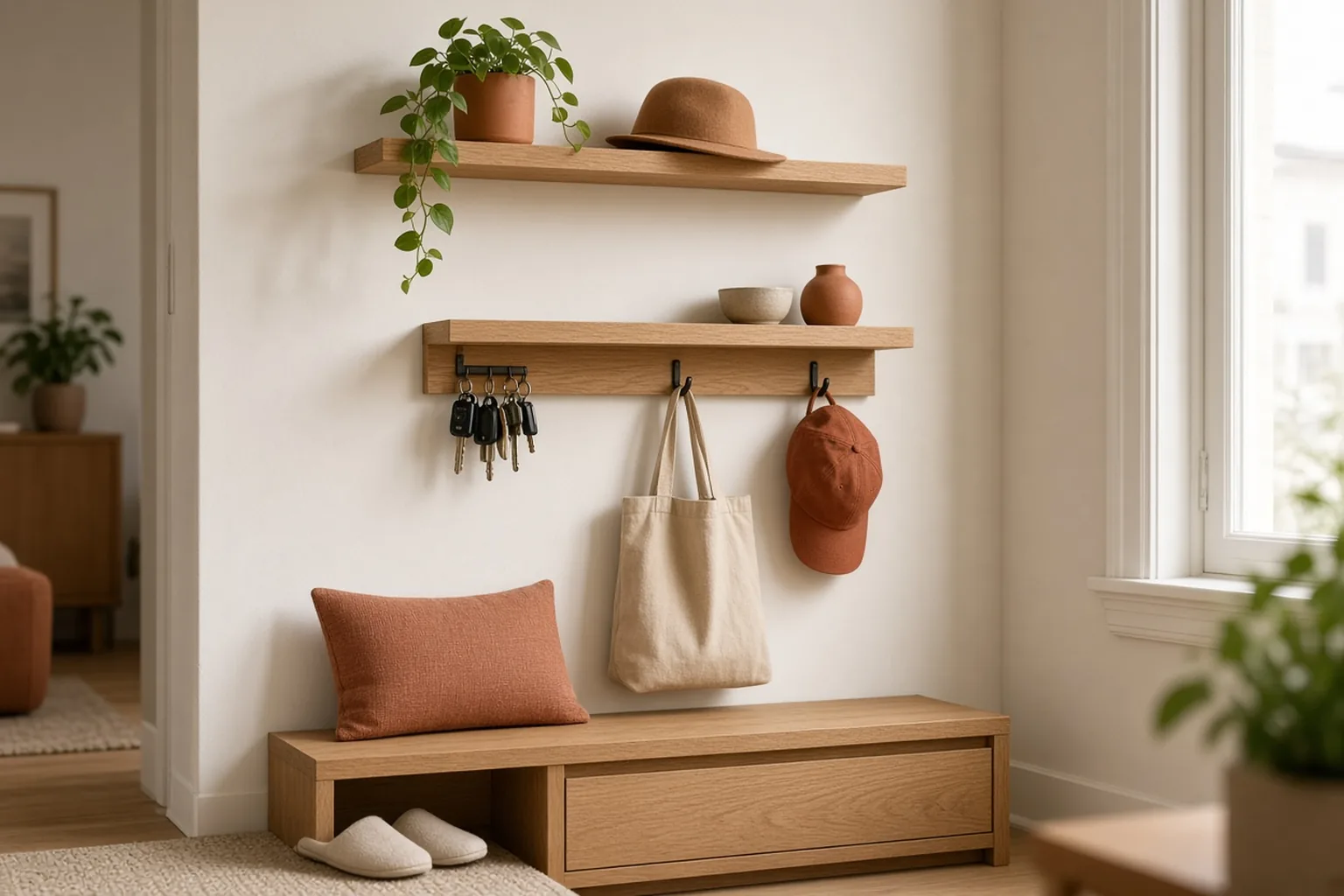
Wall-Mounted Storage Ideas for Renters (No-Drill Options)
Explore no-drill wall-mounted storage ideas for renters, plus practical tips for choosing secure, removable solutions.
Apartment living
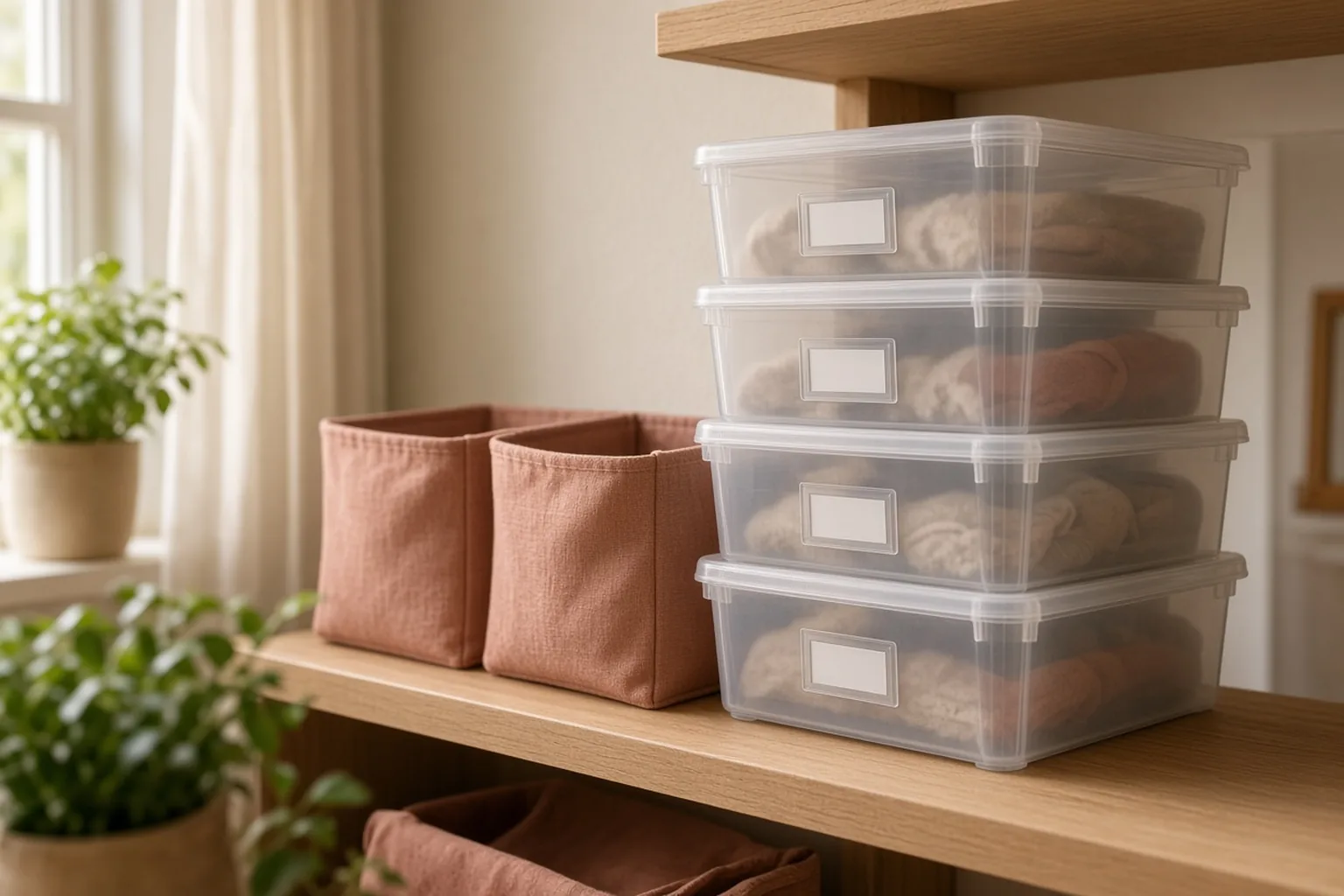
Best Storage Bins and Bin Systems for Small Homes
A practical guide to choosing storage bins and bin systems for small homes, with advice on size, access, stacking, and flexibility.
Apartment living
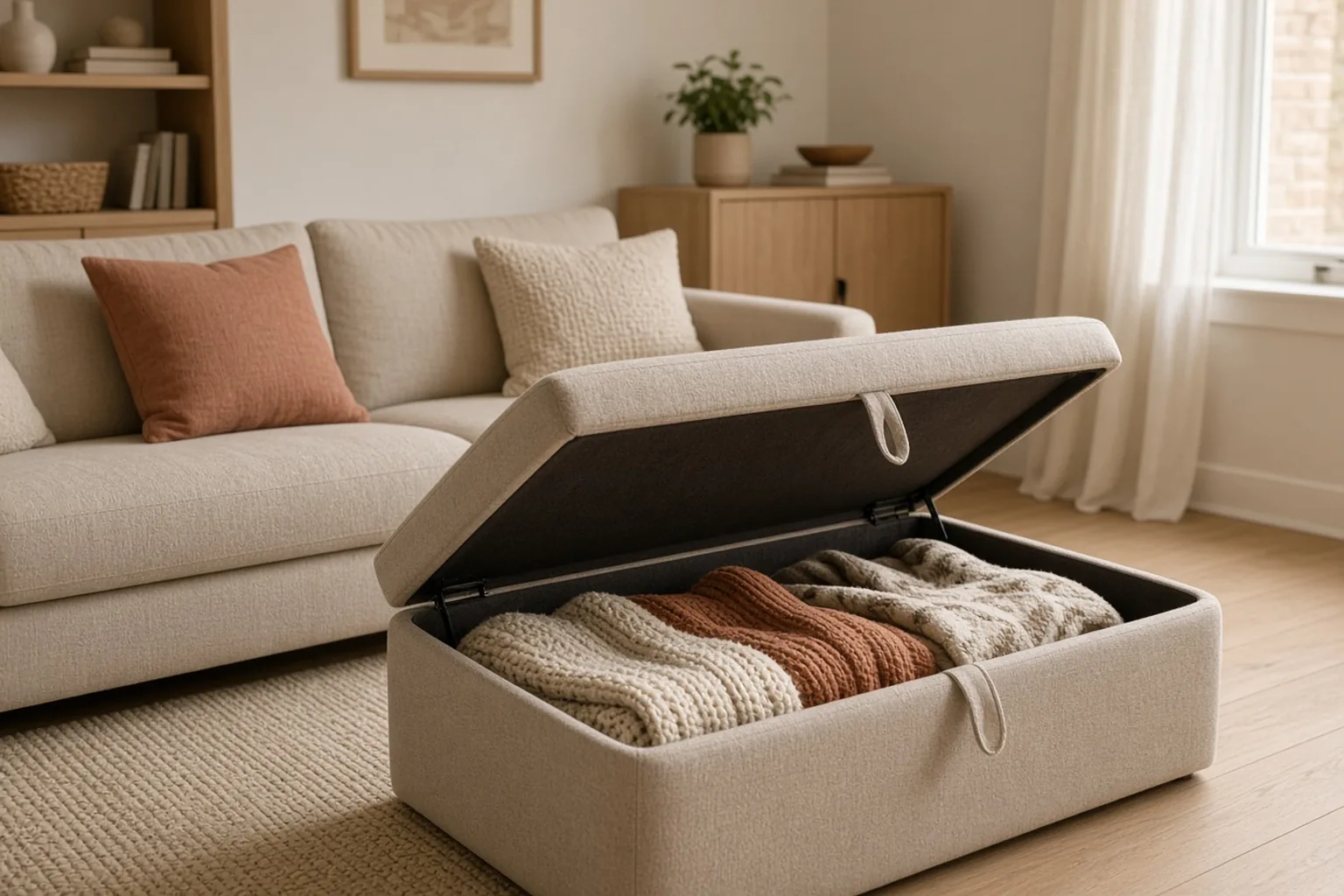
Best Storage Ottomans for Studio Apartments
A practical guide to choosing storage ottomans for studio apartments, with advice on size, access, materials, comfort, and layout.