Kitchen · New Year guide
Pantry Reset: Clear Containers and Labels for a Small Kitchen
Start the New Year with a pantry reset: clear containers and labels that fit small kitchens, stop duplicate buys, and stay organized past January.
Updated November 2026
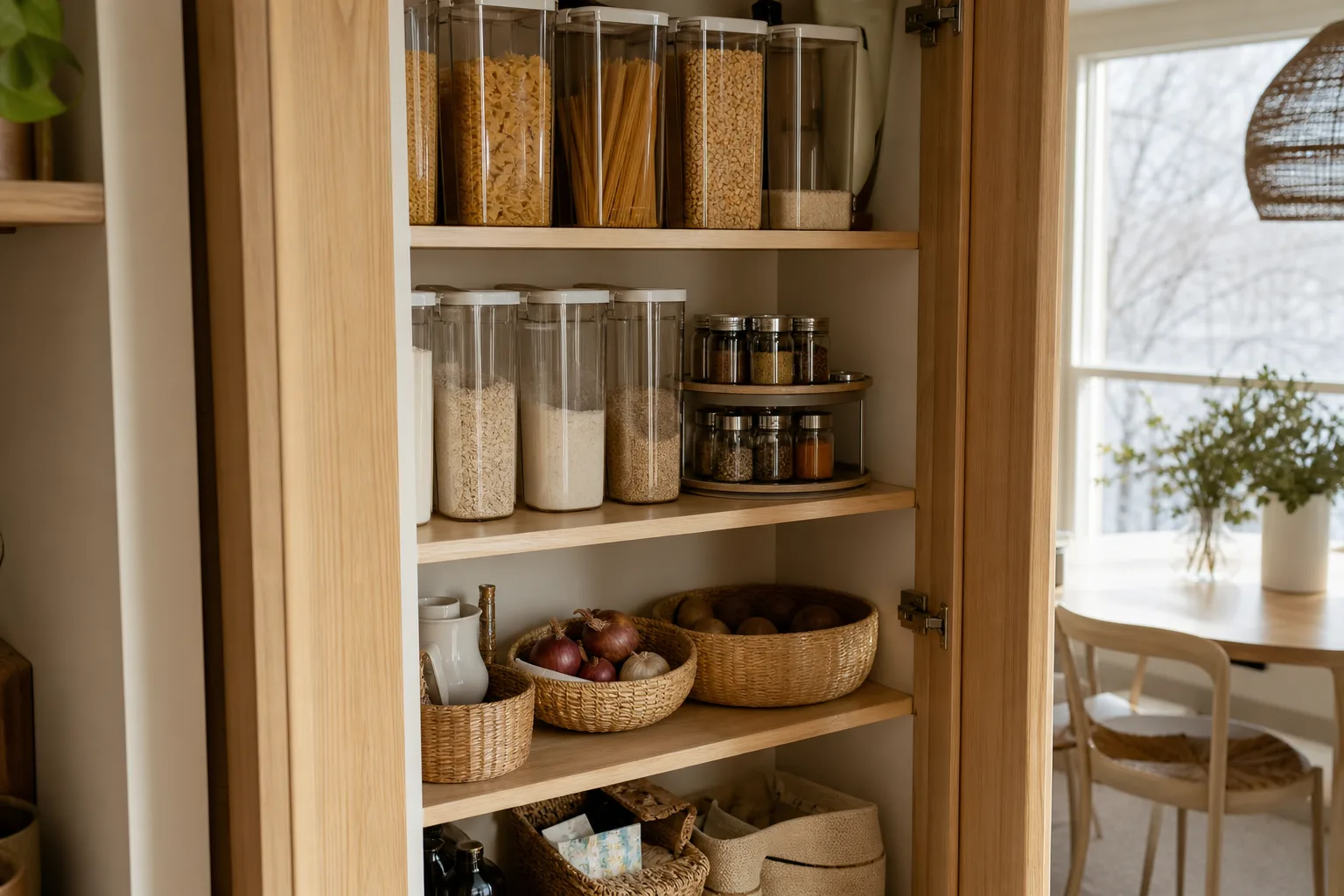
Quick answer: A good New Year pantry reset starts with emptying and editing, then moving the dry goods you use most into clear airtight containers you can see into. Add simple labels with the contents and, for flours and grains, a refill or best-by date, so the system still works in March and not only in January.
Top picks at a glance
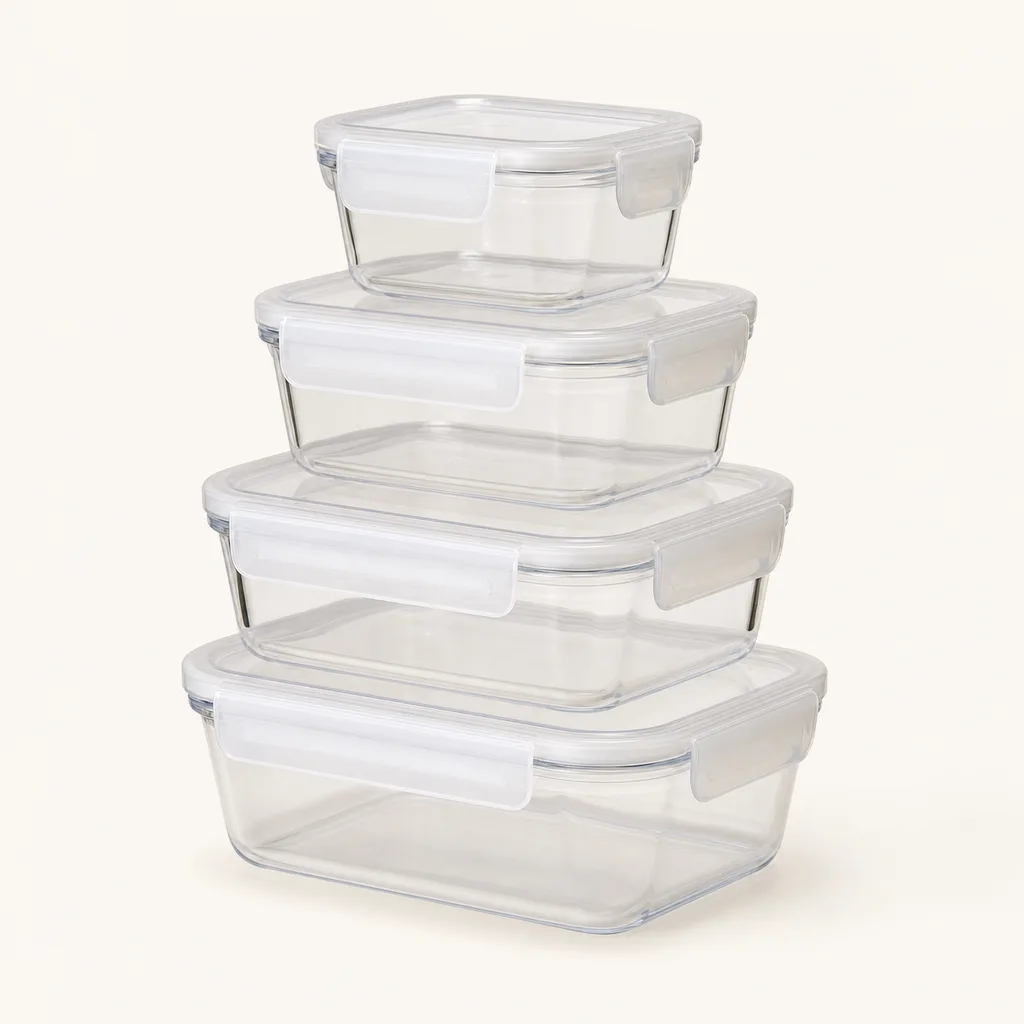
Clear airtight food storage container set with locking lids
- Pros: Matching square or rectangular containers sit flush against each other, so you lose far less shelf space than you do with round bags and boxes.
- Con: Big sets often come with sizes you won't use, so measure your shelf depth and height before you buy so the tall containers actually fit.
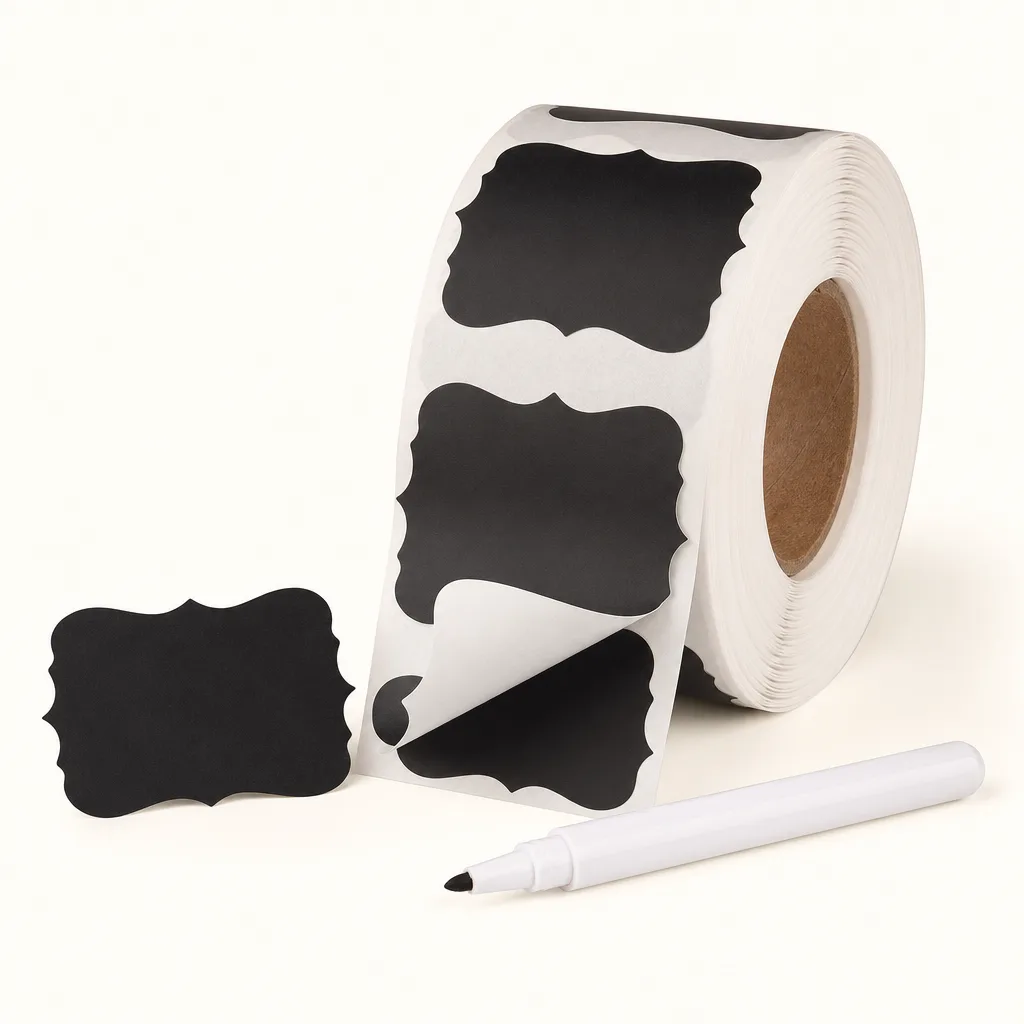
Removable pantry labels with chalk or wet-erase marker
- Pros: You can wipe off a label and rewrite it when a container switches from rice to lentils, so it doesn't have to stay matched to one food forever.
- Con: Some wet-erase ink smudges if a damp hand touches it, and adhesive labels can peel off containers that go through the dishwasher often.
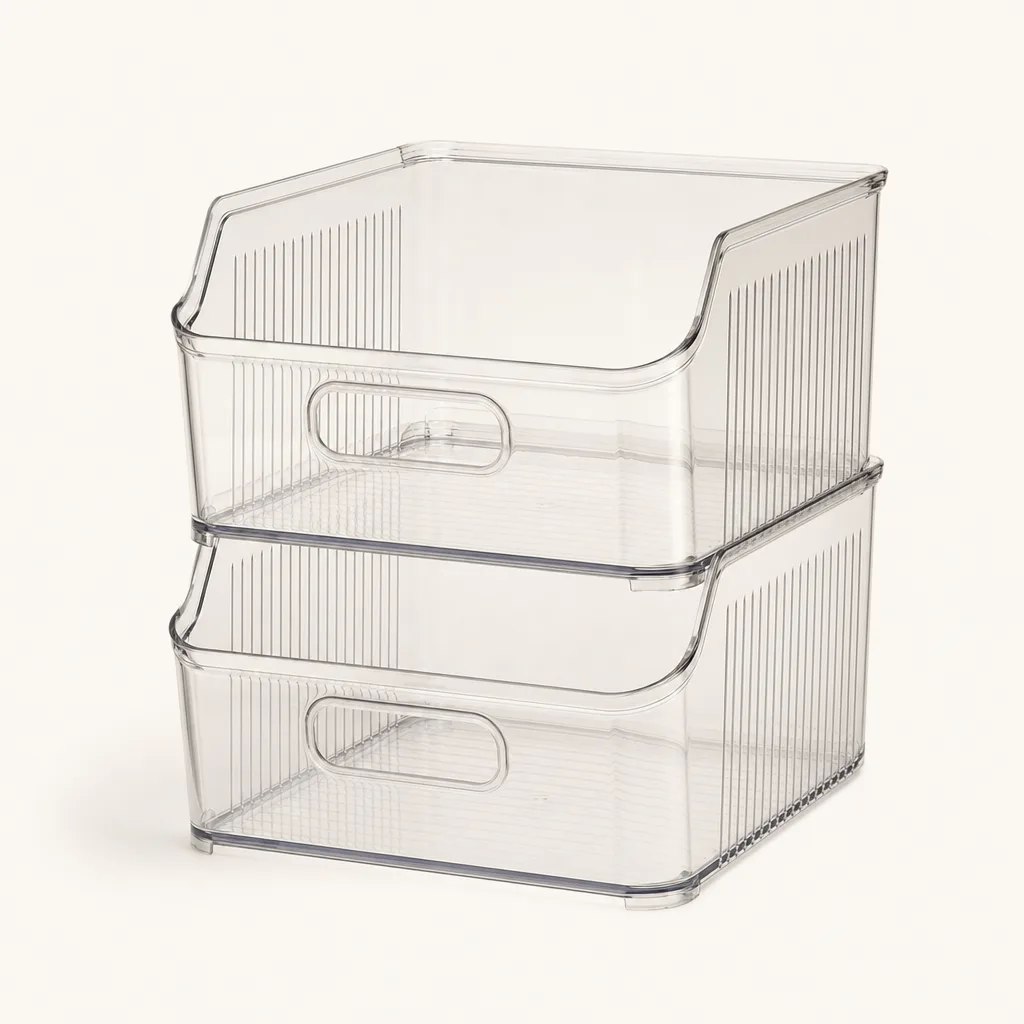
Stackable clear pantry bins with handles
- Pros: A bin works like a drawer on a deep shelf: you pull it out and reach the snacks or cans at the back without taking everything else out first.
- Con: Open bins don't keep out air or pests, so they're for packaged items, not loose flour or cereal.
Quick comparison
| Option | Why it works in a small home | Before you buy |
|---|---|---|
| Clear airtight food storage container set with locking lids | Matching square or rectangular containers sit flush against each other, so you lose far less shelf space than… | Big sets often come with sizes you won't use, so measure your shelf depth and height before you buy so the… |
| Removable pantry labels with chalk or wet-erase marker | You can wipe off a label and rewrite it when a container switches from rice to lentils, so it doesn't have to… | Some wet-erase ink smudges if a damp hand touches it, and adhesive labels can peel off containers that go… |
| Stackable clear pantry bins with handles | A bin works like a drawer on a deep shelf: you pull it out and reach the snacks or cans at the back without… | Open bins don't keep out air or pests, so they're for packaged items, not loose flour or cereal. |
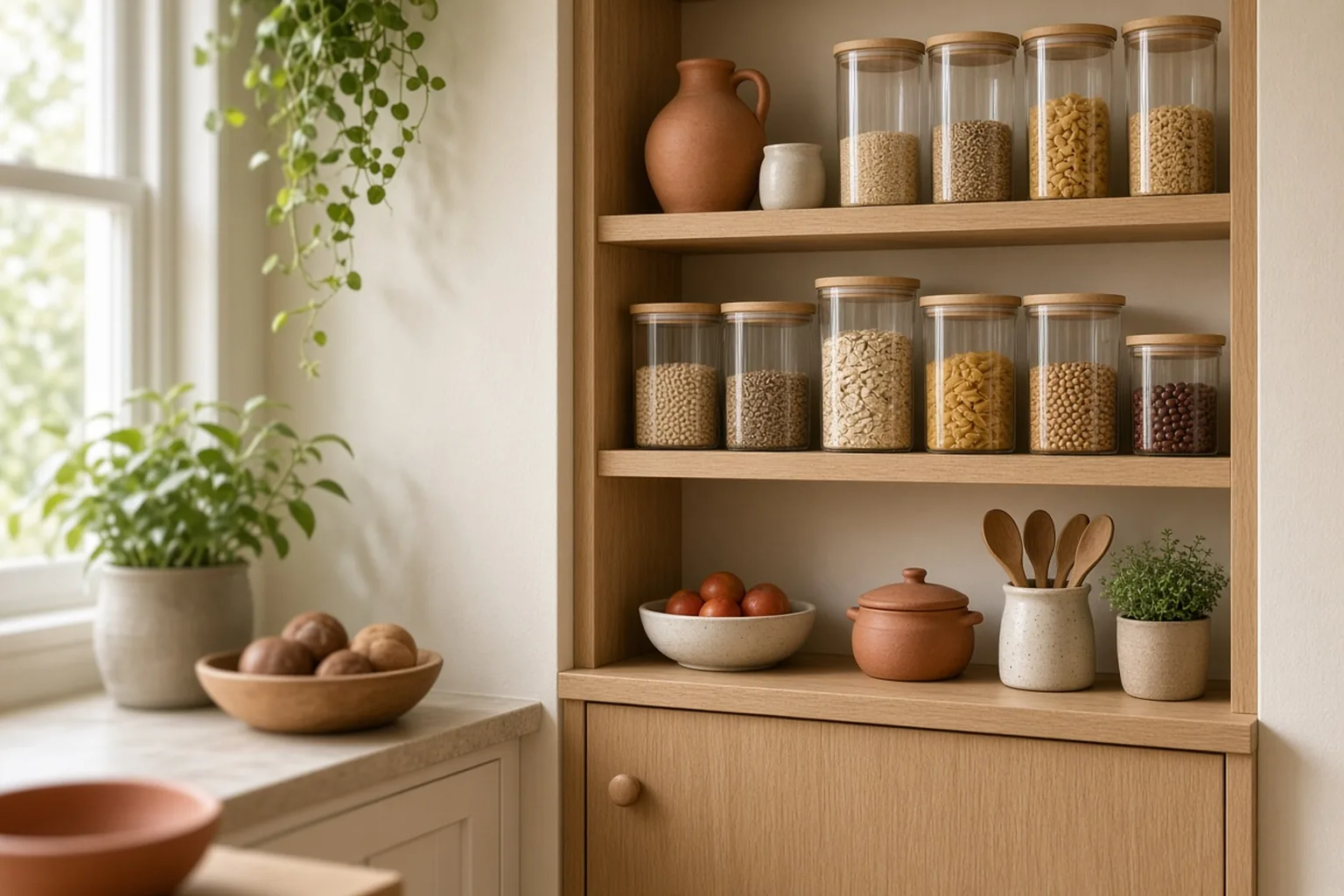
Start the reset by emptying, not shopping
It's tempting to buy containers on January 1 and pour everything into them, but the reset works better the other way around. Take everything off the shelves, wipe them down, and sort what you find into three piles: keep, use this week, and toss. Check dates, look for open bags that have gone stale, and gather up the duplicates, like the three half-used bags of brown sugar most small kitchens seem to collect. Then write down the dry goods you actually buy again and again. That short list tells you how many airtight containers you need and in what sizes. In a small pantry, a modest set chosen for your real habits beats a 24-piece set where half the containers sit empty. For more ideas on making the most of tight cabinets, browse our kitchen organization guides.
Choosing clear containers that fit a small pantry
Shape matters more than looks. Square and rectangular containers use the corners of a shelf, while round jars leave gaps between them. Measure your shelf depth and the clearance between shelves, then pick heights that leave a couple of inches to lift a lid or tip the container out. Locking or silicone-sealed lids are worth having for flour, sugar, cereal and anything a pantry moth might find. Pick one container style and stick with it, because matching lids stack neatly and you won't be hunting for the lid that fits. Lightweight BPA-free plastic is easier to handle on a high shelf, while glass is heavier but won't hold onto smells. If you buy a flour or sugar bag in a standard size, check that it fits in one container, so you aren't left with a leftover half-cup in the bag.
Labels that keep the system working
Clear containers show you what's inside, but they don't tell you oat flour from whole wheat or when the rice went in. A good label answers two questions: what is it, and how old is it. Put the label on the front of the container, low enough to read when the shelf is above eye level. For staples that sit in the pantry for a while, write the refill date or copy the best-by date from the original package. Some people tape the cooking instructions inside the lid before throwing the box away, which works well for grains and pasta. Removable labels are the most practical choice in a small home, where containers often change jobs. If you'd rather use a label maker, pick a simple, readable font. A matching look is nice, but legibility is what keeps a pantry organized past February.
Zones, bins and the shelves you reach most
Once things are in containers and labeled, group them into zones based on how you cook: breakfast, baking, pasta and grains, snacks, and canned goods. Put the zone you use every day at eye level and keep the heavy, rarely used items on the bottom shelf. Clear bins with handles help on deep shelves, so the back of the pantry isn't where food goes to be forgotten. A turntable works well in a corner for oils, vinegars or spices. If your pantry is just a single cabinet, add a slim riser shelf to double the usable surface for cans. Keep one small bin labeled 'use first' for open packages and anything close to its date, so it's easy for everyone in the household to see. These small habits are covered in more detail across our kitchen hub.
Our take
A New Year pantry reset doesn't have to be a big makeover. For most small homes, the best buy is a modest set of square airtight containers for the five to eight staples you use most, plus removable labels you can rewrite when things change. Add one or two clear bins for packaged snacks and cans on deep shelves, and stop there. Fill the containers only with what you actually eat, label every one with contents and a date, and leave a little empty space so restocking is easy. The real test comes in March, when you can see at a glance that you're low on rice before you buy a fourth bag of pasta. If the system makes that easy, it's working. If it starts to slip, a ten-minute tidy once a month is usually enough to fix it.
FAQ
Do I need to decant everything into clear containers?
No. Decant loose staples like flour, sugar, rice, oats and cereal, and keep cans, jars and small packets in their original packaging, grouped in bins.
How do I keep track of expiration dates after decanting?
Write the best-by date from the original package on a removable label on the container, or cut out the date and tape it inside the lid.
Are clear plastic or glass containers better for a small pantry?
Plastic is lighter and safer on high shelves, while glass resists smells and stains but adds weight, so many people use plastic up high and glass at counter level.
Keep reading
Related guides
Kitchen
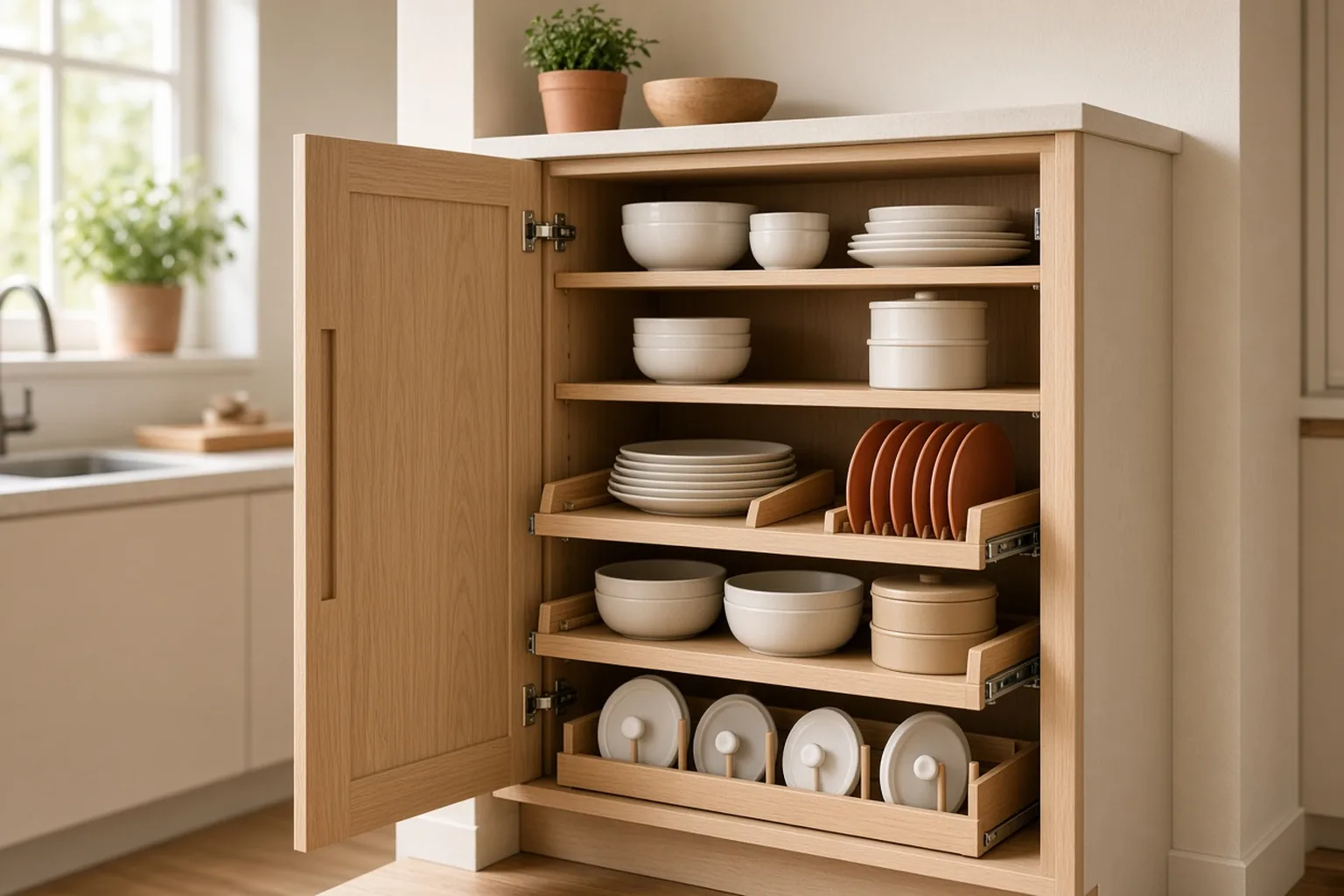
Best Kitchen Cabinet Organizers for Small Kitchens
An honest buying guide to kitchen cabinet organizers for small kitchens: pull-out shelves, lazy Susans, stacking shelves and what actually fits tight cabinets.
Kitchen
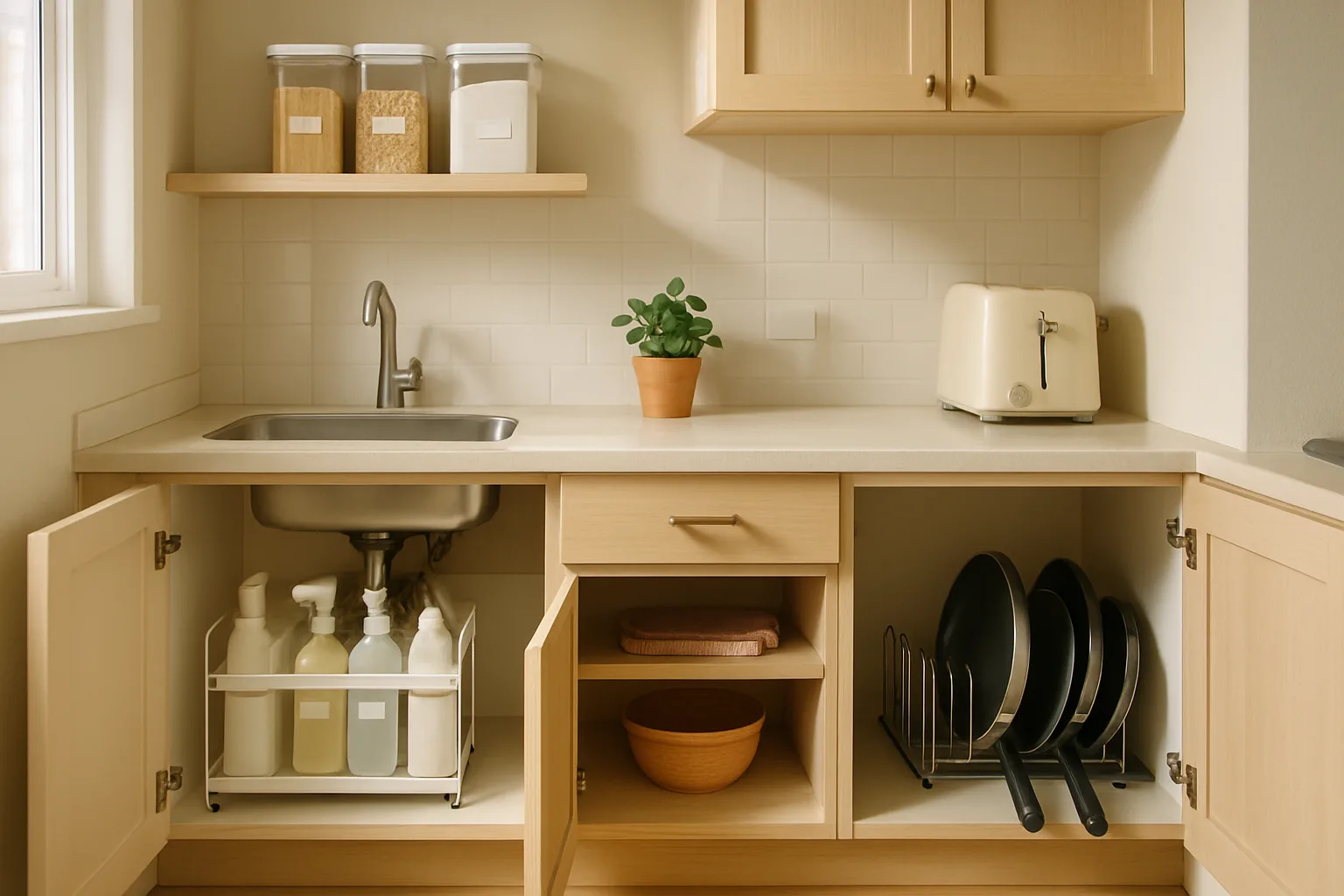
Black Friday Kitchen Storage Deals 2026: What's Worth Buying
Black Friday kitchen storage deals for 2026, filtered for small kitchens: what's worth buying, what to skip, and how to measure before you click.
Kitchen
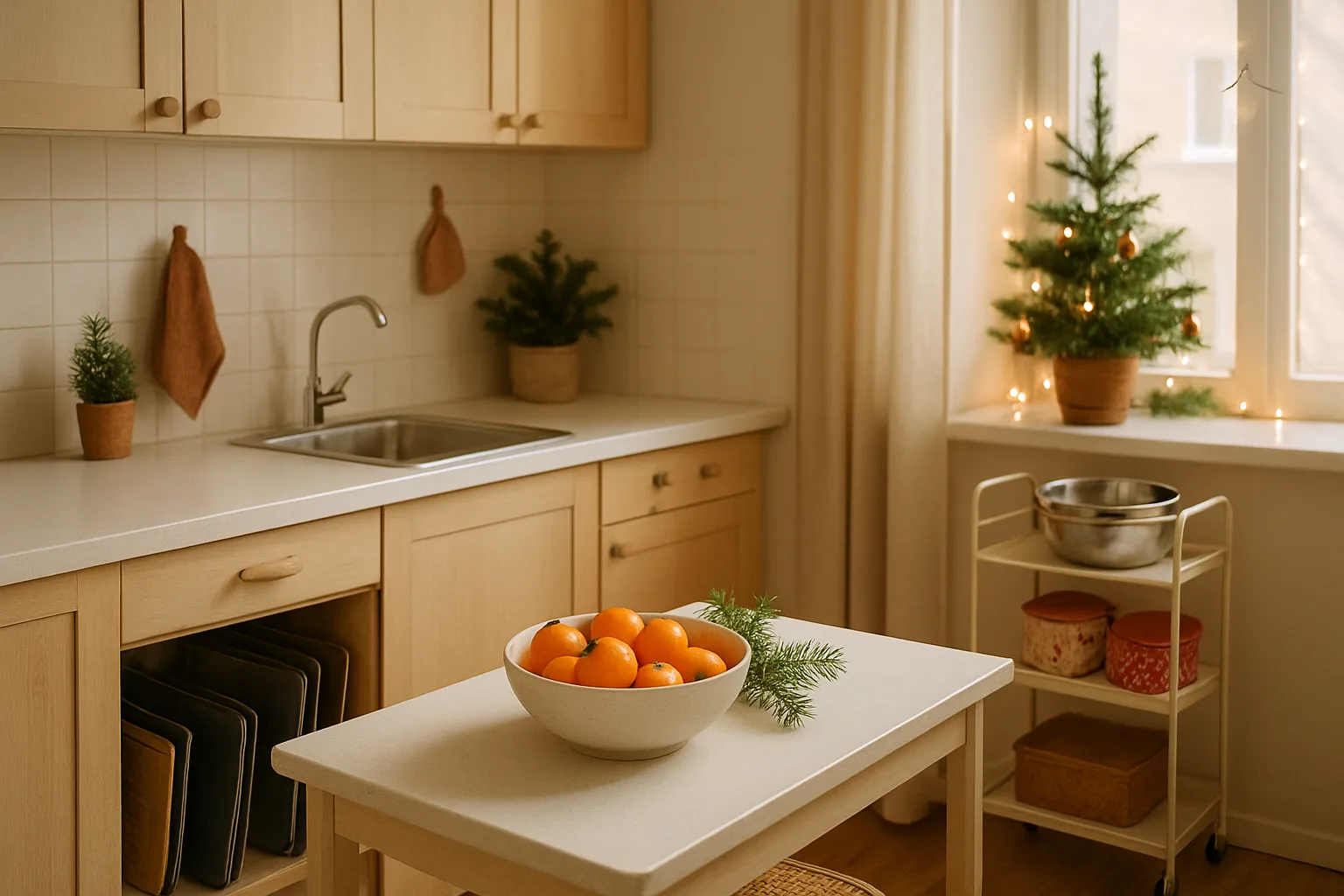
Christmas Kitchen Organization Ideas for Small Homes
Practical christmas kitchen organization ideas for small kitchens: clear the counters, store bakeware and host a holiday meal without the chaos.