Best Kitchen Cabinet Organizers for Small Kitchens
Updated September 2026
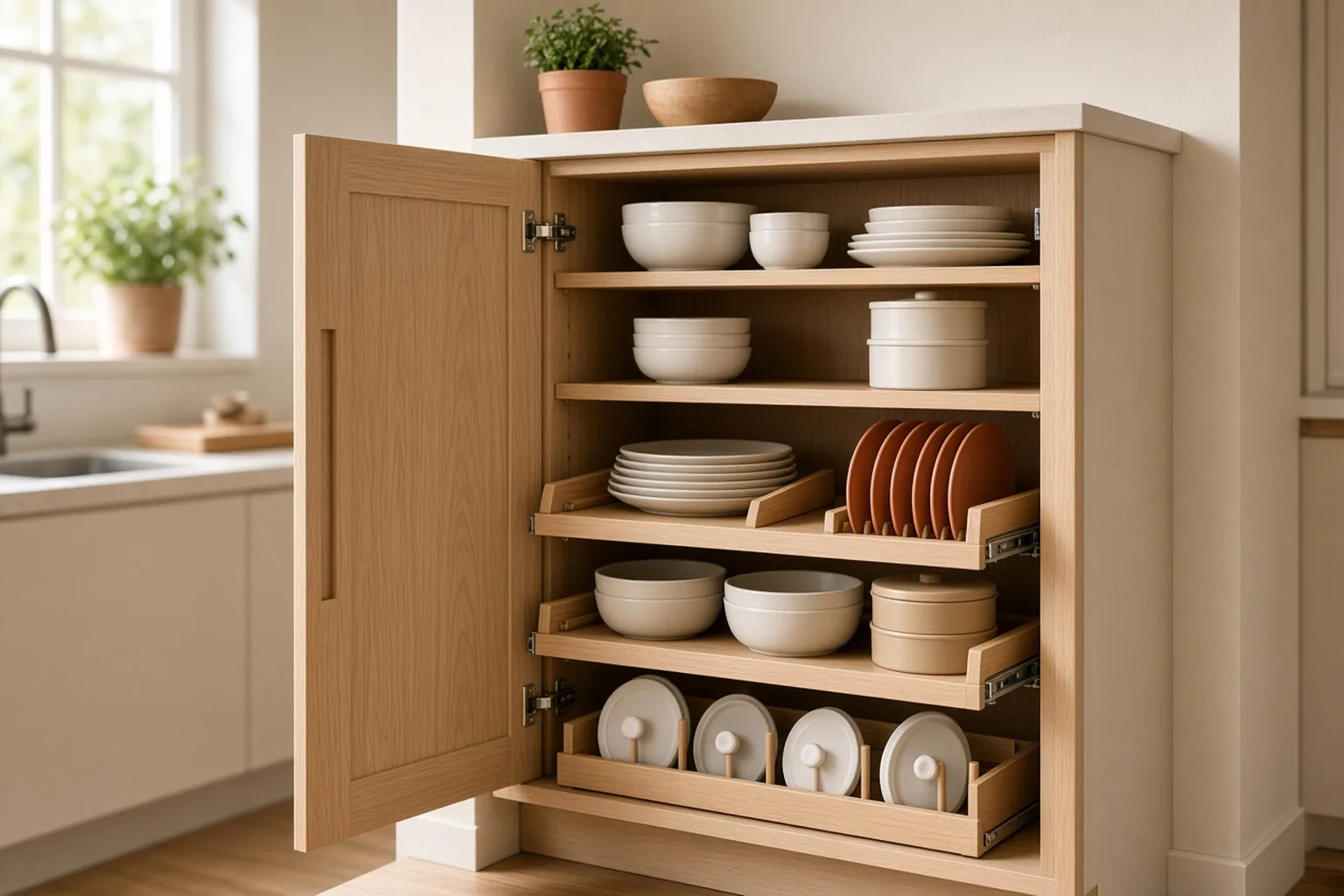
Quick answer: Small kitchens waste more space in cabinets than anywhere else in the house — mostly because cabinets are designed for a "standard" kitchen, not for the awkward 24-inch base cabinet or the narrow upper cabinet you actually have. Before buying anything, measure your cabinet's interior width, depth and shelf spacing.
Top picks at a glance
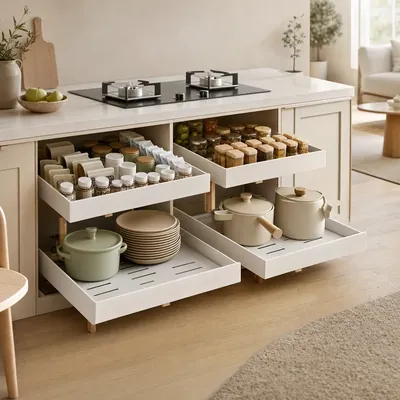
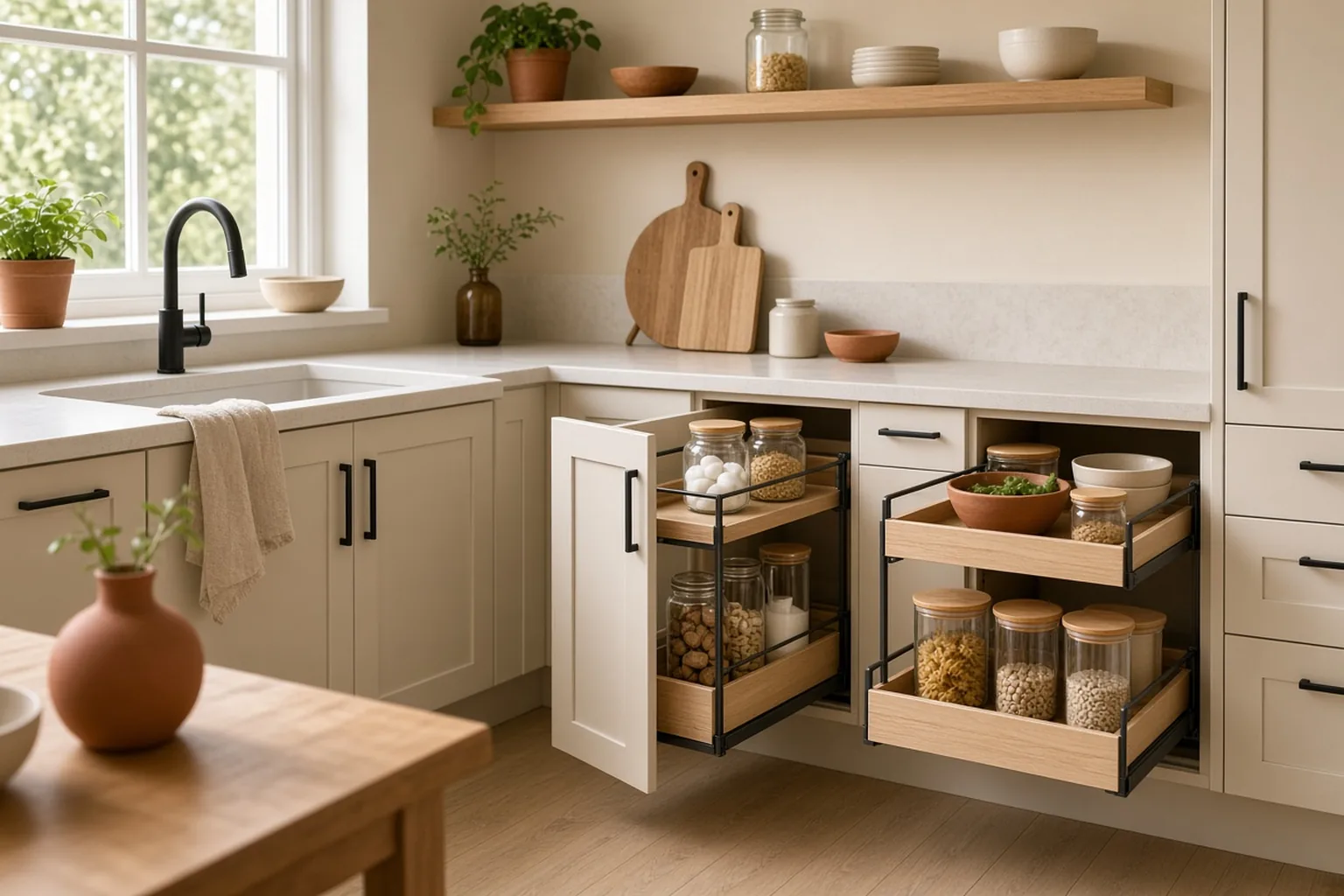
Pull Out Cabinet Shelf Organizer
- Pros: Pull-out shelves turn a deep, dark base cabinet into something you can actually see into.
- Pros: Slides the contents to you, so the deep back of the cabinet or drawer is finally usable.
- Con: Needs a level cabinet floor and the right interior width; measure before ordering.
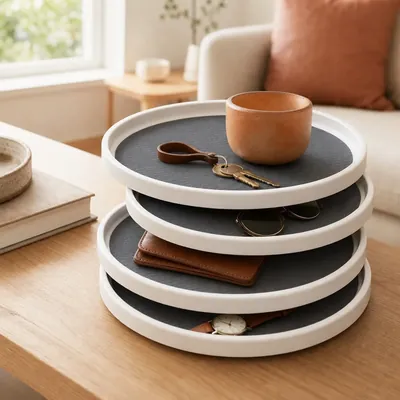
Lazy Susans / turntables (best for corner cabinets)
- Pros: Corner cabinets are the single worst-organized space in most small kitchens.
- Pros: Brings the back of the cabinet to the front with one spin.
- Con: Tall bottles tip when spun fast; match the diameter to the cabinet.
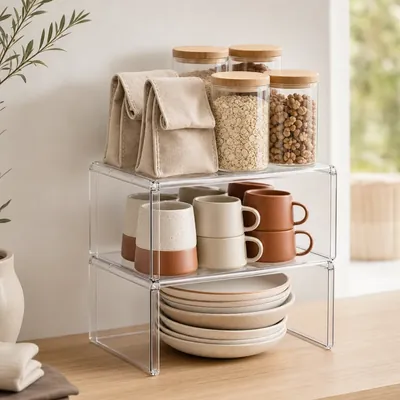
Stacking shelf risers (cheapest, most flexible)
- Pros: A simple stacking riser doubles your usable shelf space for plates, bowls or canned goods without any installation.
- Pros: Doubles the usable height of a shelf and keeps the back row visible.
- Con: Check the shelf spacing above; a riser needs at least 5 to 6 inches of headroom.
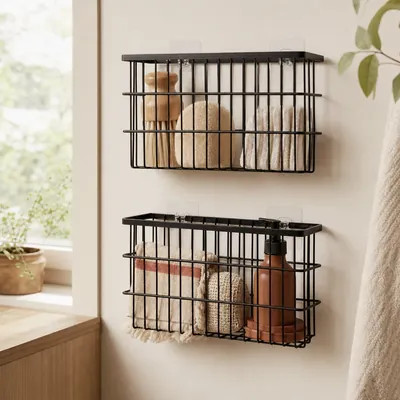
Door-mounted racks (best for lids, wraps and cutting boards)
- Pros: Adhesive or over-the-door racks use the one part of the cabinet nobody organizes: the inside of the door.
- Pros: Chosen for small spaces: compact footprint and a size that fits standard shelves and closets.
- Con: Measure the space first and check the load rating; returns are the most common mistake with organizers.
Quick comparison
| Option | Best for | Before buying |
|---|---|---|
| Pull Out Cabinet Shelf Organizer | Best overall | Check fit and load rating |
| Lazy Susans / turntables (best for corner cabinets) | Best for flexibility | Check fit and load rating |
| Stacking shelf risers (cheapest, most flexible) | Best for limited space | Check fit and load rating |
| Door-mounted racks (best for lids, wraps and cutting boards) | Best for comparison | Check fit and load rating |
What actually matters when choosing a cabinet organizer
- Interior clearance, not cabinet door size. A pull-out shelf needs a few inches of side clearance to slide freely — check for hinges or shelf lips that eat into that space.
- Weight rating. Cheap wire pull-outs sag under a stack of cast iron pans. Look for a stated weight rating, not just "heavy duty" in the title.
- Material and cleanability. Coated wire and bamboo are easy to wipe down; raw wood absorbs spills and stains near the stove.
- Whether it's adjustable. Fixed-height stacking shelves are cheaper but only work if your cabinet spacing matches. Adjustable risers cost more but survive a move to a new kitchen.
Our take
If you only buy one thing: start with a set of stacking shelf risers for your dish cabinet — they're inexpensive, need no installation, and tell you right away whether more elaborate (and expensive) systems are worth it for your specific cabinets. Save pull-out shelves and lazy Susans for the cabinets that bother you the most after that.
FAQ
What should I measure before buying?
Measure the usable width, depth, height, clearance, and the load the organizer must carry before ordering.
Which option is best for a small space?
Choose the product that solves the main bottleneck while leaving doors, walkways, and everyday access clear.
How do I avoid a return?
Check assembled dimensions, installation requirements, weight limits, and the retailer return policy before buying.
Keep reading
Related guides
Kitchen
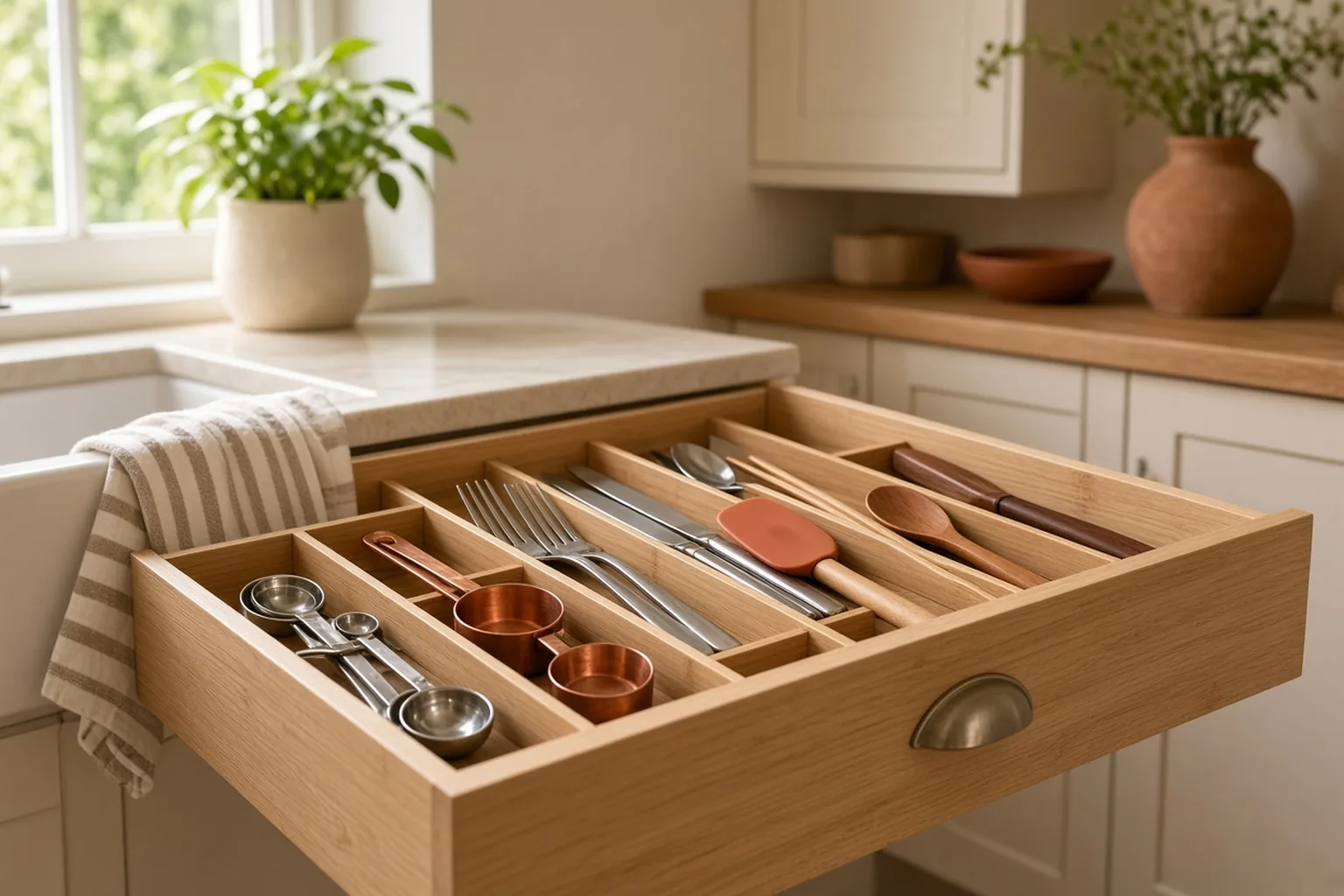
Drawer Dividers Buying Guide: Types and What to Look For
Learn which drawer divider types suit your kitchen, what features matter, and how to choose a practical fit for everyday storage.
Kitchen
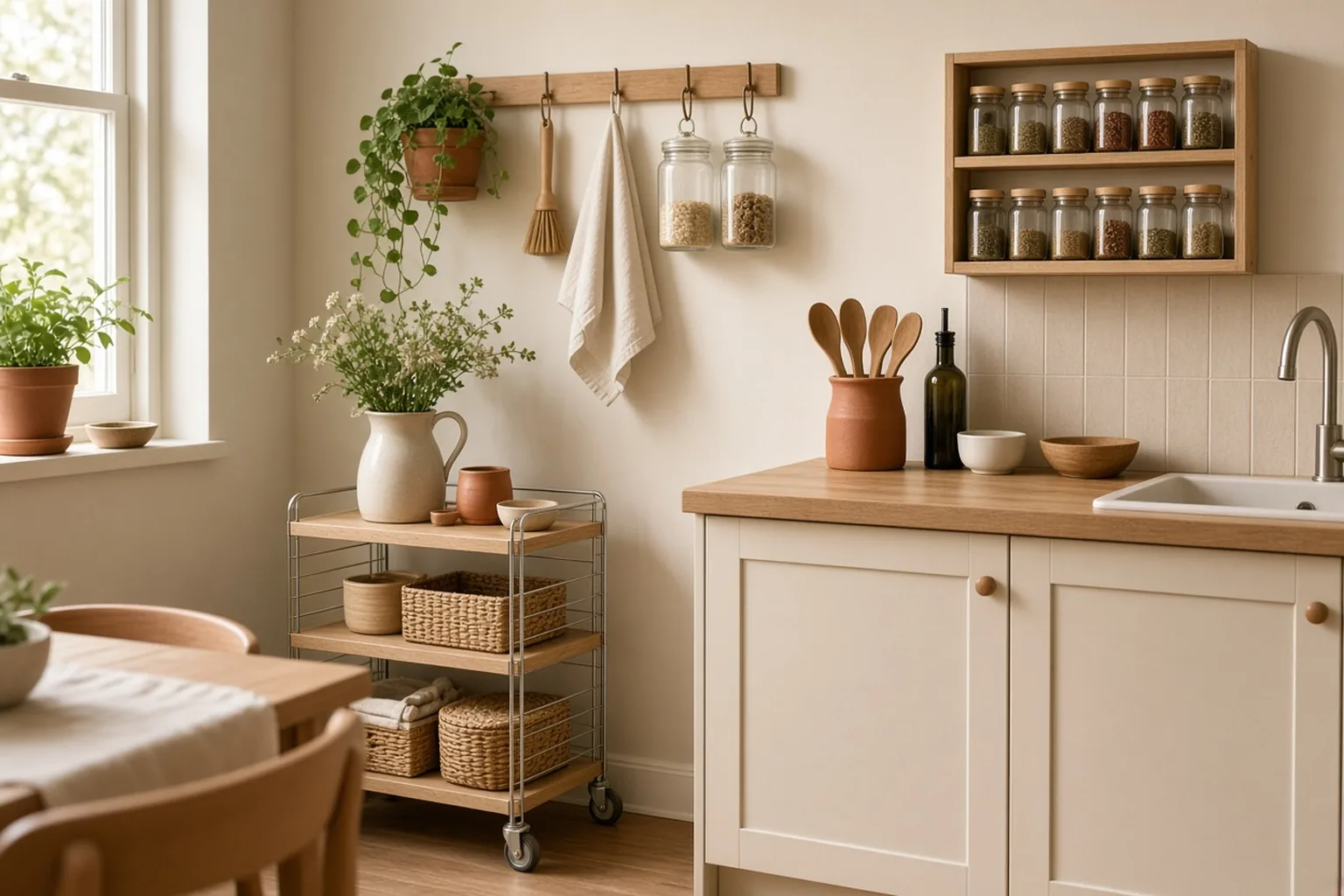
How to Organize a Small Apartment Kitchen
Organize a small apartment kitchen by mapping work zones, reducing duplicates, using vertical storage, and keeping counters functional.
Kitchen
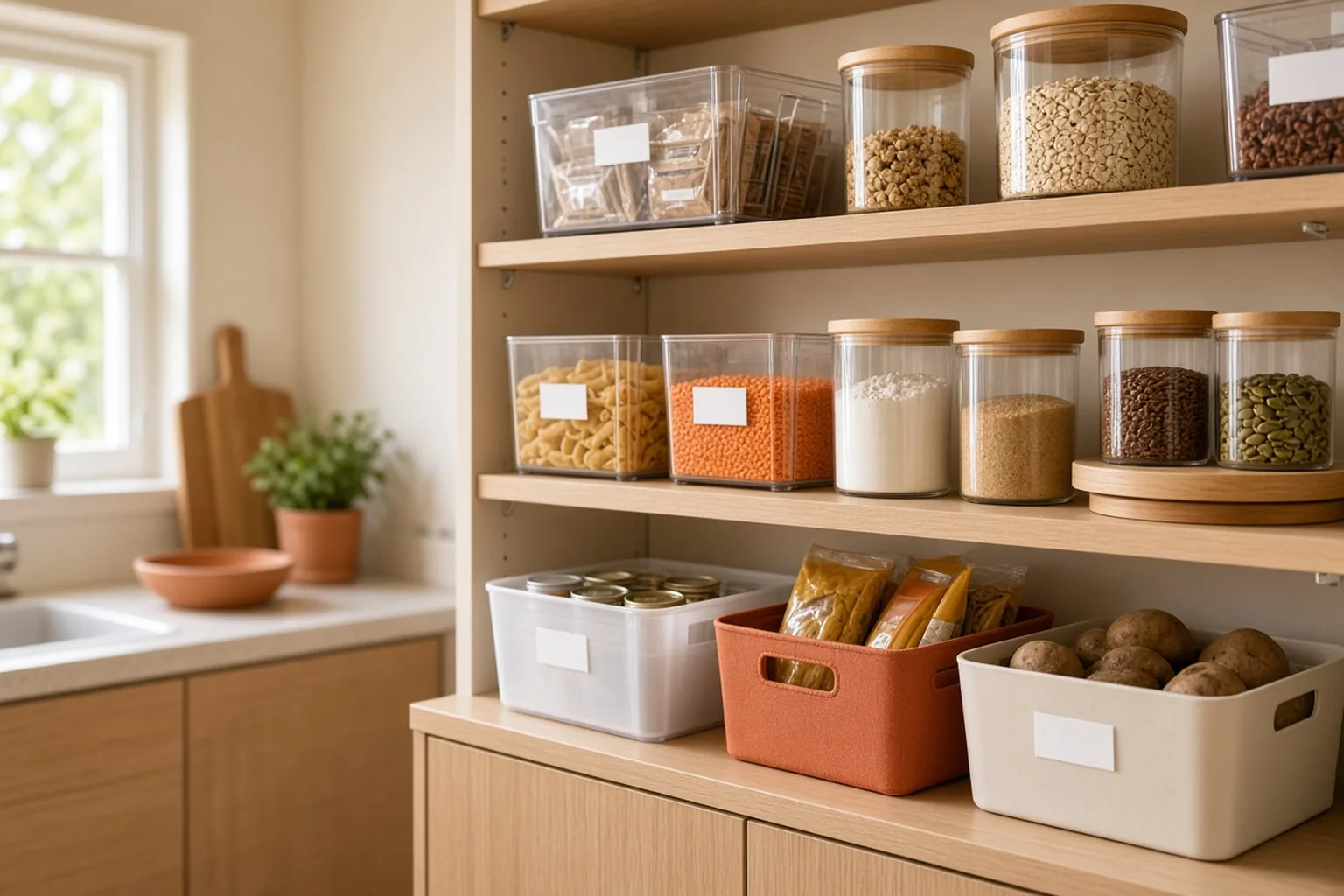
Pantry Organization Ideas on a Budget
A practical guide to budget pantry organization, including containers, risers, racks, and what to look for before buying.