Pantry Organization Ideas on a Budget
Updated September 2026
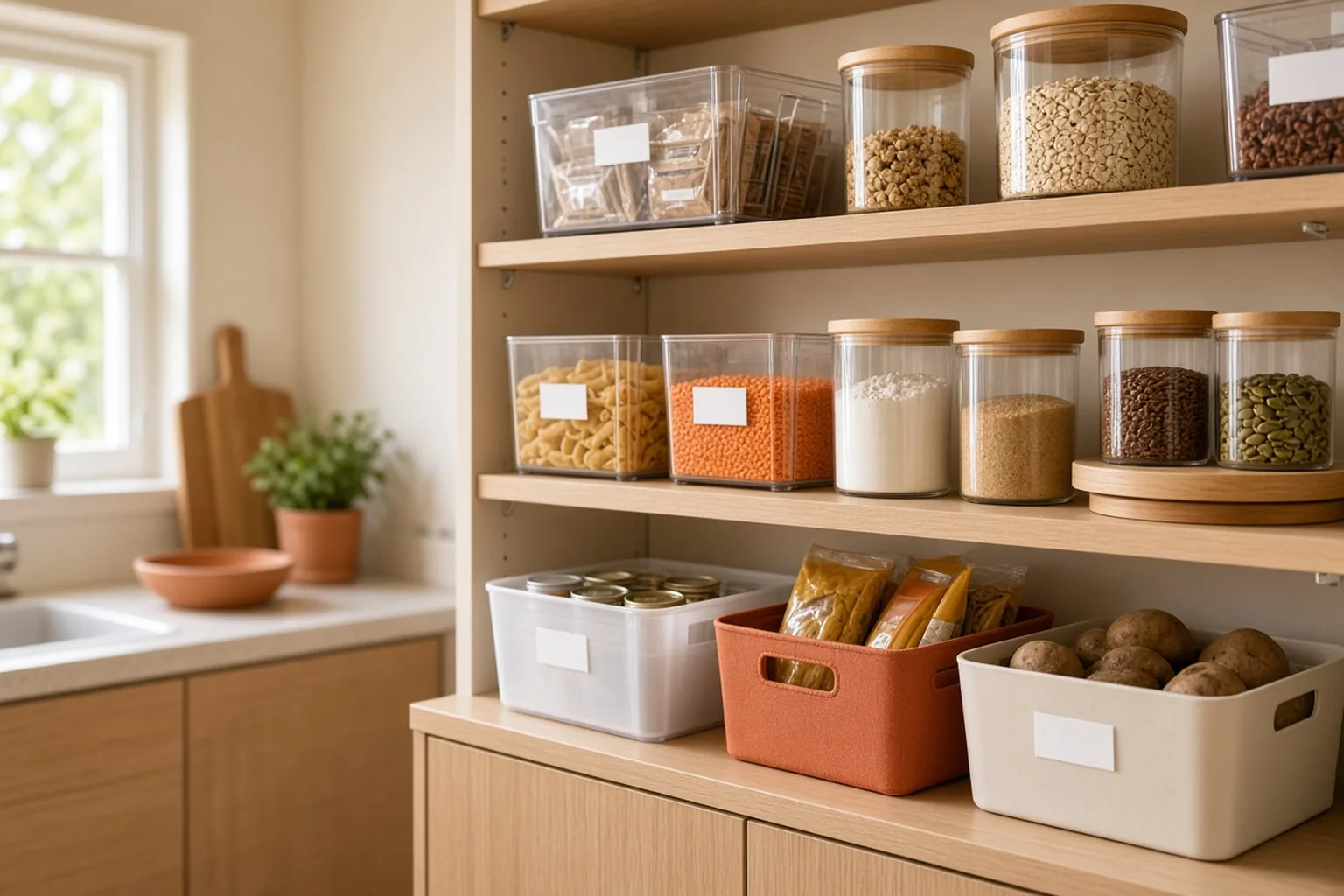
Quick answer: A pantry does not need matching containers or a complete makeover to work better. The biggest problems are usually simple: food gets pushed to the back, open packages collapse, and shelves leave unused vertical space.
Top picks at a glance
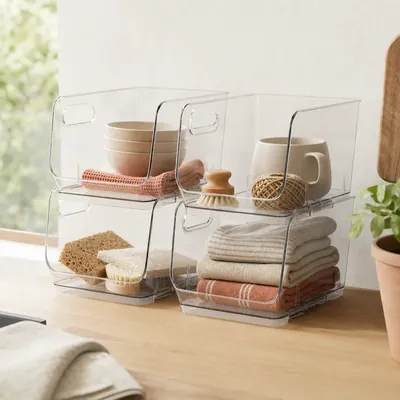
Stackable Pantry Storage Bins
- Pros: Stackable bins are useful for grouping small, loose, or awkward packages such as snack bags, baking supplies, and packets.
- Pros: Airtight and see-through, so you know the level before you shop.
- Con: Lids need their own bin, and matching sets take more shelf than the bags they replace.
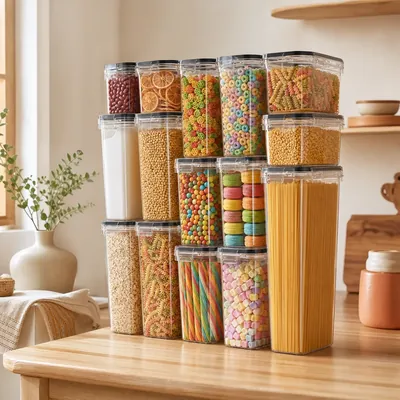
Food storage containers
- Pros: Containers with fitted lids can help keep dry goods together, protect partially used ingredients, and make shelf contents more uniform.
- Pros: Airtight and see-through, so you know the level before you shop.
- Con: Lids need their own bin, and matching sets take more shelf than the bags they replace.
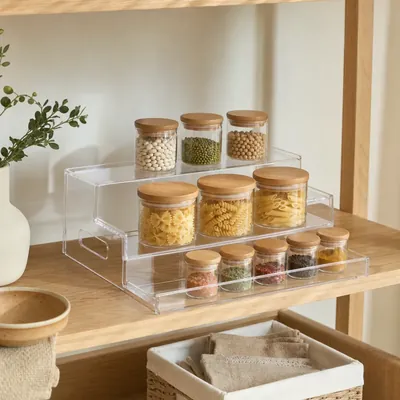
Shelf risers and can organizers
- Pros: Risers and can organizers use vertical space so the back row of food is not hidden behind the front row.
- Pros: Doubles the usable height of a shelf and keeps the back row visible.
- Con: Check the shelf spacing above; a riser needs at least 5 to 6 inches of headroom.
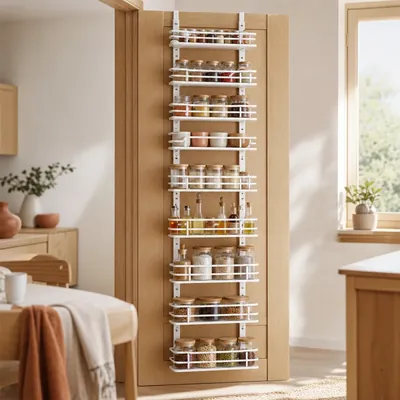
Door and wall storage
- Pros: Over-the-door racks and adhesive or mounted shelves can add storage where a pantry has unused vertical surfaces.
- Pros: Modular sizes stack and label, so the same bins work in any room.
- Con: Measure the shelf depth and count the lids; opaque bins need labels to stay useful.
Quick comparison
| Option | Best for | Before buying |
|---|---|---|
| Stackable Pantry Storage Bins | Best overall | Check fit and load rating |
| Food storage containers | Best for flexibility | Check fit and load rating |
| Shelf risers and can organizers | Best for limited space | Check fit and load rating |
| Door and wall storage | Best for comparison | Check fit and load rating |
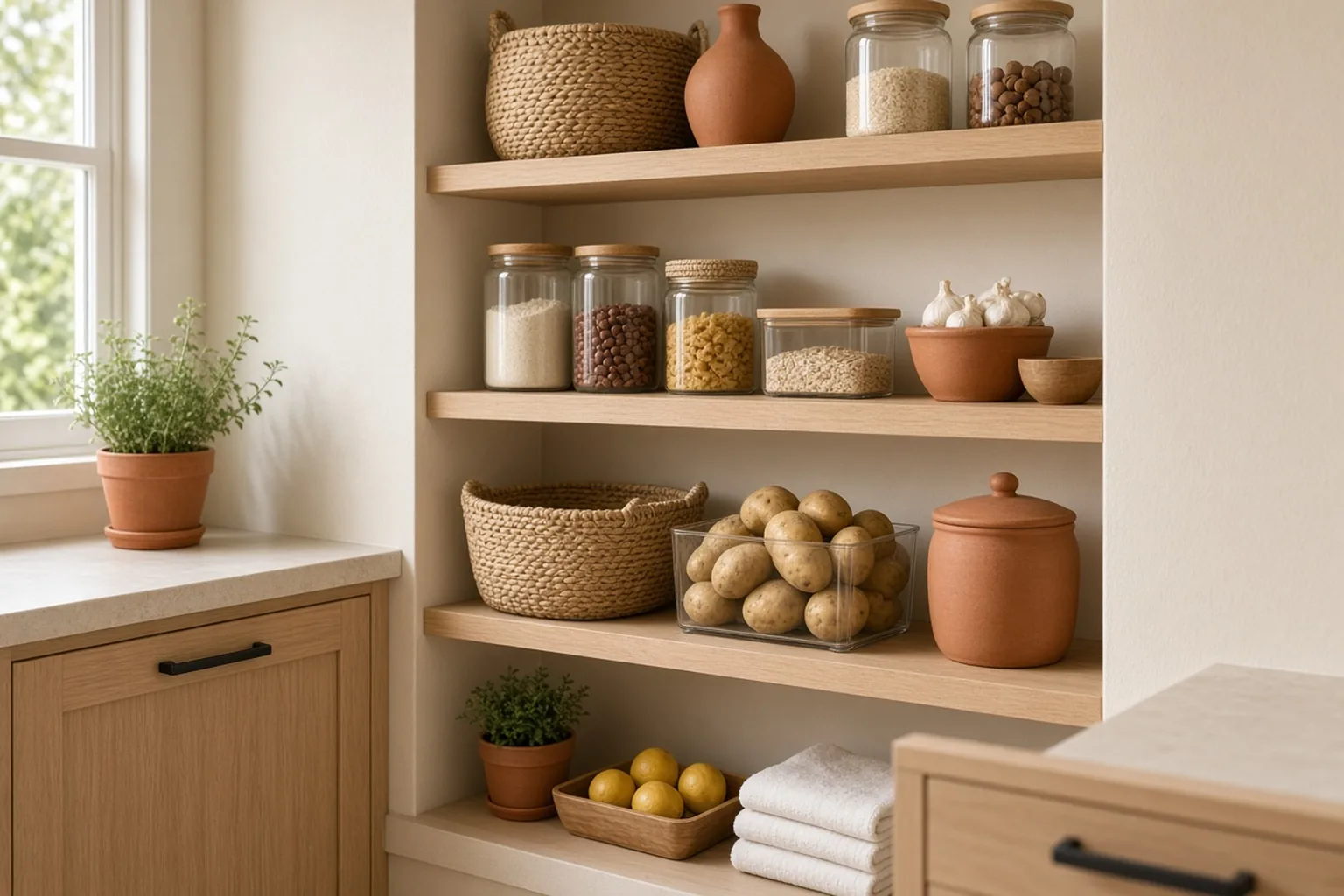
What actually matters when choosing pantry organization
- Dimensions. Measure shelf width, depth, and height, including the space between shelves and around the door. An organizer that technically fits but blocks the door or leaves no room to remove items is not a practical bargain.
- Visibility. Look for clear fronts, open sides, labels, or a design that lets you see the contents without unloading a whole shelf. Better visibility can reduce duplicate purchases and forgotten food.
- Access and stability. Bins should be comfortable to pull, while risers and racks should stay steady under the weight you plan to store. Smooth edges and sturdy handles matter more than decorative details.
- Cleaning and flexibility. Pantry spills happen. Choose surfaces that can be wiped easily, and favor pieces that can be reused for different categories if your storage needs change.
Our take
Start with the area that frustrates you most, rather than trying to organize the entire pantry in one weekend. If items disappear on deep shelves, try one open bin or a riser first. If open packages are the problem, add a small number of containers in sizes you will use often. Keep a little empty space so groceries can be put away without reshuffling everything, and label only categories that genuinely need a reminder. If you buy just one thing, choose the organizer that improves visibility and access for your most-used shelf. A modest, flexible setup is easier to maintain than a perfectly matched system that leaves no room to change.
FAQ
What should I measure before buying?
Measure the usable width, depth, height, clearance, and the load the organizer must carry before ordering.
Which option is best for a small space?
Choose the product that solves the main bottleneck while leaving doors, walkways, and everyday access clear.
How do I avoid a return?
Check assembled dimensions, installation requirements, weight limits, and the retailer return policy before buying.
Keep reading
Related guides
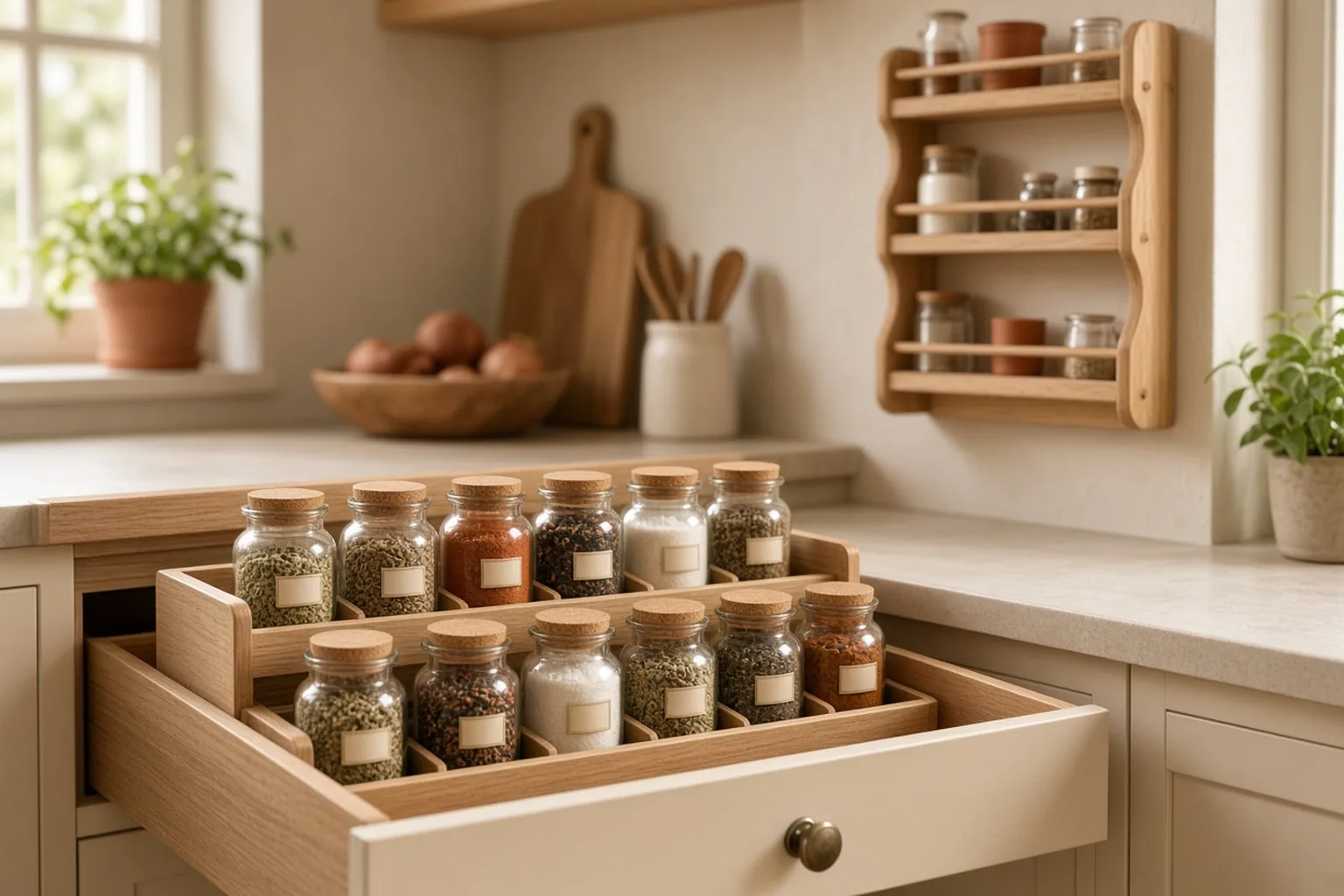
Kitchen
Spice Rack Organization: Wall, Drawer or Cabinet?
Compare wall, drawer, cabinet and tiered spice storage to choose an organized setup that fits your kitchen.
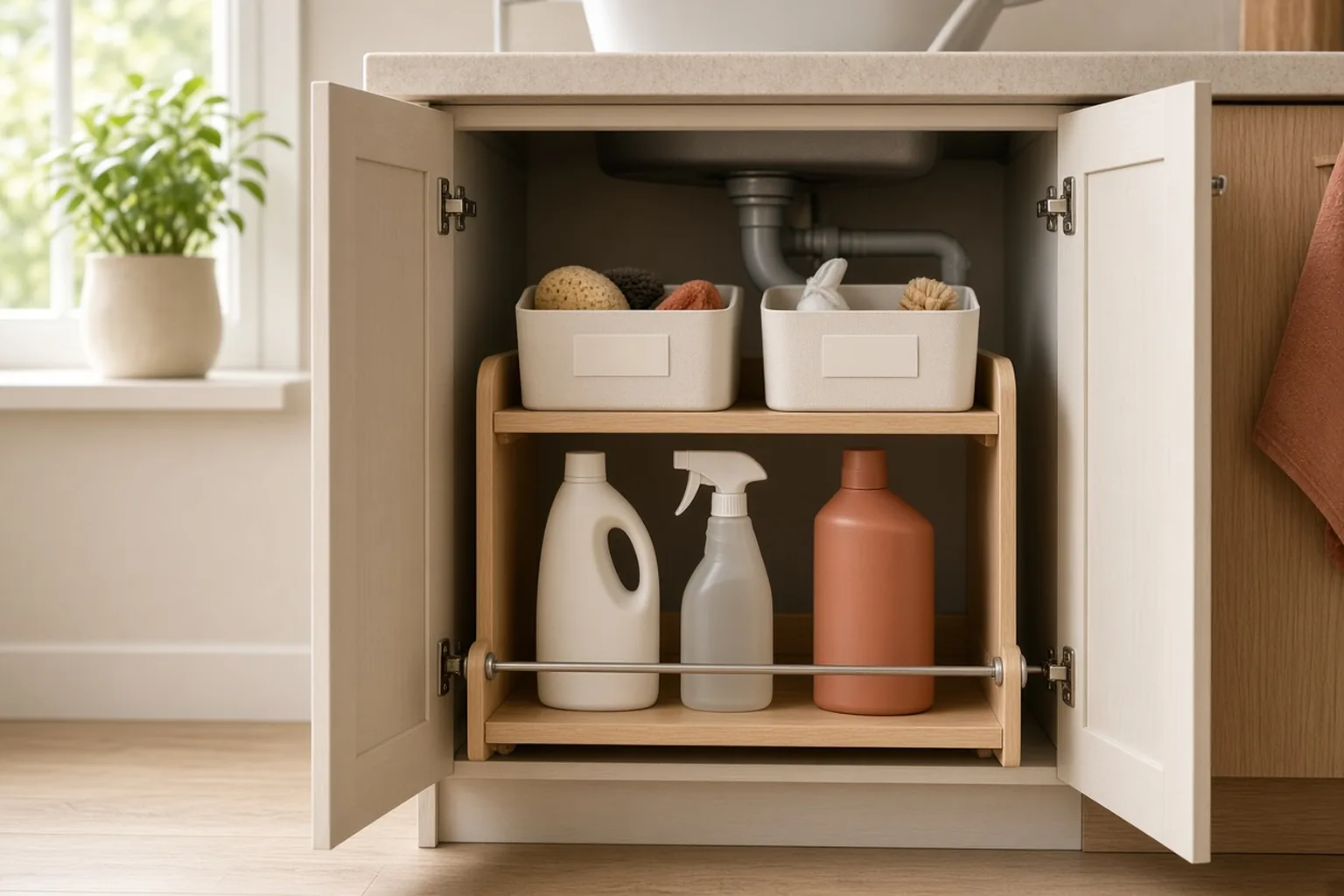
Kitchen
Under-Sink Storage Solutions That Actually Work
Compare under-sink storage types and learn what to measure, avoid, and prioritize for a cleaner, more usable kitchen cabinet.
Kitchen
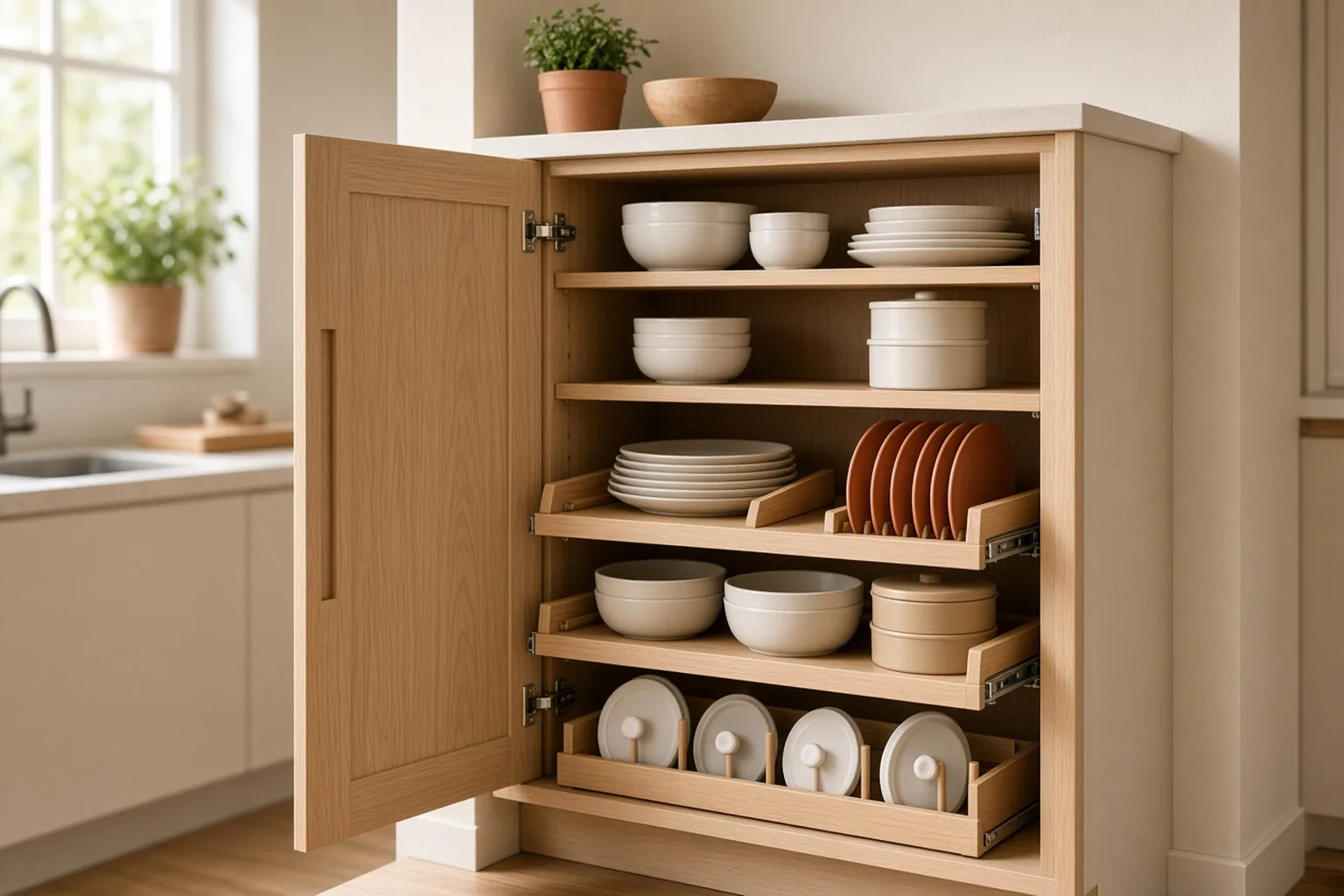
Best Kitchen Cabinet Organizers for Small Kitchens
An honest buying guide to kitchen cabinet organizers for small kitchens: pull-out shelves, lazy Susans, stacking shelves and what actually fits tight cabinets.