Kitchen · Field guide
How to Organize a Small Apartment Kitchen
Organize a small apartment kitchen by mapping work zones, reducing duplicates, using vertical storage, and keeping counters functional.
Updated August 2026
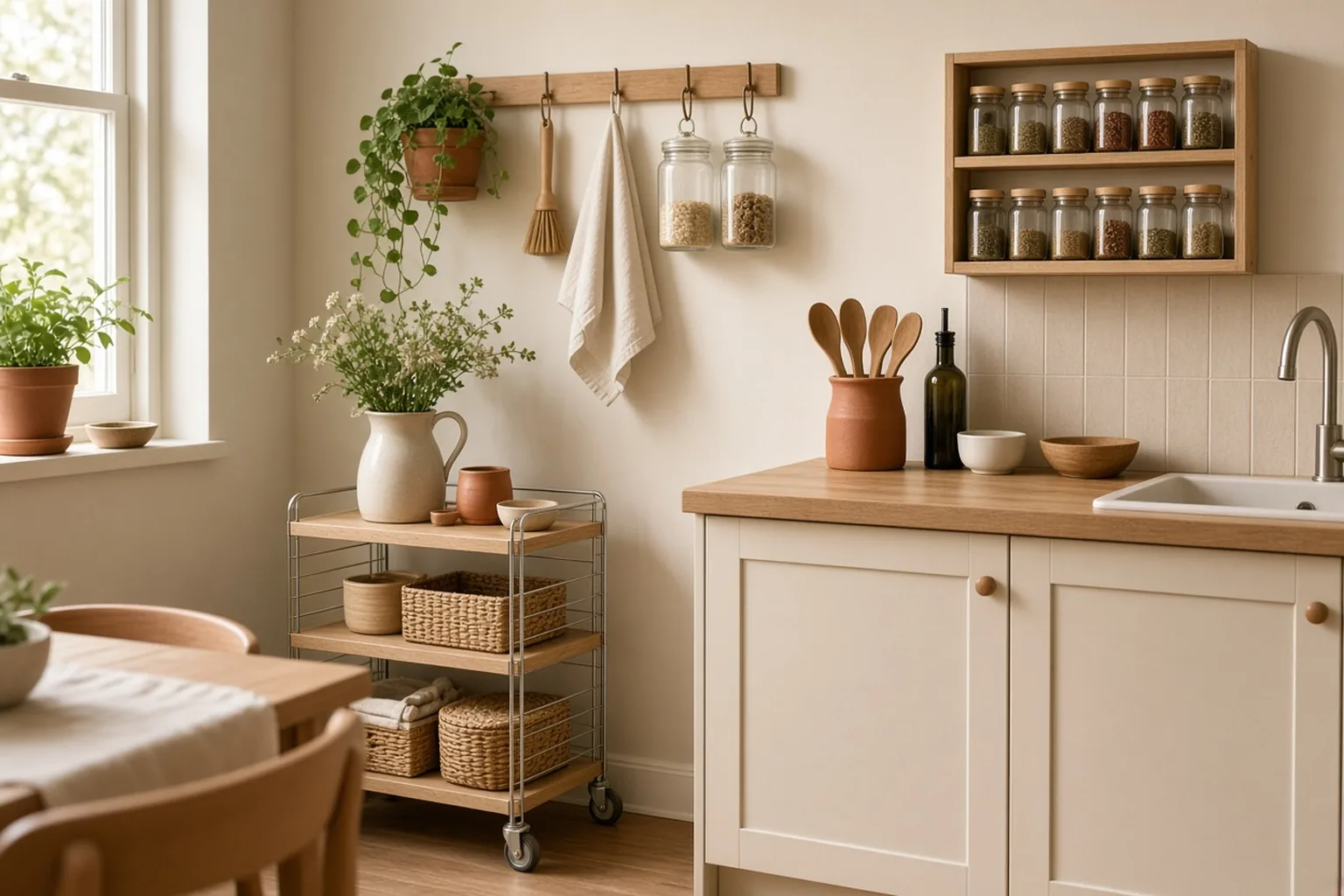
Quick answer: Organize a small apartment kitchen by mapping work zones, reducing duplicates, using vertical storage, and keeping counters functional.
Top picks at a glance
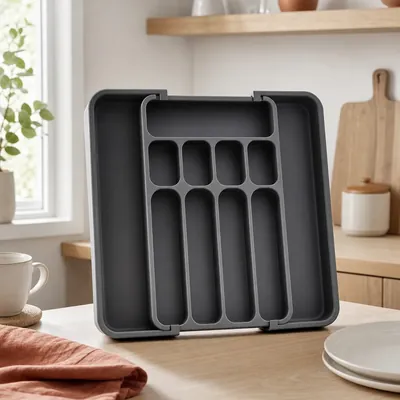
Aujen Silverware Drawer Organizer
- Pros: Slides the contents to you, so the deep back of the cabinet or drawer is finally usable.
- Pros: Compact enough for a small home and simple to set up; if the fit is wrong, it is easy to return.
- Con: Needs a level cabinet floor and the right interior width; measure before ordering.
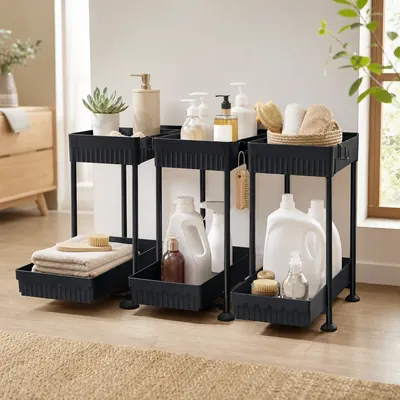
Sevenblue 3-Pack 2-Tier Under Sink Organizers with…
- Pros: Designed to fit around the pipes, the space most cabinets waste.
- Pros: Compact enough for a small home and simple to set up; if the fit is wrong, it is easy to return.
- Con: Measure the pipe position and the garbage disposal first; not every layout allows two tiers.
Quick comparison
| Option | Best for | Before buying |
|---|---|---|
| Best overall option | Best overall | Check fit and load rating |
| Flexible alternative | Best for flexibility | Check fit and load rating |
| Small-space option | Best for limited space | Check fit and load rating |
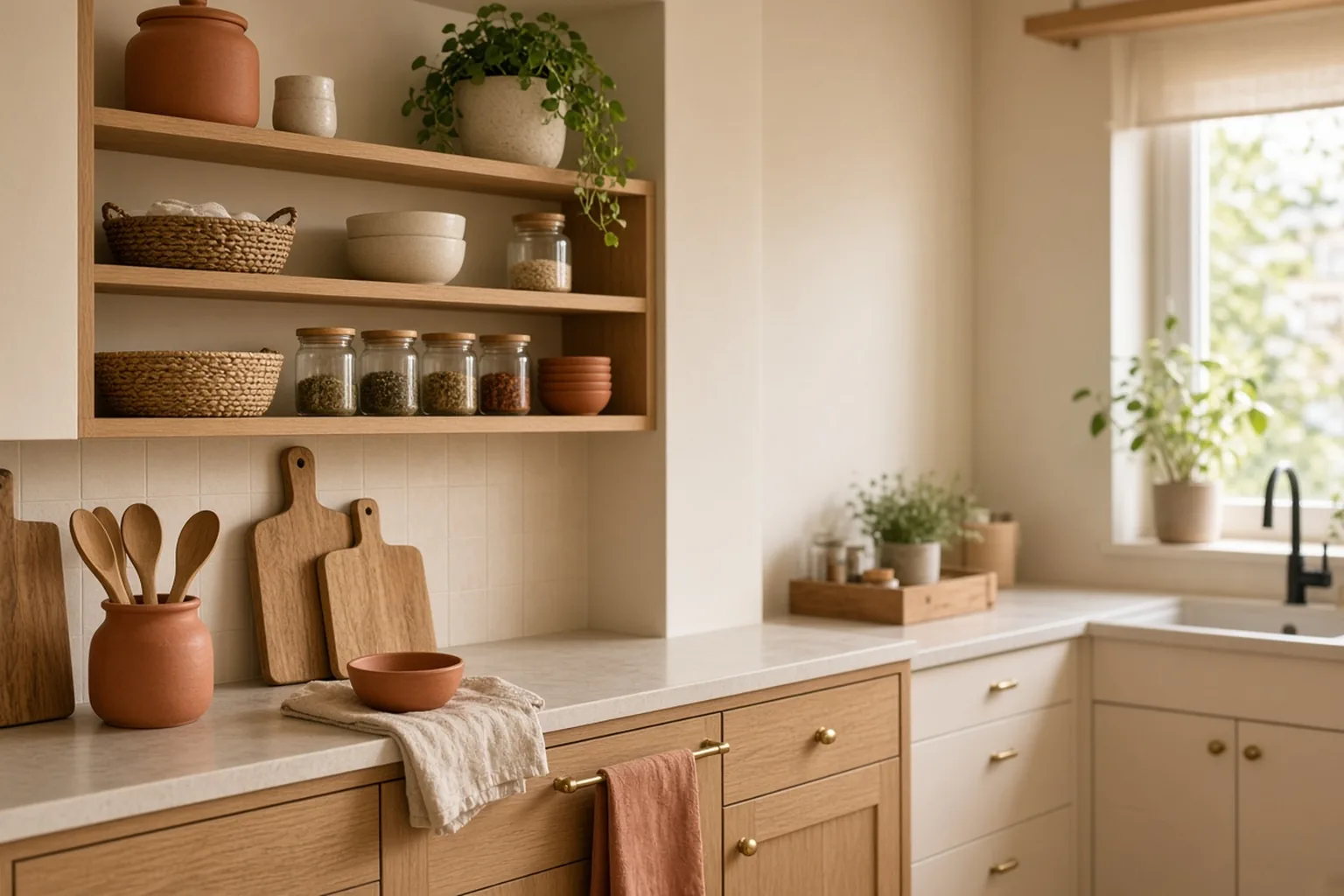
Empty one zone at a time
Do not empty the entire kitchen if you have nowhere to put the contents. Start with one drawer or cabinet. Remove duplicates, expired food, broken tools, and appliances you never use. Group what remains by task: coffee, cooking, baking, food storage, serving, and cleaning.
Keep the items used daily closest to the primary prep area. Store heavy appliances low and close to an outlet, but do not block ventilation. Rarely used serving pieces can go up high or in a dining-room cabinet. The goal is fewer steps, not a visually empty room.
See current options A label maker, narrow shelf risers, and a small turntable can help in a cramped kitchen. Use risers only when the cabinet has enough vertical clearance, and use turntables for bottles or condiments that otherwise disappear at the back.
Create work zones
Place knives, boards, and mixing tools near the prep counter. Keep pots, pans, and utensils near the cooktop. Store plates and glasses near the dishwasher or drying area. Put everyday food in a cabinet that does not require moving cookware. Even a one-wall kitchen can follow these zones from left to right.
Avoid storing a heavy appliance in the prep zone if you use the counter for chopping. A compact appliance garage can work, but only if it has ventilation and an accessible outlet. Otherwise, choose one appliance that earns permanent counter space and store the rest.
FAQ
How do I organize a small kitchen with no pantry?
Create a food zone in one cabinet, use a backstock limit, and add a narrow rolling cart or shelf only if it preserves the walking path. Keep daily foods visible and low.
What should stay on a small kitchen counter?
Only items used most days and safe in that location, such as a coffee maker or toaster. Everything else should have a cabinet, cart, or shelf home.
Are cabinet door organizers safe for renters?
Removable over-door or adhesive products can work, but check clearance, surface compatibility, and load limits. Ask before drilling into cabinets.
Keep reading
Related guides
Kitchen
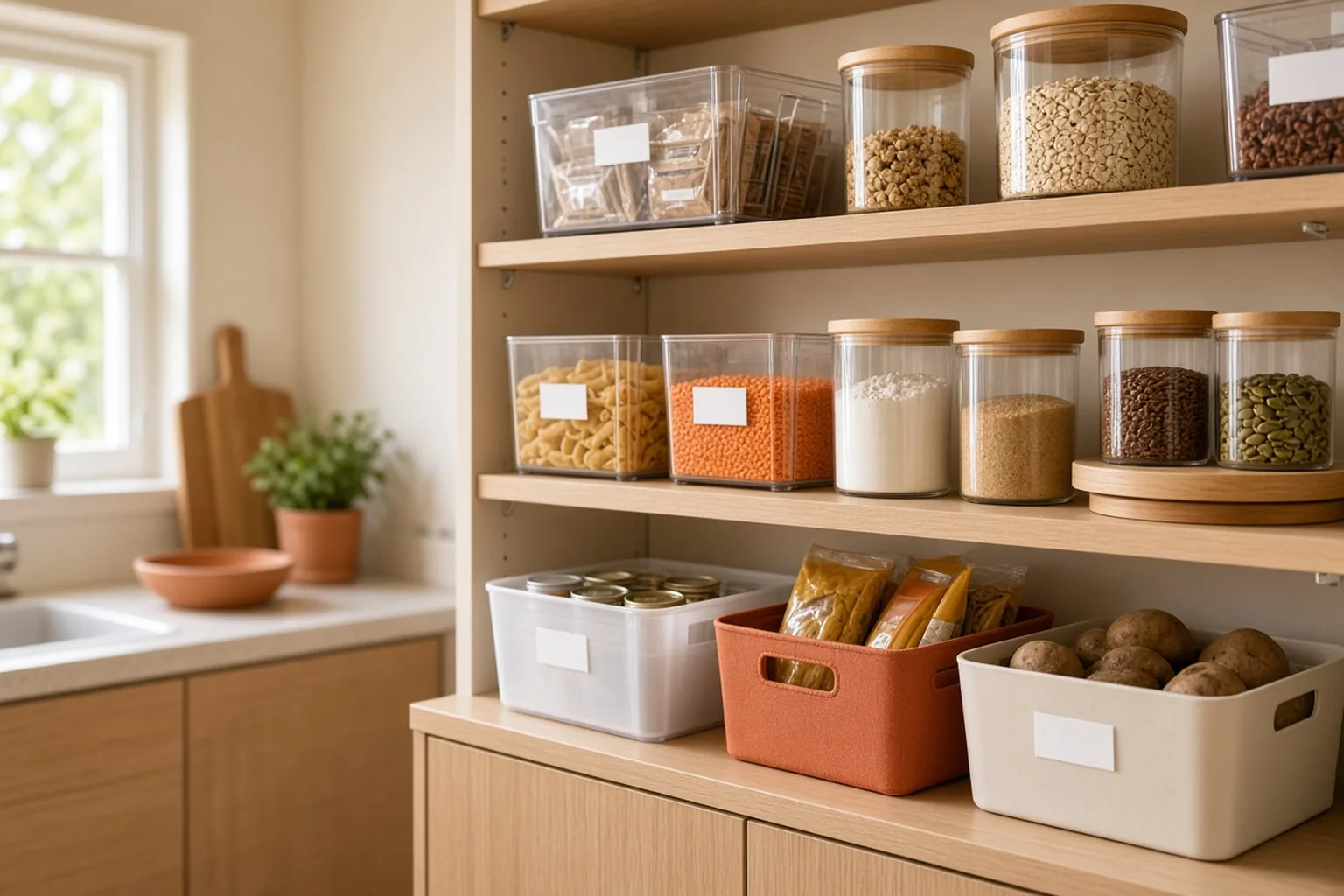
Pantry Organization Ideas on a Budget
A practical guide to budget pantry organization, including containers, risers, racks, and what to look for before buying.
Kitchen
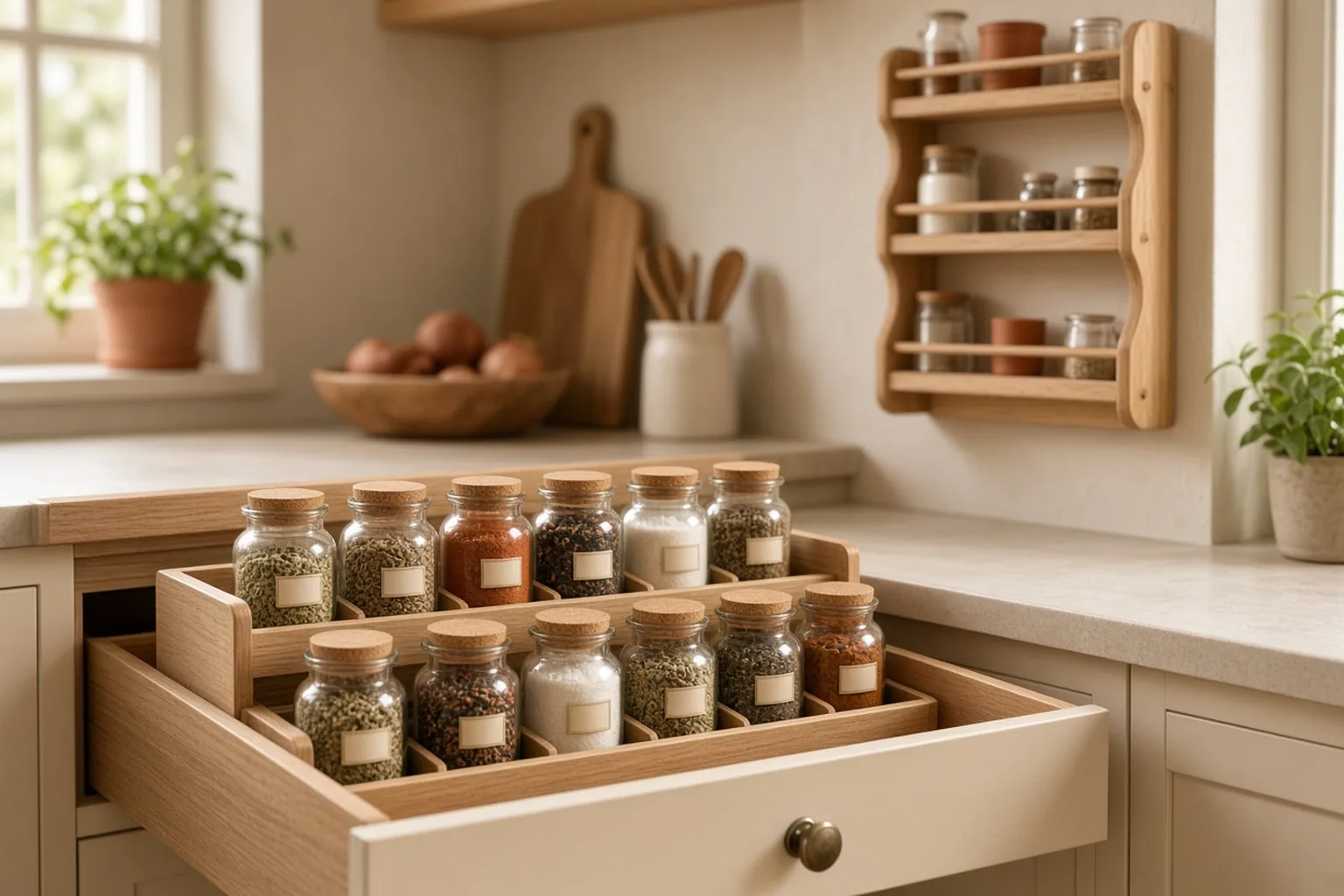
Spice Rack Organization: Wall, Drawer or Cabinet?
Compare wall, drawer, cabinet and tiered spice storage to choose an organized setup that fits your kitchen.
Kitchen
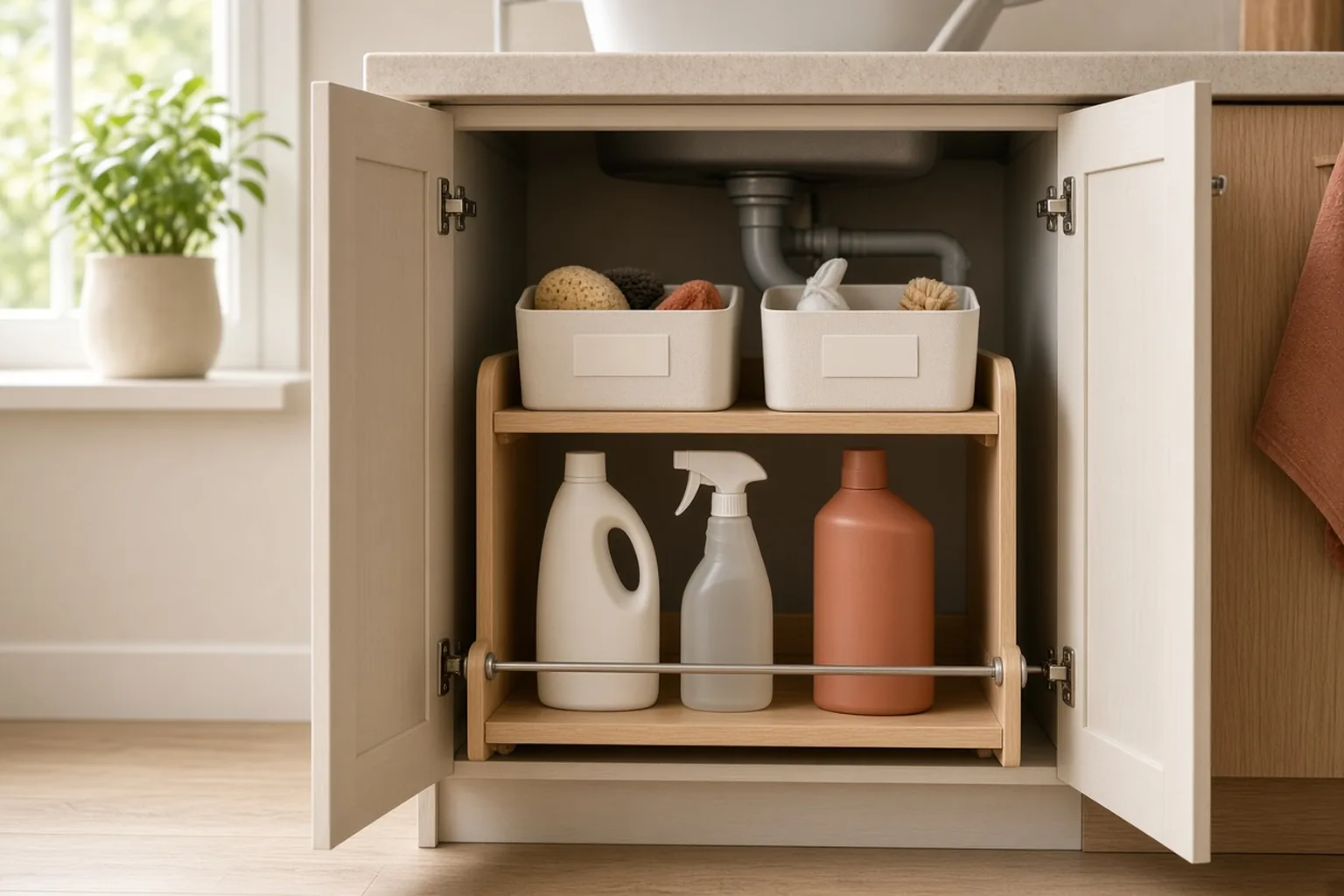
Under-Sink Storage Solutions That Actually Work
Compare under-sink storage types and learn what to measure, avoid, and prioritize for a cleaner, more usable kitchen cabinet.