Apartment living · Field guide
How to Create Storage in a Studio Apartment
Create storage in a studio apartment with zones, dual-purpose furniture, vertical space, and a routine that controls visual clutter.
Updated August 2026
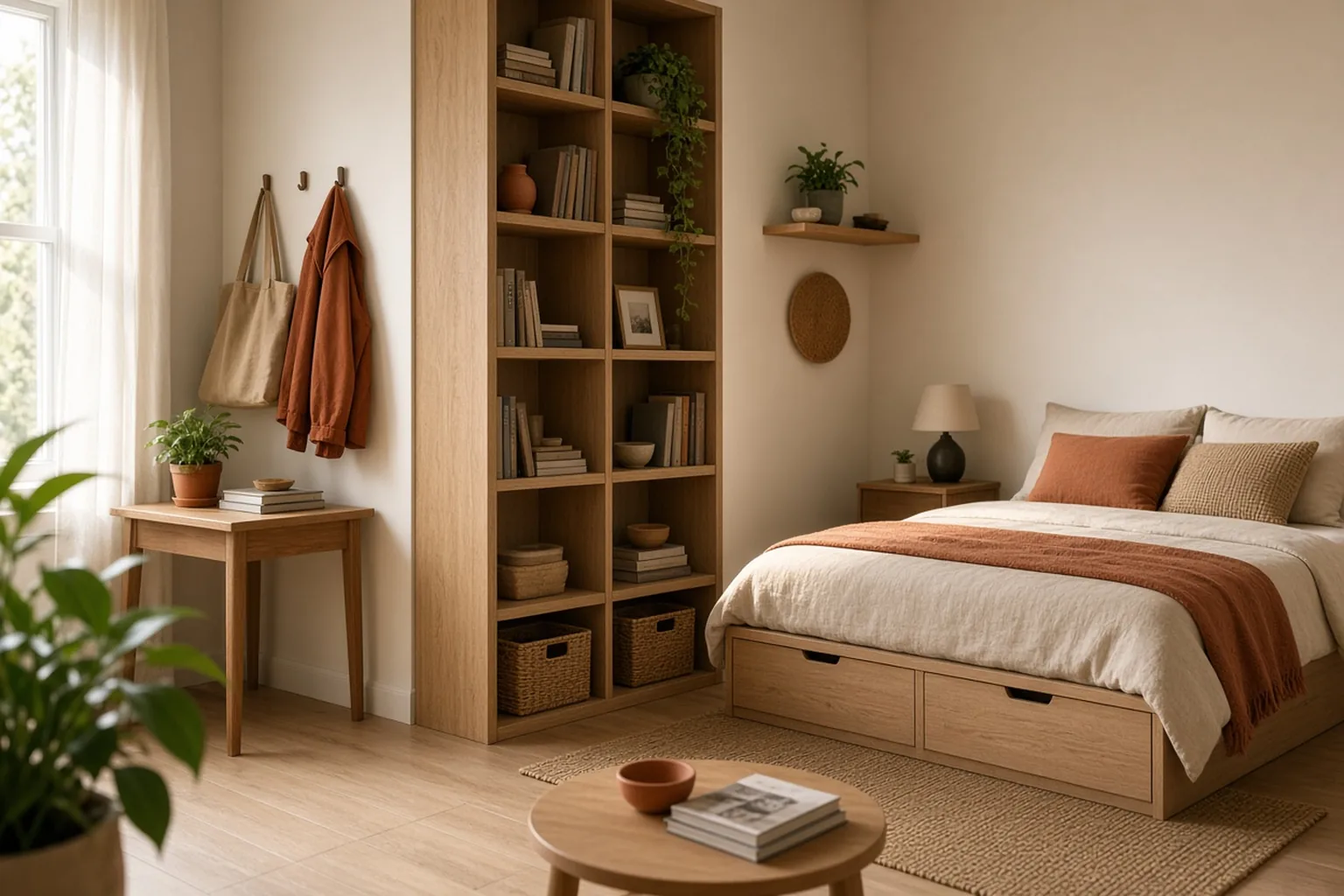
Quick answer: Create storage in a studio apartment with zones, dual-purpose furniture, vertical space, and a routine that controls visual clutter.
Top picks at a glance
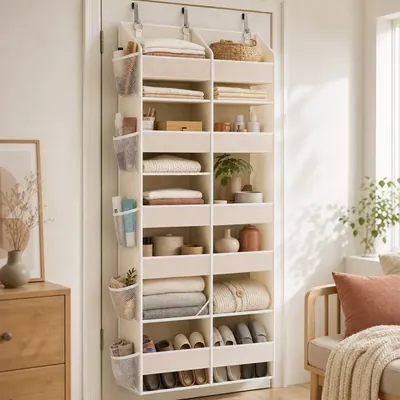
Ofiray-home Over the Door Organizer 5 Tiers,Extra Large…
- Pros: No drilling and no floor space: it uses a door that was doing nothing.
- Pros: Compact enough for a small home and simple to set up; if the fit is wrong, it is easy to return.
- Con: Check the top-of-door clearance and the door trim; thick hooks can stop a door from closing.
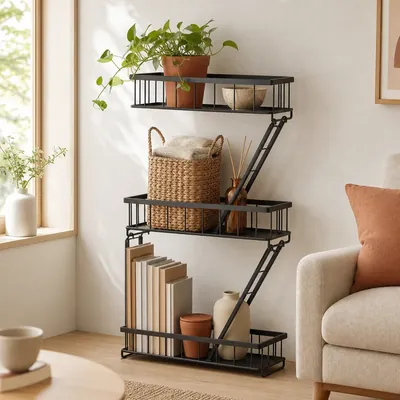
SweetSage Fire Escape Wall Shelf
- Pros: Vertical storage costs no floor space, which is the scarce thing in a small home.
- Pros: Compact enough for a small home and simple to set up; if the fit is wrong, it is easy to return.
- Con: Mount into studs or use rated anchors; check the load rating per shelf.
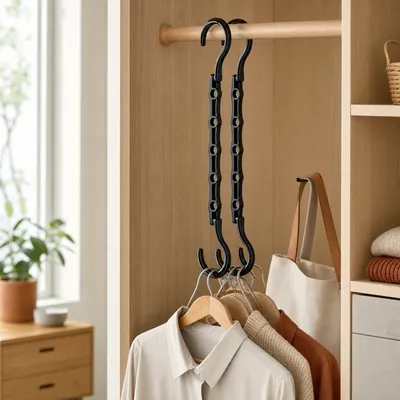
AMKUFO 6 Pack-Closet-Organizers-and-Storage
- Pros: Modular sizes stack and label, so the same bins work in any room.
- Pros: Compact enough for a small home and simple to set up; if the fit is wrong, it is easy to return.
- Con: Measure the shelf depth and count the lids; opaque bins need labels to stay useful.
Quick comparison
| Option | Best for | Before buying |
|---|---|---|
| Best overall option | Best overall | Check fit and load rating |
| Flexible alternative | Best for flexibility | Check fit and load rating |
| Small-space option | Best for limited space | Check fit and load rating |
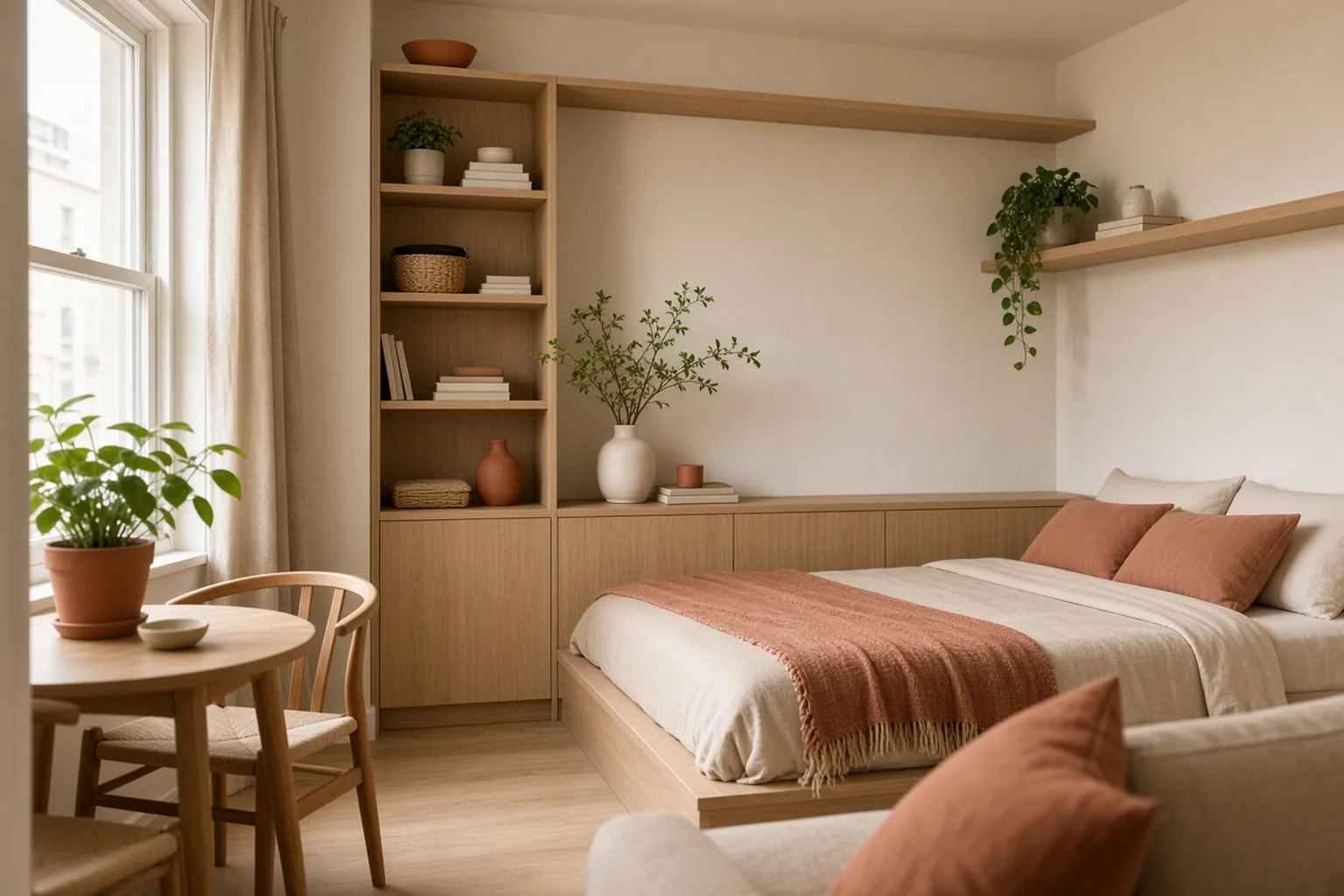
Divide the studio into practical zones
Mark zones for sleep, living, work, cooking, entry, and clothing. They can overlap, but each should have a storage boundary. A rug, bookcase, curtain, or change in lighting can signal a zone without building a wall. Keep the center flexible for movement and avoid blocking windows, radiators, vents, or the exit.
Measure the apartment’s narrowest paths and draw furniture at its full depth, including open doors and drawers. A storage piece that fits against a wall may block the only route between the kitchen and bathroom. Leave room to clean behind and under furniture.
Start with a belongings audit
Sort by function rather than room: clothing, documents, kitchen equipment, toiletries, hobbies, electronics, and sentimental items. Remove duplicates and decide which categories need daily access. Seasonal and rare-use items can share high shelves or off-site storage; daily basics should not be buried to make the room look tidy.
See current options Uniform hangers, lidded under-bed bins, and a narrow rolling cart are useful categories for a studio. Select pieces that fit the measured space and can move if the layout changes.
FAQ
How do I make a studio apartment feel less cluttered?
Use clear zones, closed storage for visual noise, vertical furniture along the perimeter, and a limit for each category. Keep the main path and some walls clear.
What furniture saves the most space in a studio?
Pieces with reliable second functions, such as a bed with drawers, storage ottoman, or compact desk-dining table. Choose based on everyday use rather than advertised features.
Where should seasonal items go in a studio?
Use labeled under-bed bins, high shelves, or approved off-site storage. Keep containers light enough to lift safely and protect clothing from moisture.
Keep reading
Related guides
Apartment living
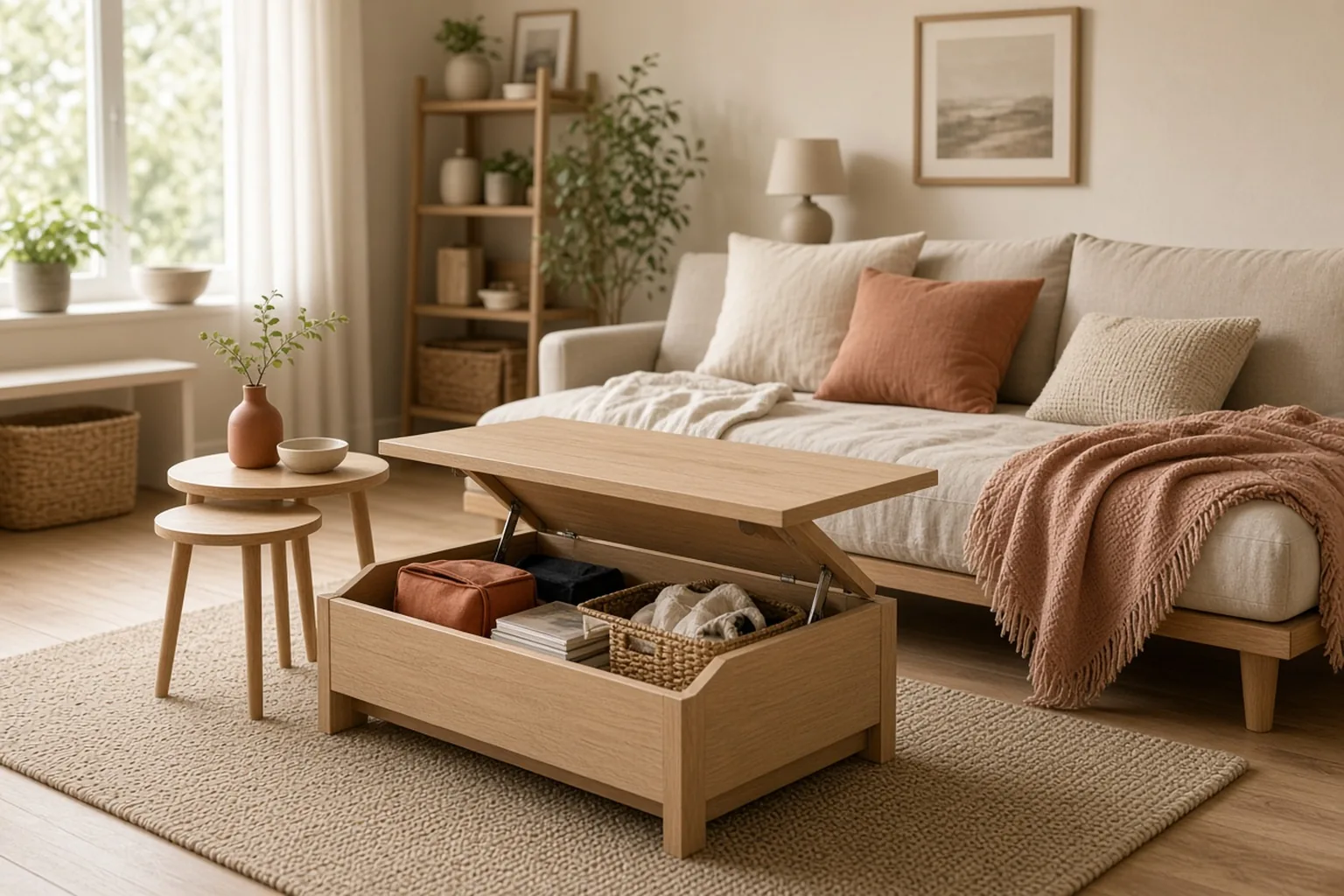
Multi-Functional Furniture for Small Spaces (Roundup)
A practical guide to multi-functional furniture for small spaces, including what to look for and which formats suit different homes.
Apartment living
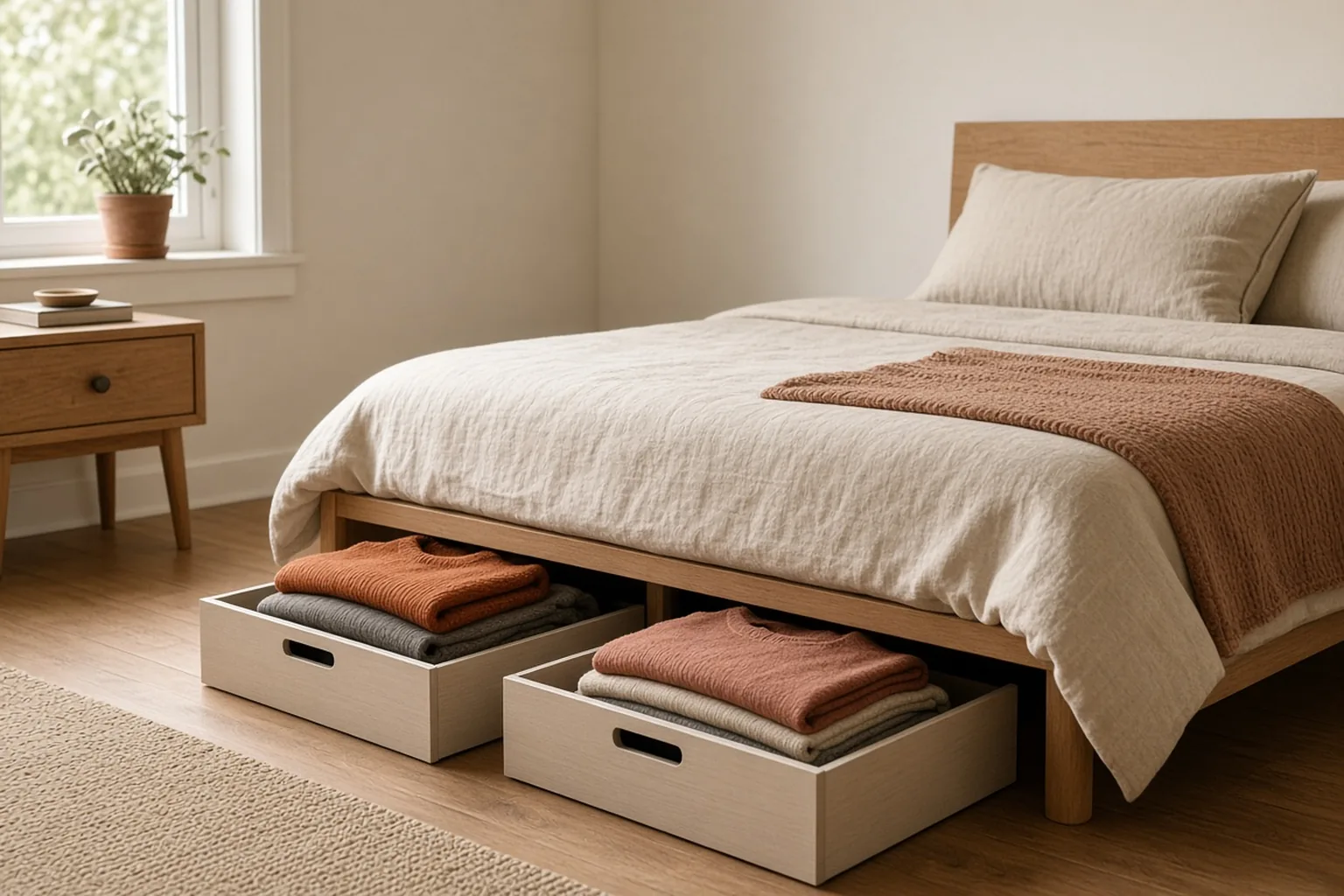
Under-Bed Storage Solutions Buying Guide
Compare under-bed storage types and learn what to look for when choosing containers, drawers, bags, and organizers for a small space.
Apartment living
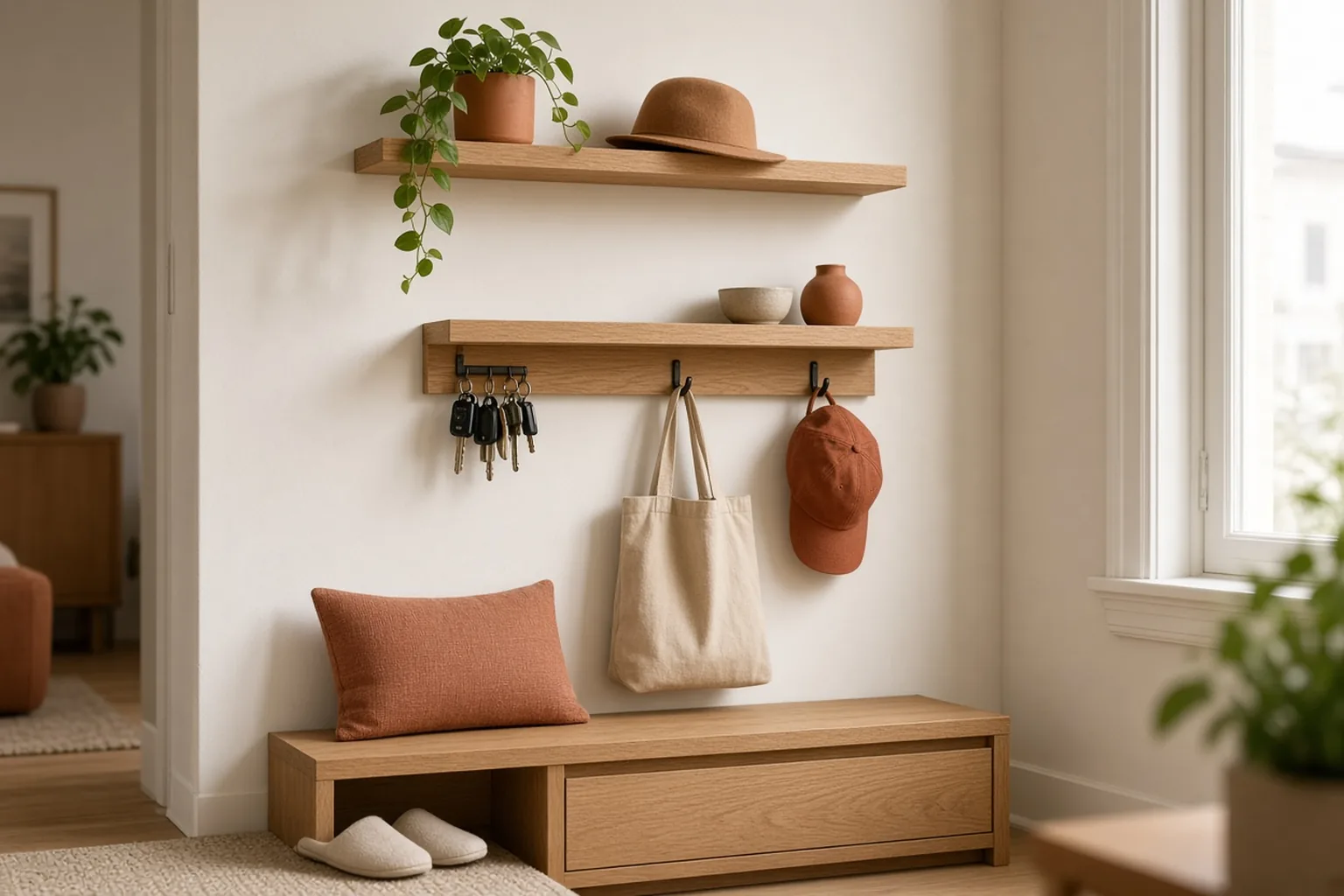
Wall-Mounted Storage Ideas for Renters (No-Drill Options)
Explore no-drill wall-mounted storage ideas for renters, plus practical tips for choosing secure, removable solutions.