Back to school · Small-space field guide
Dorm Room Organization Ideas for Small Spaces
A dorm room works best when every item has a reachable home—and when that home can change as the semester does.
Updated August 2026
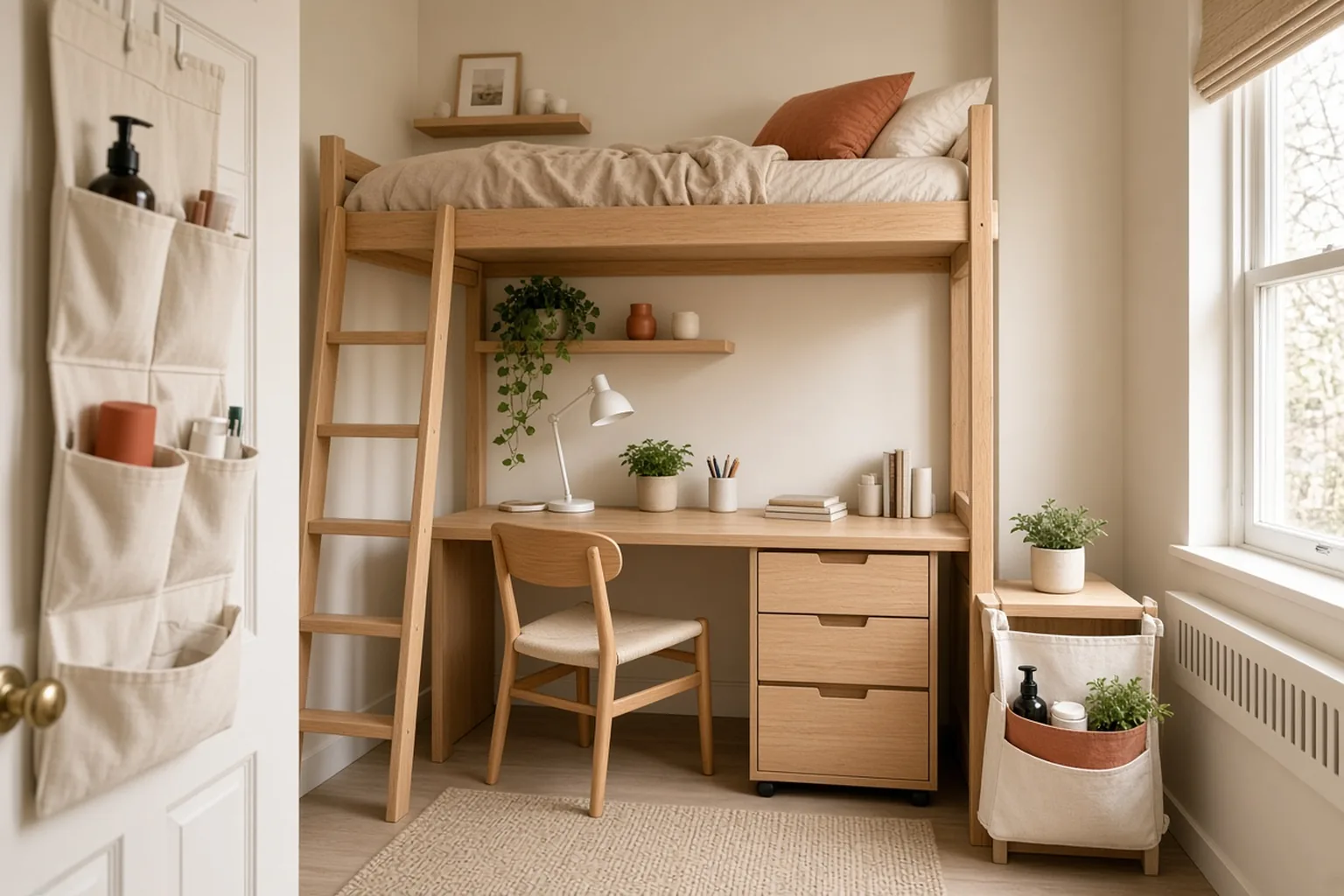
Quick answer: Start with the bed, desk, and entry door as three separate zones. Put infrequently used items under the bed, daily supplies in open containers near the desk, and shoes or laundry close to the door. Measure first, then choose collapsible or low-profile storage that can move with you.
Three useful products for a dorm room
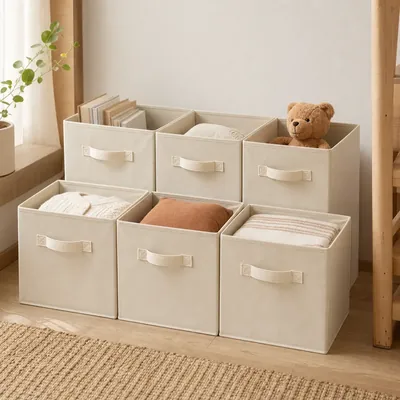
Collapsible fabric storage cubes
- Pros: Fold flat when you do not need them; handles make shelf or closet access easier.
- Pros: Soft sides are forgiving in tight shared rooms.
- Con: They are not ideal for damp laundry or very heavy books.
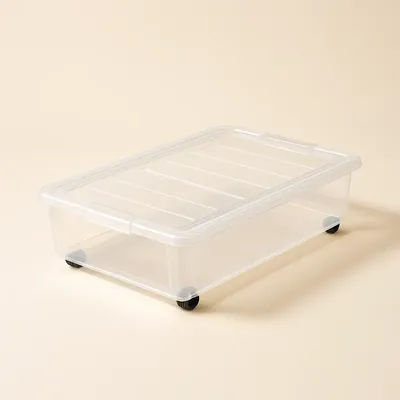
Low under-bed bins with lids
- Pros: Keeps spare bedding, winter layers, and rarely used gear out of the traffic lane.
- Pros: A lid helps protect contents from dust.
- Con: Confirm bed clearance and measure the full pull-out path.
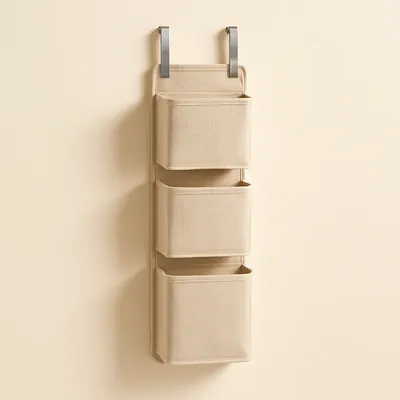
Slim over-door organizer
- Pros: Uses often-wasted vertical space for toiletries, chargers, or small accessories.
- Pros: Pockets keep small items visible.
- Con: Check door clearance and residence-hall rules before hanging one.
Plan the room in zones
Before unpacking, measure the space under the bed, the desk width, closet or wardrobe depth, and the distance behind the door. Note outlets, vents, sprinklers, and any furniture that cannot move. A quick phone photo with measurements saved in the notes app is useful when shopping.
Give each zone one job. The sleep zone gets bedding and a small bedside landing spot. The study zone gets only current school supplies, headphones, and a lamp. The entry zone handles shoes, a hamper, keys, and the bag you carry every day. This separation prevents the desk from becoming a catch-all.
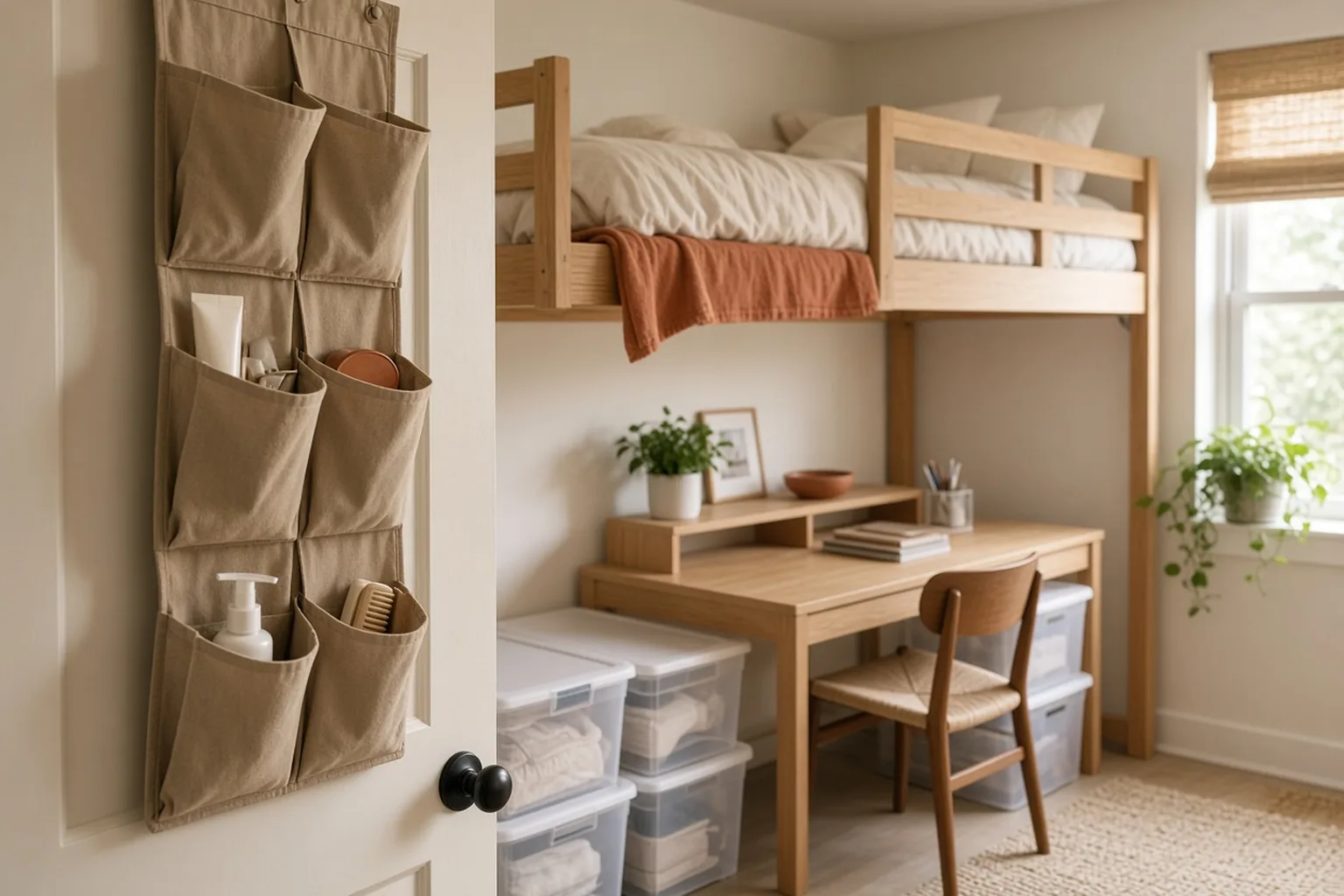
Use containers by frequency
Keep daily items open and between waist and eye level. Put weekly items in handled cubes or drawers. Reserve lidded under-bed storage for seasonal or backup items. The goal is not maximum capacity; it is fewer steps between needing something and putting it away.
For a shared room, label only the categories that might be confused: cables, toiletries, cleaning supplies, and spare linens. Labels should describe the contents, not the person. That makes roommate coordination easier without turning the room into a filing cabinet.
Make the reset small enough to repeat
At the end of the day, return the desk surface to one clear working area, put laundry in the hamper, and move shoes back to the entry zone. Once a week, pull out one under-bed bin and check that nothing damp or unneeded has slipped inside. A five-minute reset beats a full-room rescue on Sunday night.
What not to buy first
Wait before buying a large cube shelf, a second hamper, or matching containers for every category. Dorm furniture and room dimensions vary, and many campuses have restrictions on wall mounting or extra appliances. Start with portable basics, live in the room for a week, and fill the actual gaps.
FAQ
How do I organize a dorm room with no closet?
Use a compact hanging organizer or freestanding rack if permitted, then prioritize under-bed bins and handled cubes for folded clothing. Keep the most-used outfits within easy reach.
Are fabric cubes good for dorm rooms?
Yes, for dry clothing, accessories, and light supplies. They are especially useful when they collapse for move-out. Use ventilated or washable options for anything that may be damp.
How much storage should I bring?
Bring a small starter set: one under-bed solution, a few flexible cubes, and one vertical organizer if allowed. Measure the room and add only what solves a demonstrated problem.
Keep reading
Related guides
Back to school
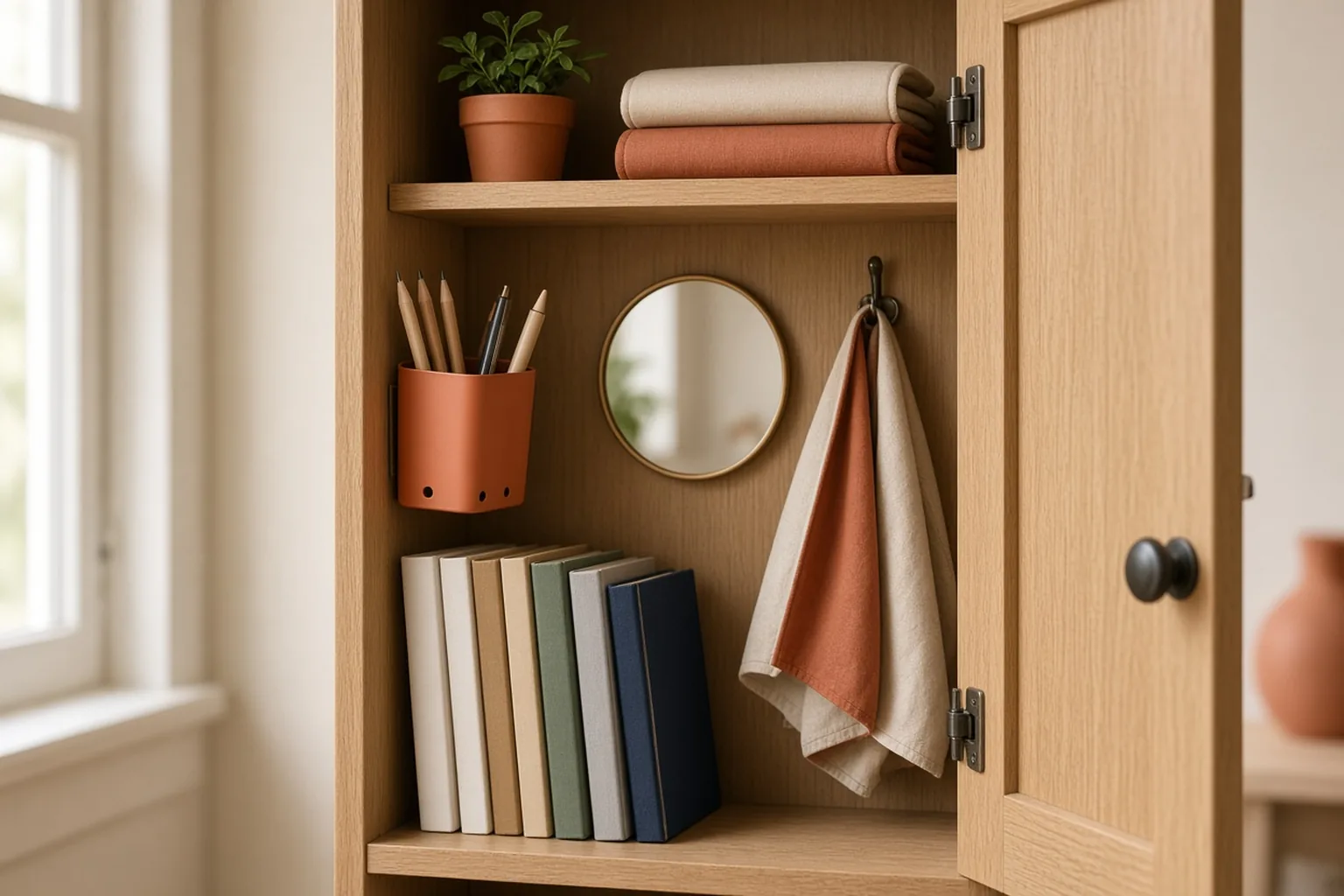
Locker Organization Ideas That Actually Fit
Make a school locker easier to use with slim shelves, magnetic storage, vertical hooks, and a no-crush layout that protects usable space.
Back to school
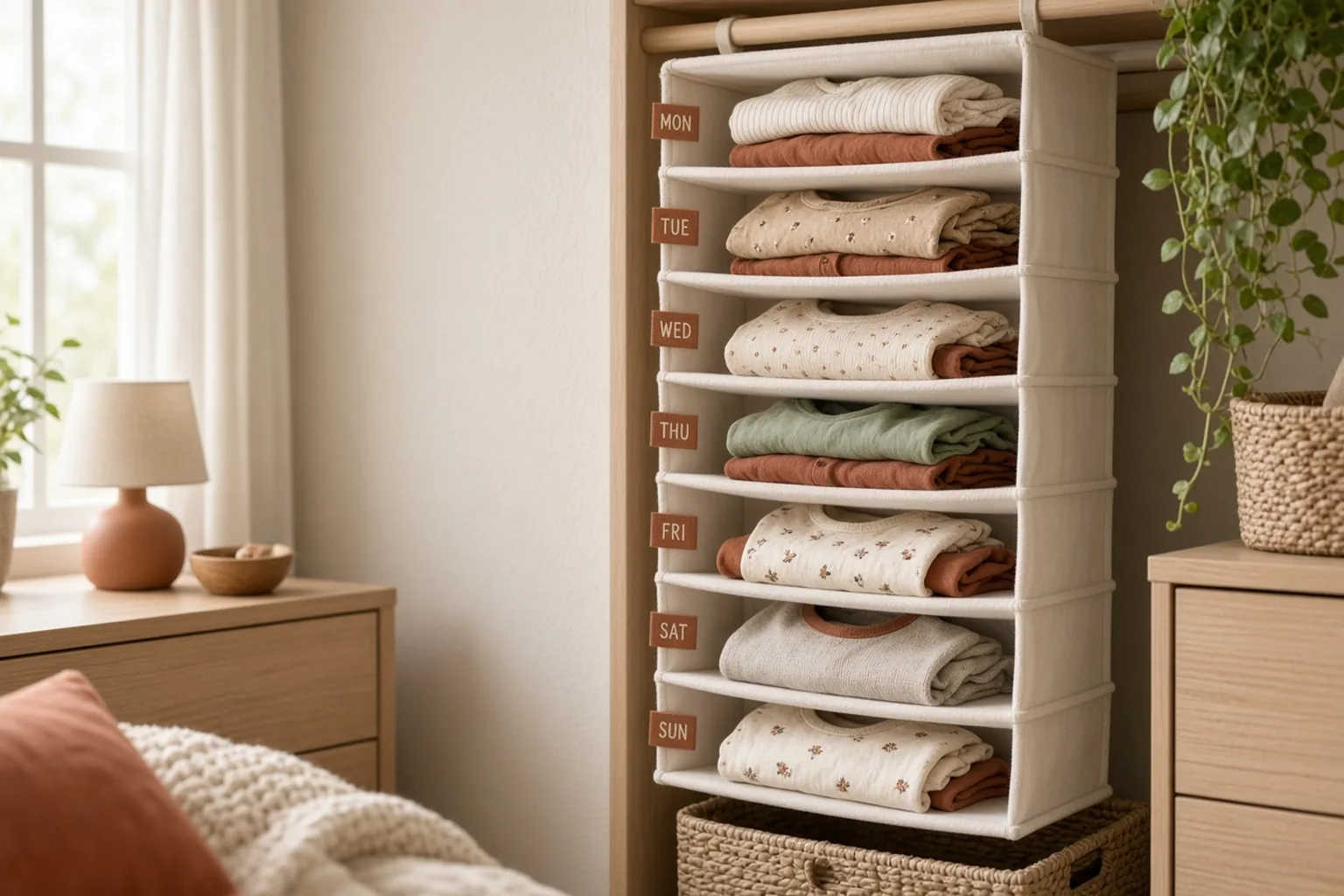
Best Weekly Clothes Organizers for Kids (2026 Back-to-School)
Compare 3 weekly clothes organizers for kids' closets for the back-to-school routine: price, rating, capacity, fit, and what to check before buying.
Back to school
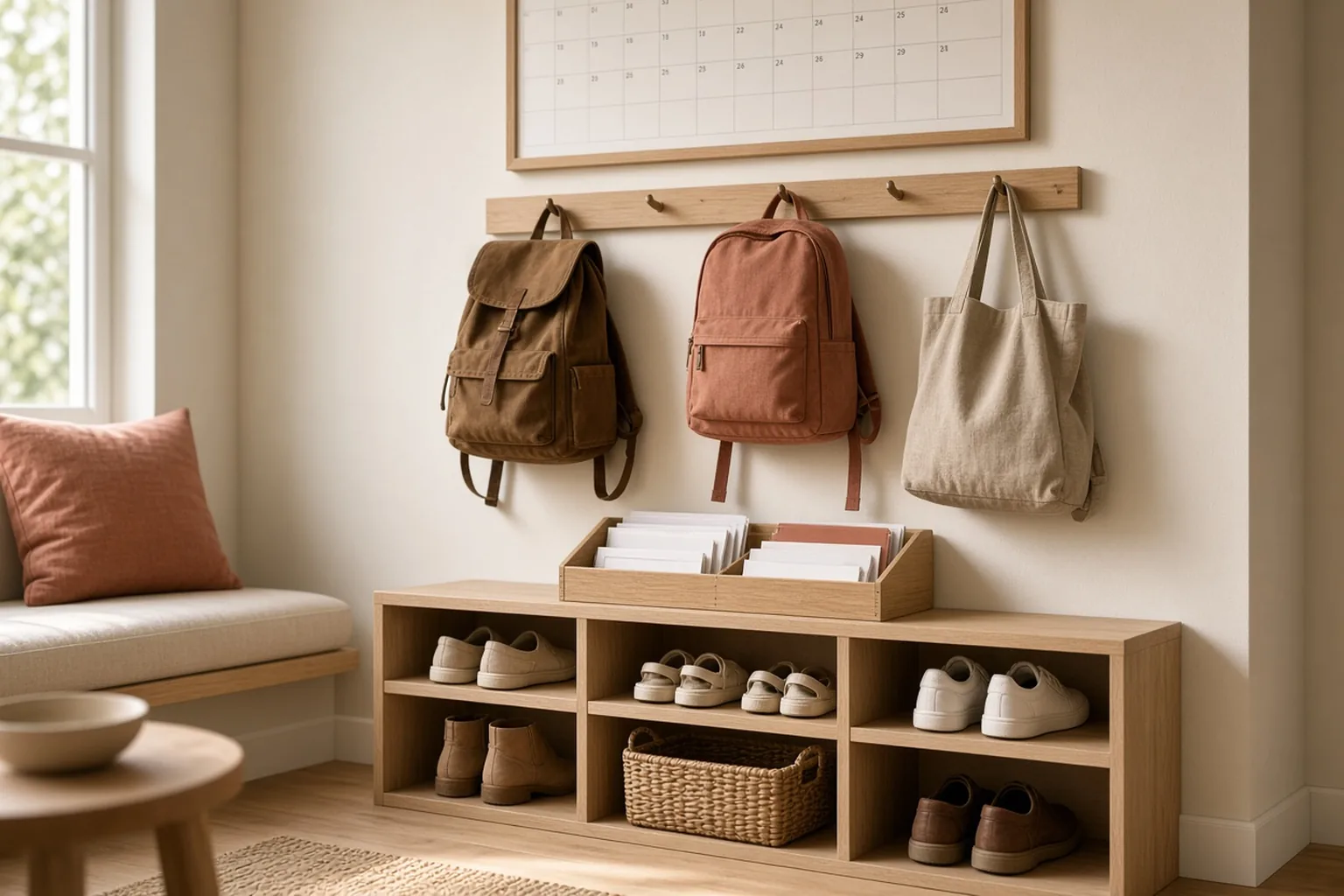
Back-to-School Home Organization Checklist
A practical back-to-school home organization checklist for an entryway, homework station, lunch zone, laundry, and school papers.