Back to school · Locker guide
Locker Organization Ideas That Actually Fit
A locker only feels organized when books, supplies, and personal items stay visible without taking over the door or floor.
Updated August 2026
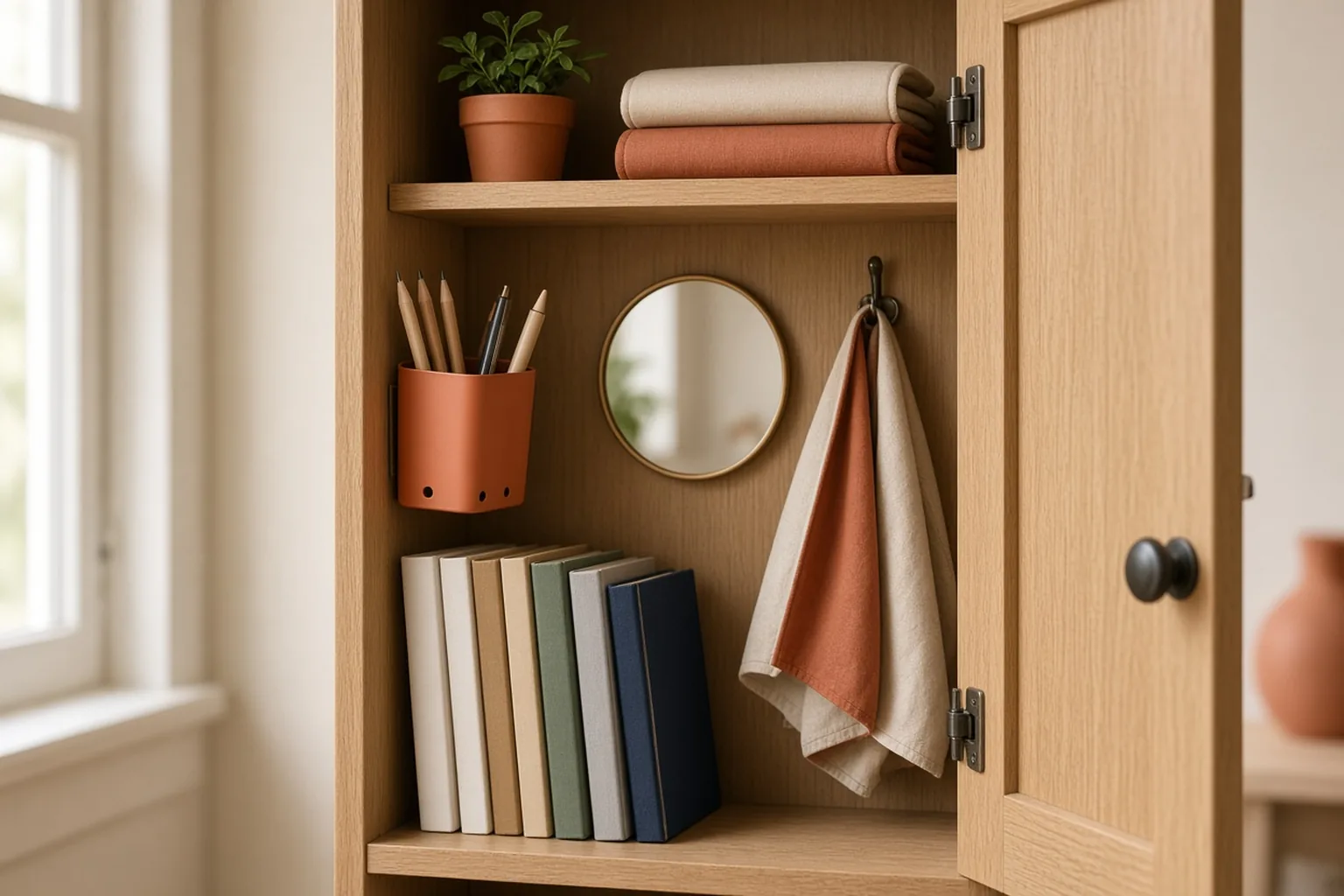
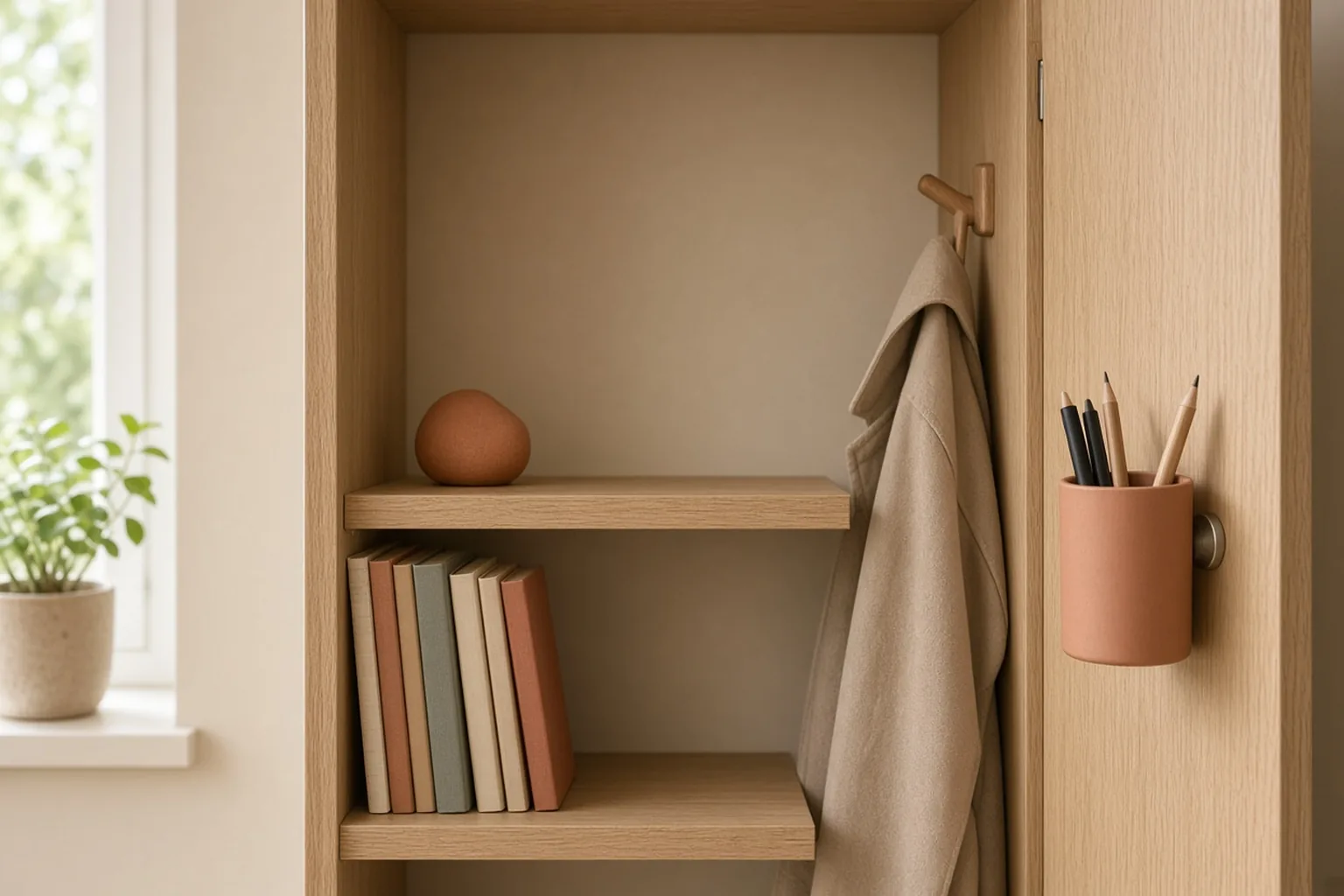
Quick answer: Measure the locker before buying accessories, then use one slim shelf to create levels, one magnetic or removable container for small supplies, and one vertical hook for a bag or lanyard. Keep the center path open so the combination lock and books remain easy to reach.
Three locker-friendly products to compare
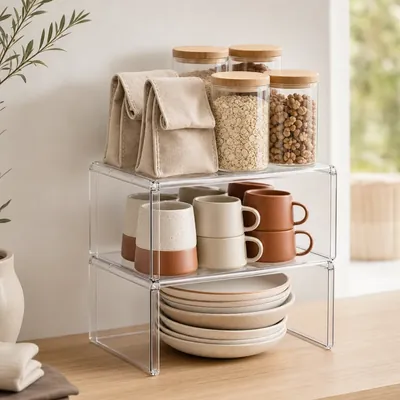
Slim locker shelf riser
- Pros: Turns one tall compartment into two reachable levels for books or a lunch container.
- Pros: A rigid shelf keeps items from collapsing into a pile.
- Con: Measure both width and door clearance; a shelf that is too wide will waste space.
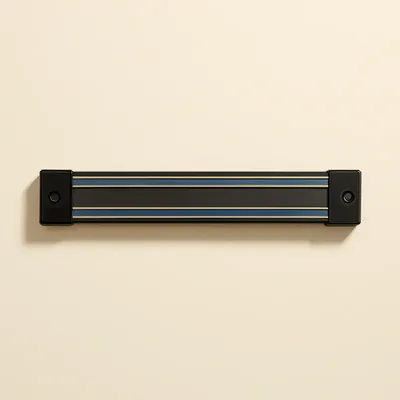
Magnetic pencil cup or mini bin
- Pros: Keeps pencils, earbuds, or a calculator visible and off the locker floor.
- Pros: Magnetic storage can move as the layout changes.
- Con: Confirm the locker is magnetic and remove it before school rules or cleaning require it.
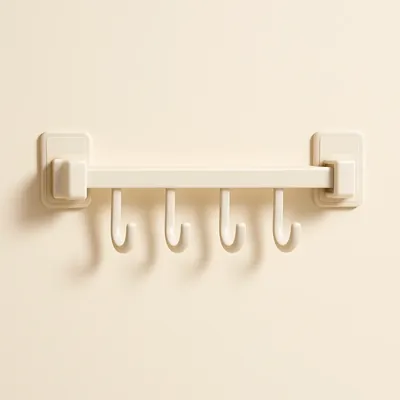
Removable locker hook
- Pros: Lifts a lanyard, small bag, or gym clothes above books.
- Pros: Keeps one frequently used item easy to grab.
- Con: Avoid adhesive products unless the school permits them; a removable over-the-door or magnetic style may be safer.
Measure the locker first
Record the inside width, depth, height, shelf lip, and door clearance. Also note whether the metal is magnetic and whether the school allows accessories, adhesives, or shelves. Product dimensions on a listing can describe the outside, so leave a little tolerance instead of buying to the exact measurement.
Take a photo with the tape measure visible. It makes comparisons faster and prevents the classic mistake of ordering an organizer that fits the locker but blocks the door or combination dial.
Use a simple top-to-bottom layout
Put light, grab-first items at the top: a pencil cup, tissues, or a small emergency kit. Place the shelf around the middle, where books can stand or a lunch container can sit. Keep the bottom for the heaviest item you carry. Use the door only for flat, lightweight supplies so it still closes cleanly.
Store books vertically only if they can slide out without emptying the locker. If a stack is unavoidable, place today’s classes on top and keep one narrow gap for your hand. A locker is not a miniature storage room; it is a short-term transfer point between classes.
Prevent the clutter pile
At the end of each day, remove wrappers, old papers, and anything that belongs at home. Keep a small “take home” folder rather than loose sheets. Once a week, check the bottom corners for leaking bottles and wipe the surface if needed. A system that protects the floor and door is more useful than one that holds the most stuff.
Locker mistakes to skip
- Do not cover vents, hinges, the lock, or the door’s closing path.
- Do not rely on a deep bin for items used between every class.
- Do not use permanent adhesive or drilling in a school locker.
- Do not fill every inch; a little empty space is what makes retrieval possible.
FAQ
What fits best in a small school locker?
Slim shelves, small magnetic cups, flat folders, and one lightweight hook usually use the space more efficiently than deep boxes. Measure first and keep the lock and vents clear.
Can I use adhesive hooks in a locker?
Only if the school permits them and the surface is suitable. Magnetic or removable options are often easier to remove, but they still need to stay within school rules.
How do I keep a locker from getting messy?
Limit it to current classes and daily essentials, keep a take-home folder, and do a two-minute clear-out at the end of the week. Empty space is part of the organization.
Keep reading
Related guides
Back to school
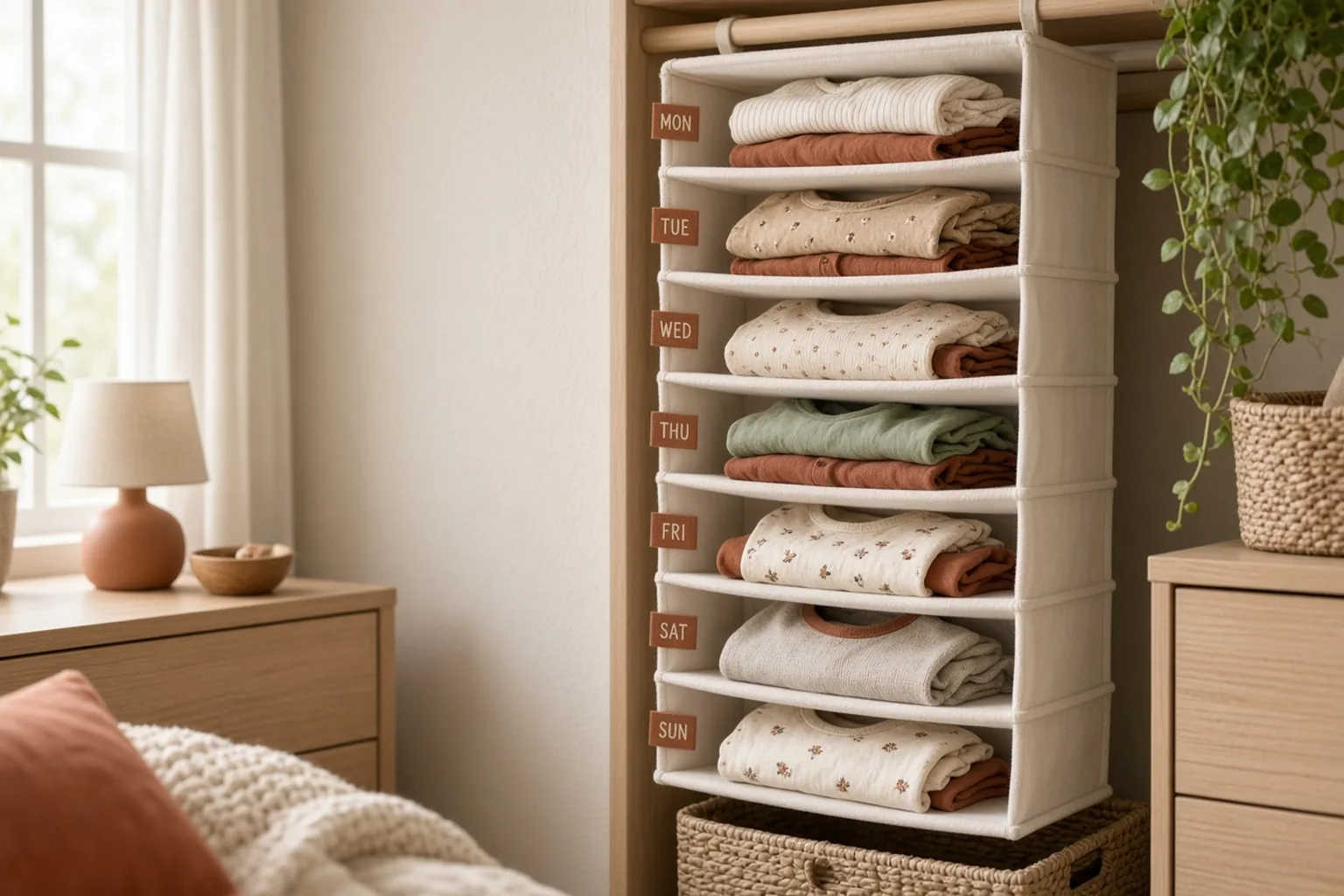
Best Weekly Clothes Organizers for Kids (2026 Back-to-School)
Compare 3 weekly clothes organizers for kids' closets for the back-to-school routine: price, rating, capacity, fit, and what to check before buying.
Back to school
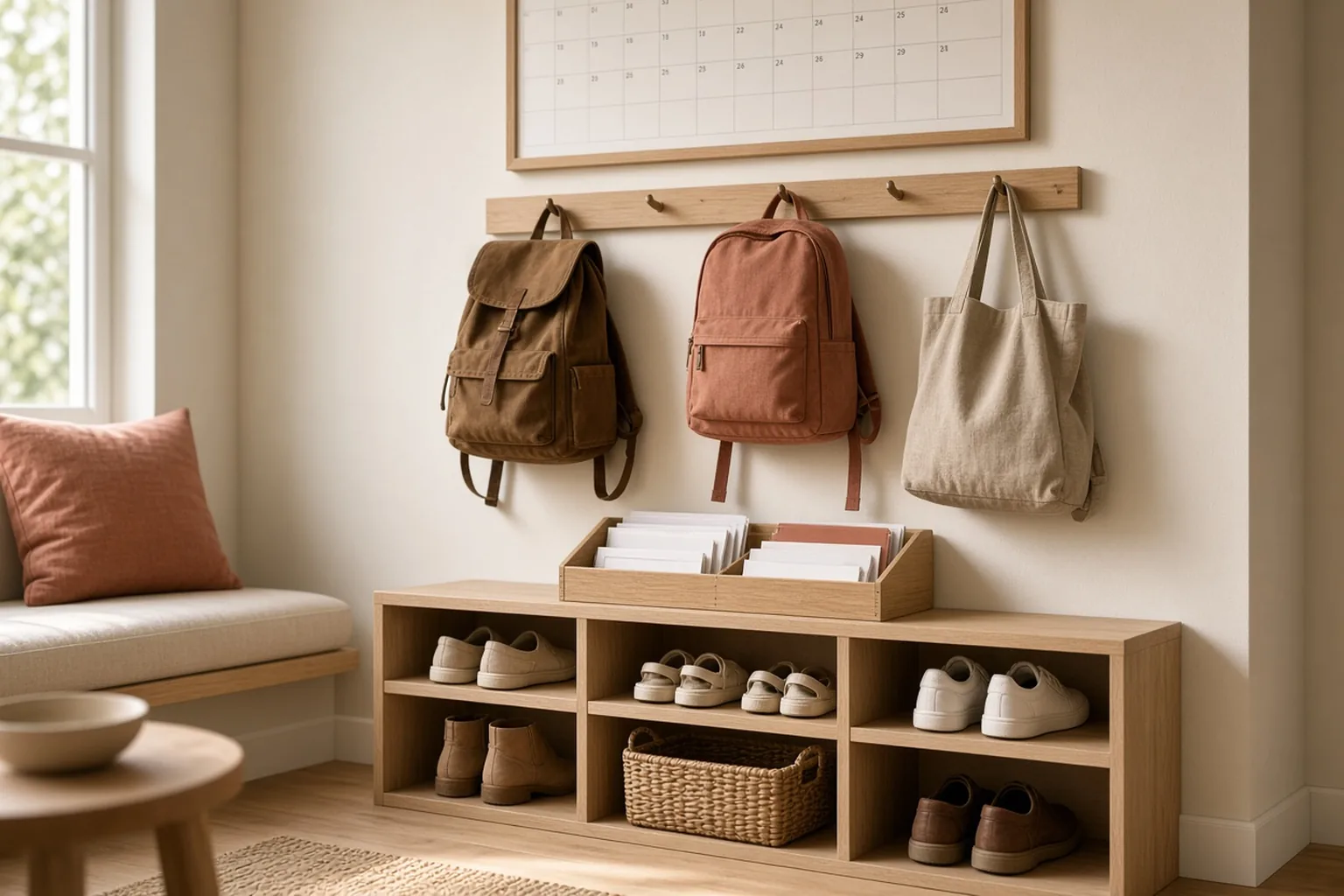
Back-to-School Home Organization Checklist
A practical back-to-school home organization checklist for an entryway, homework station, lunch zone, laundry, and school papers.
Back to school
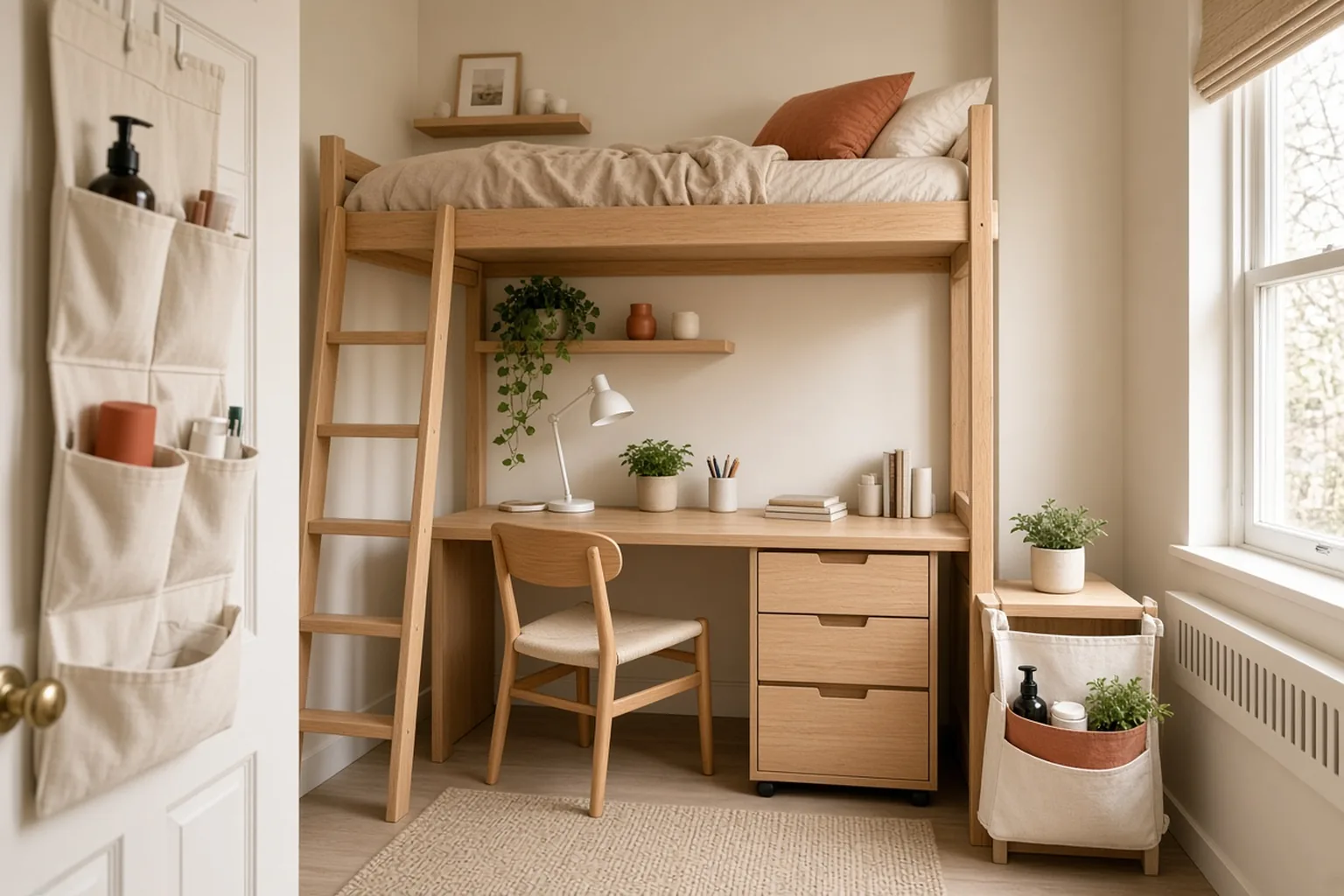
Dorm Room Organization Ideas for Small Spaces
Make a small dorm room easier to live in with under-bed storage, collapsible cubes, vertical zones, and a low-effort reset routine.